Jan 1: Happy New Year!
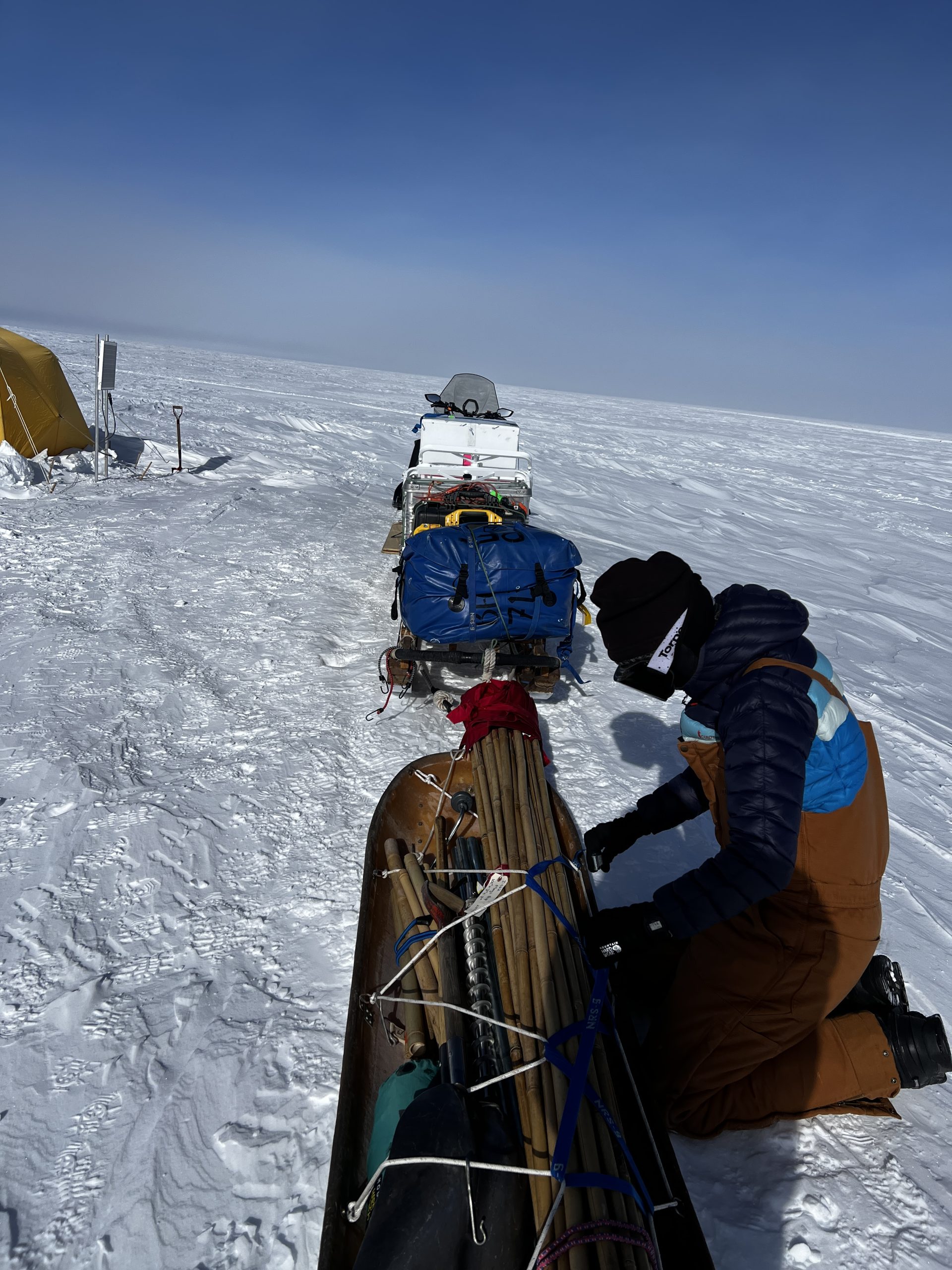
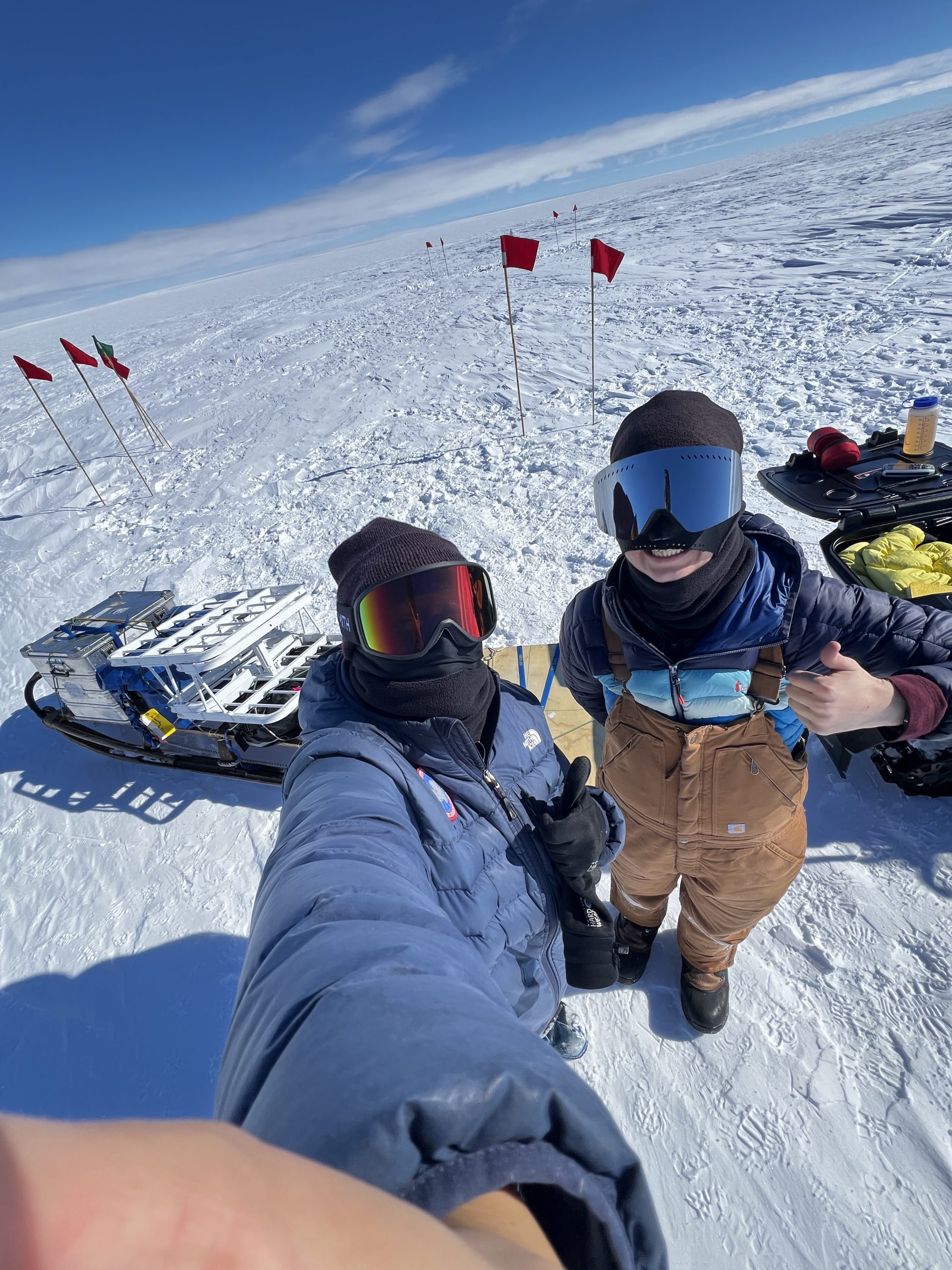
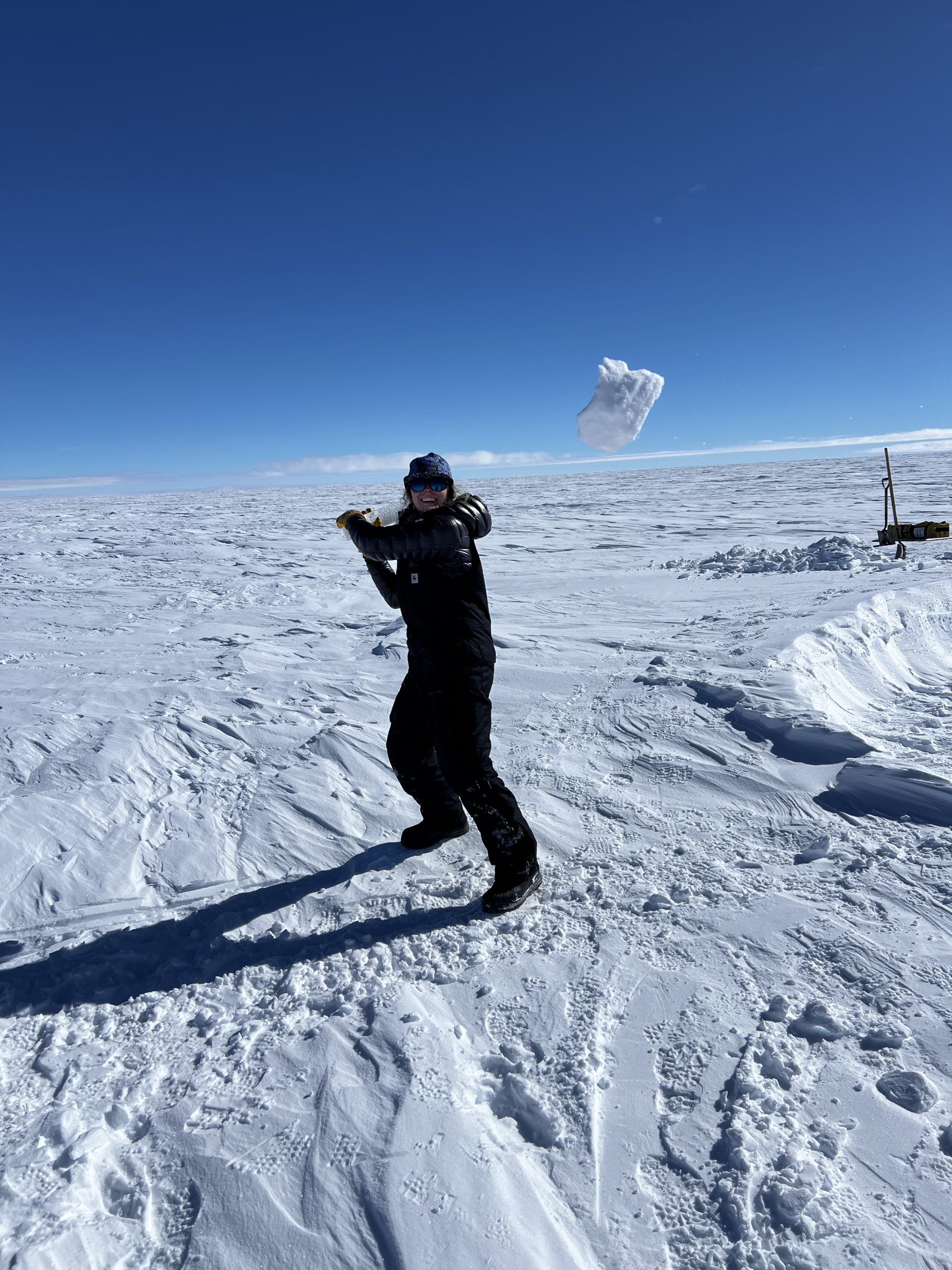
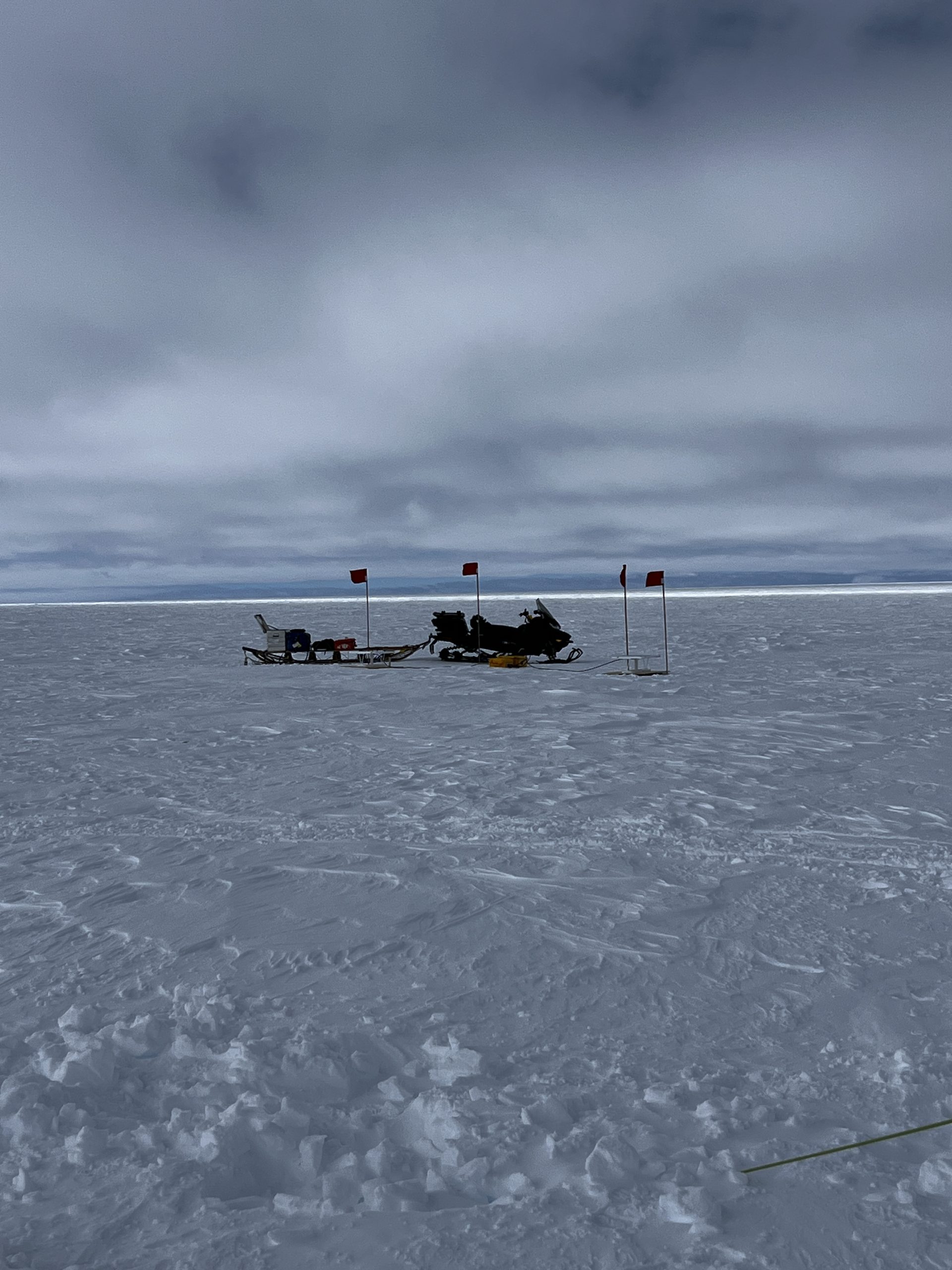
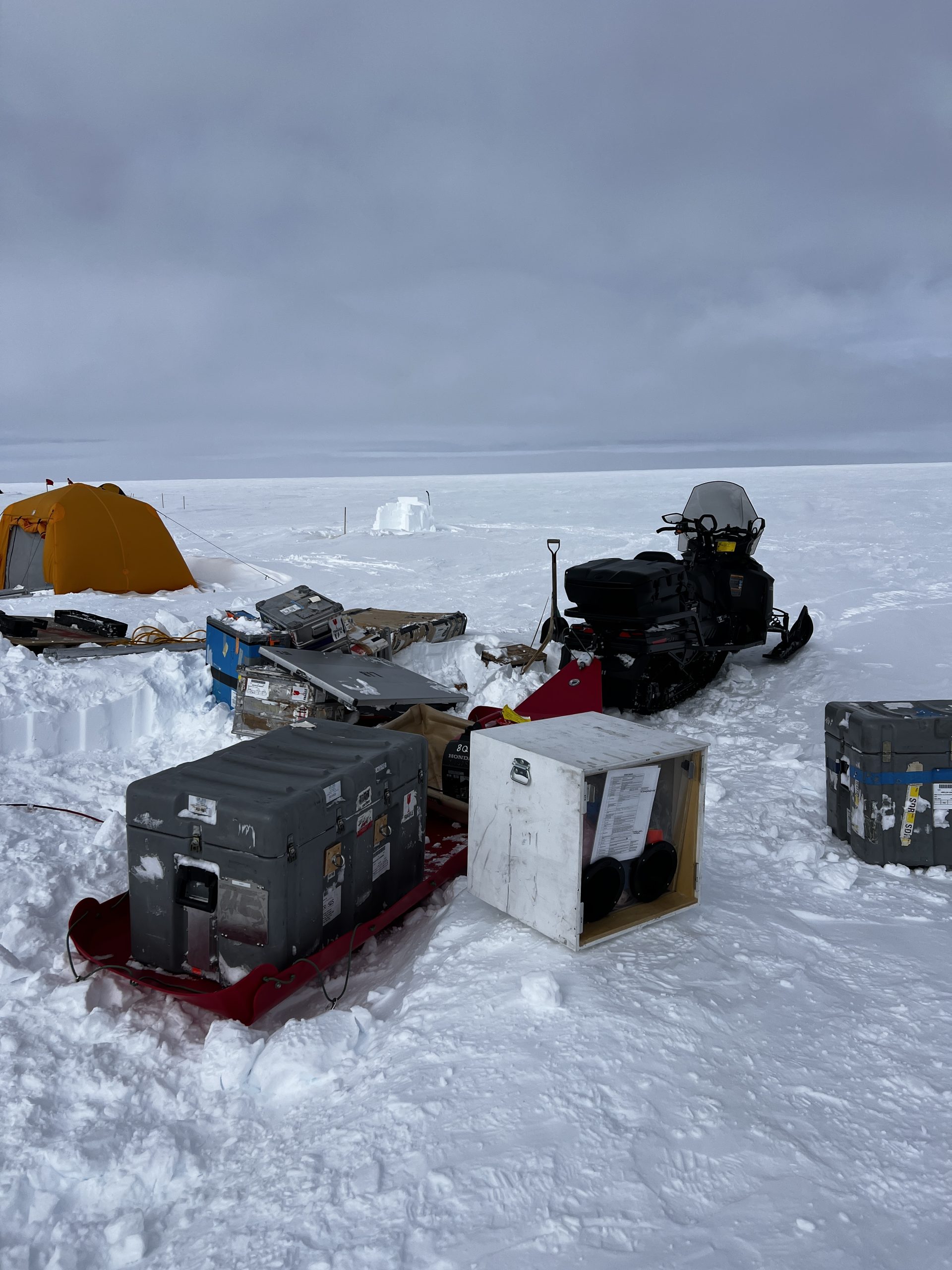
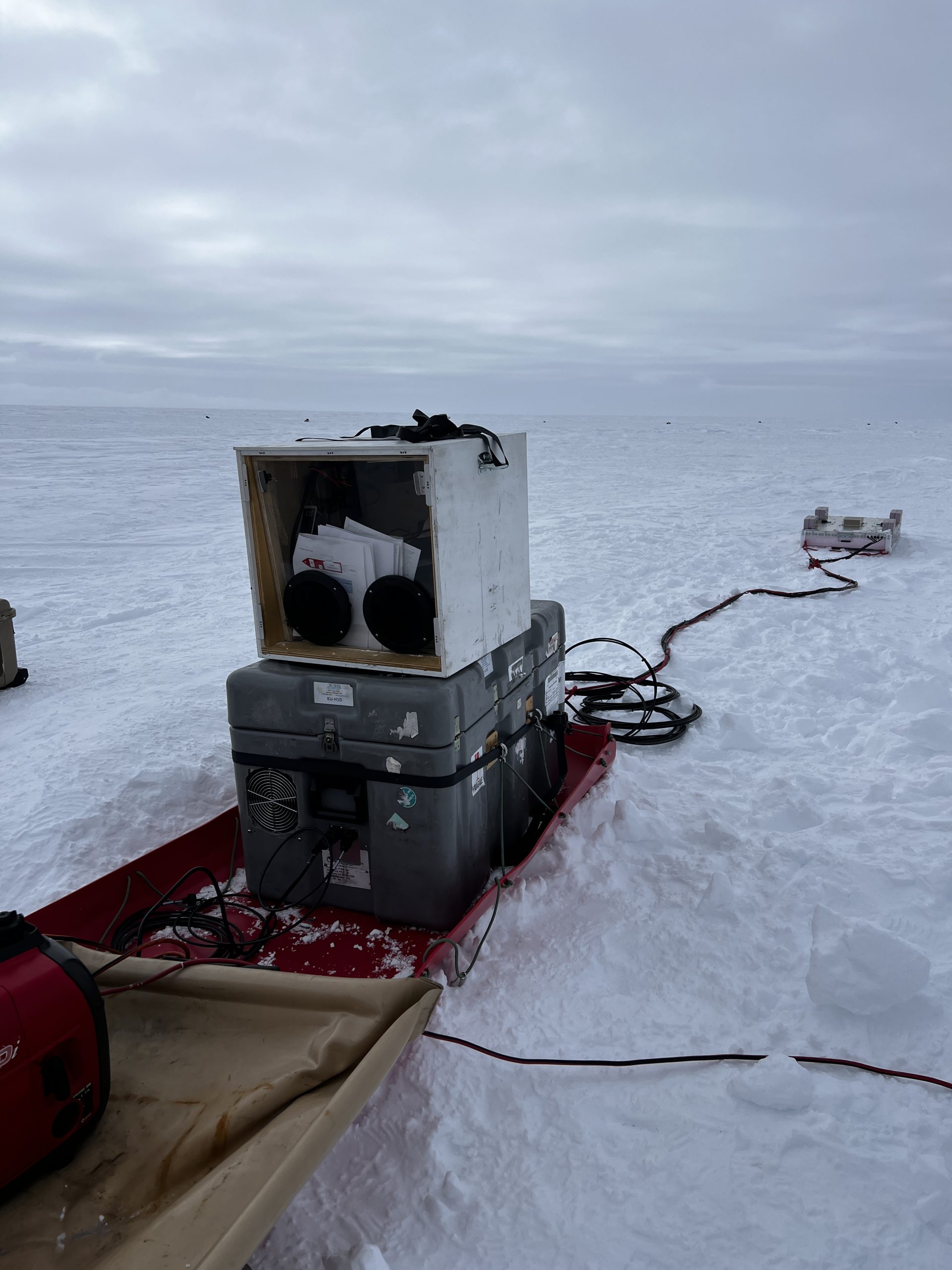
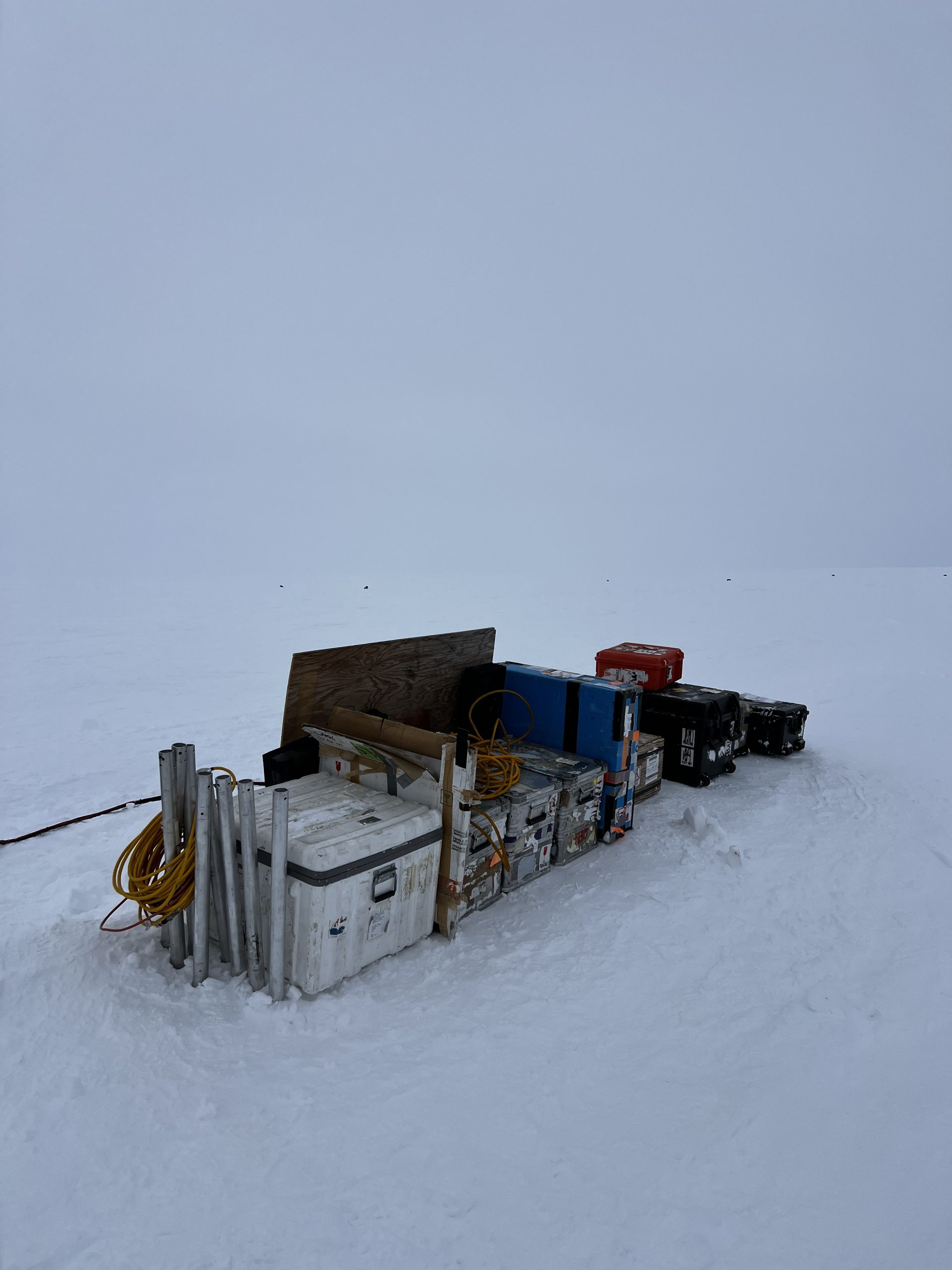
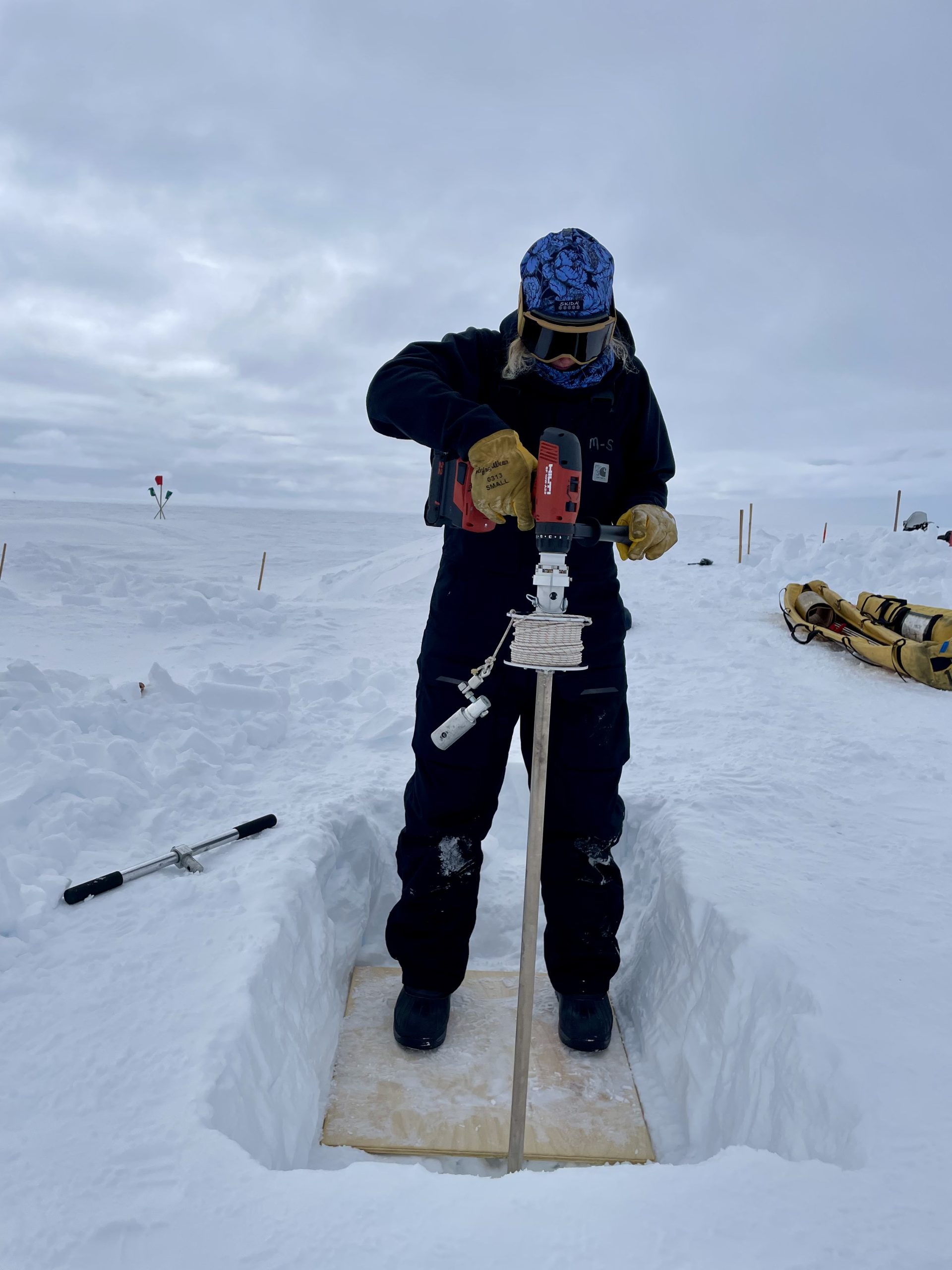
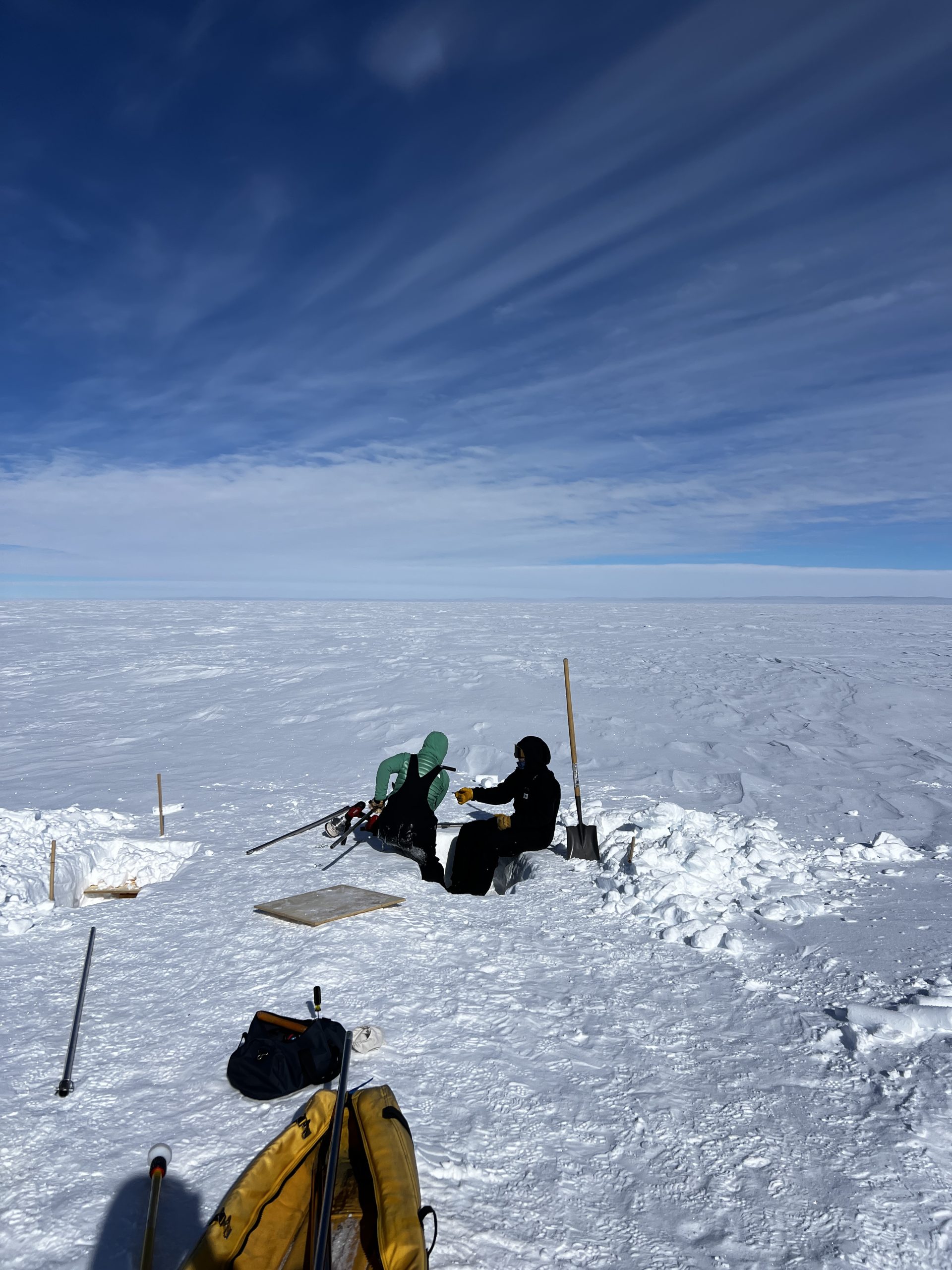
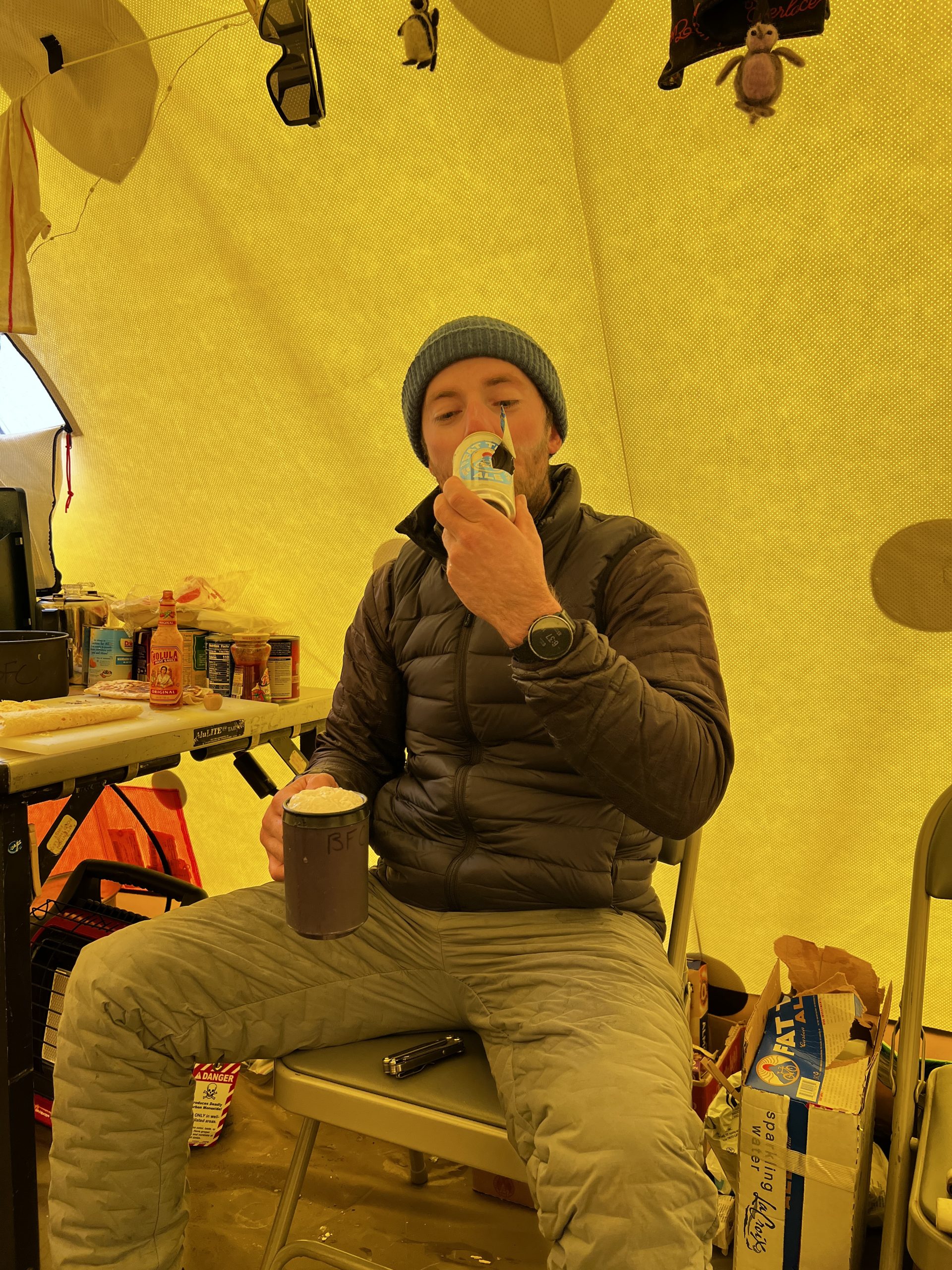
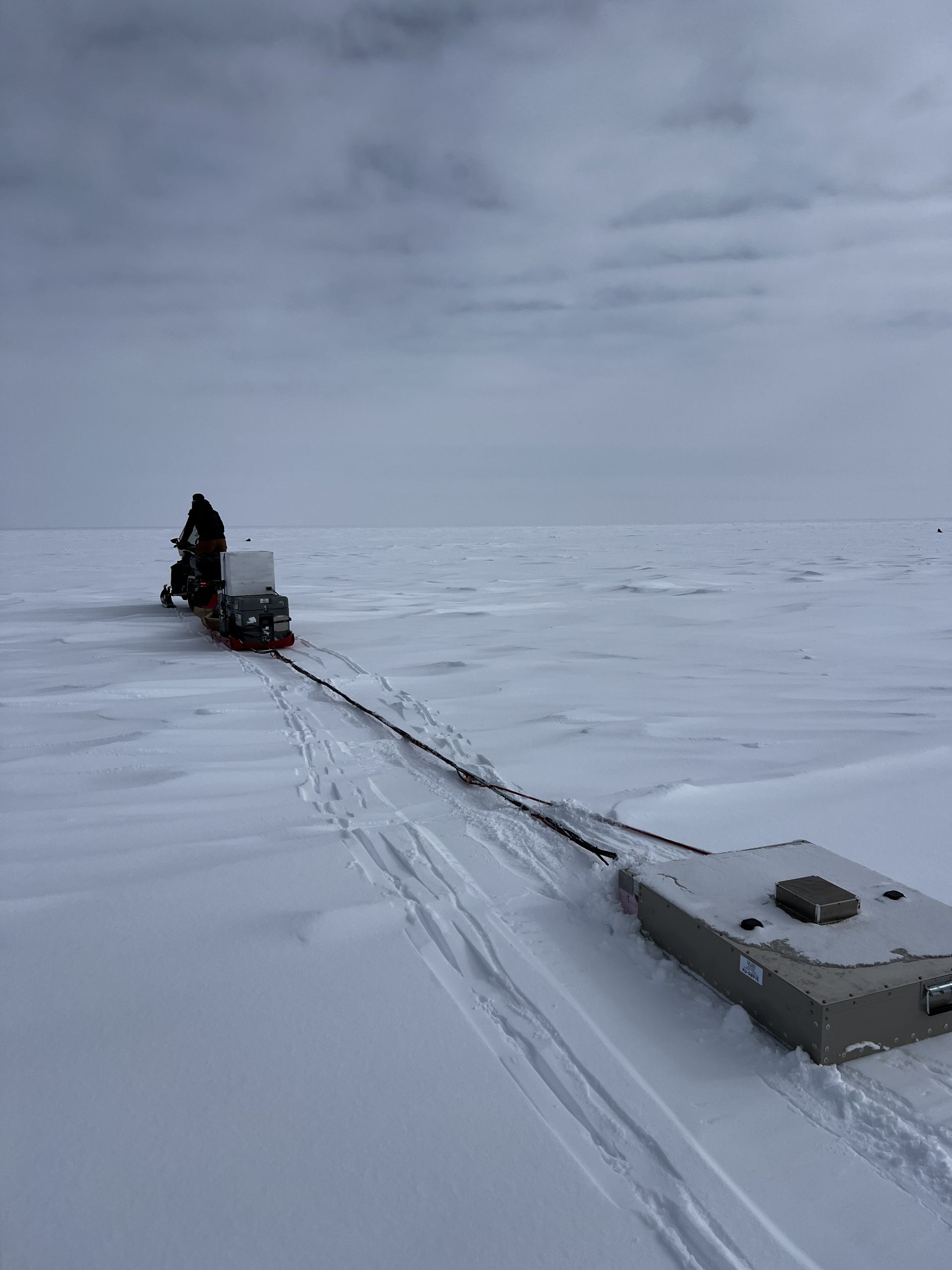
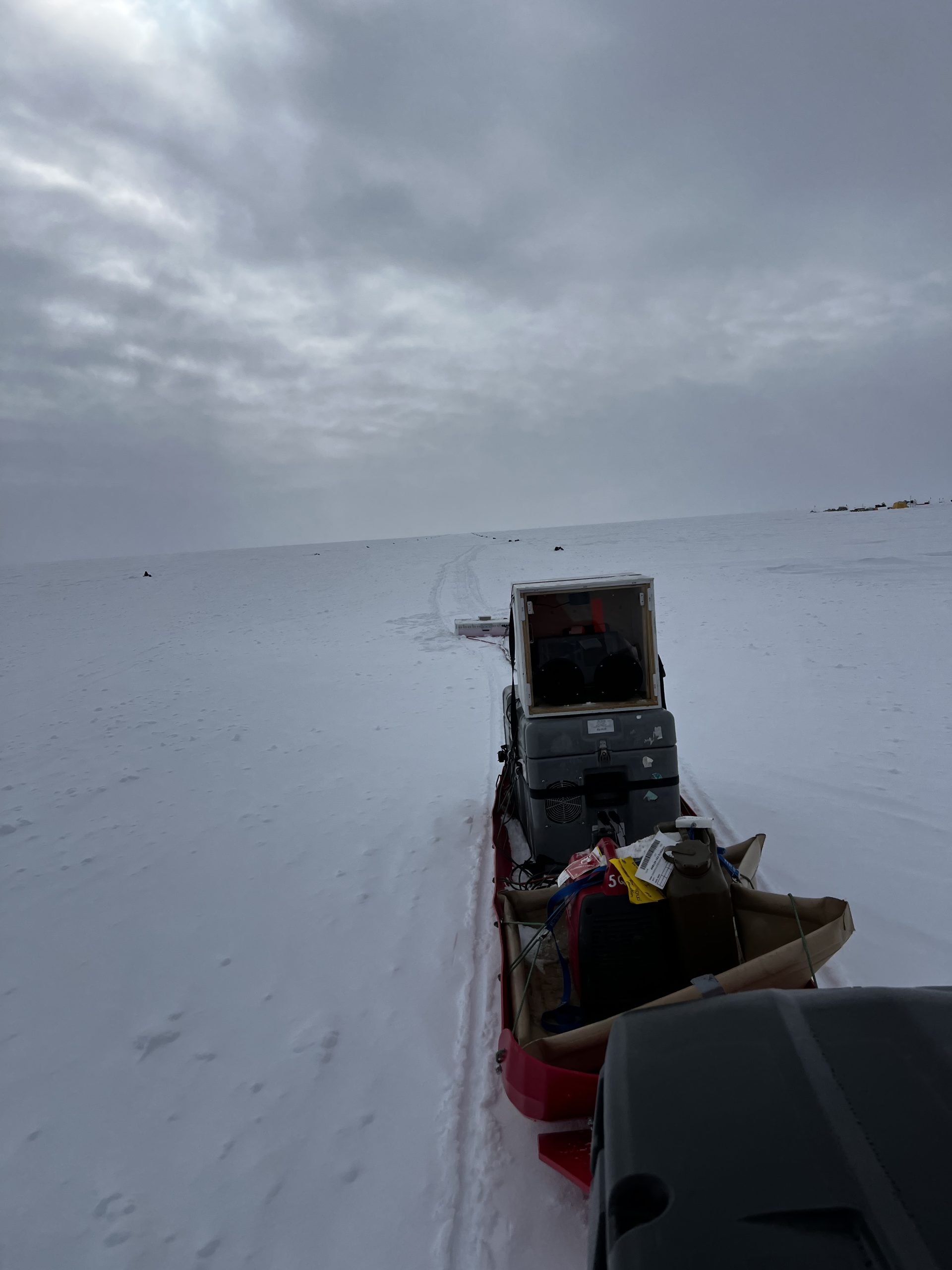
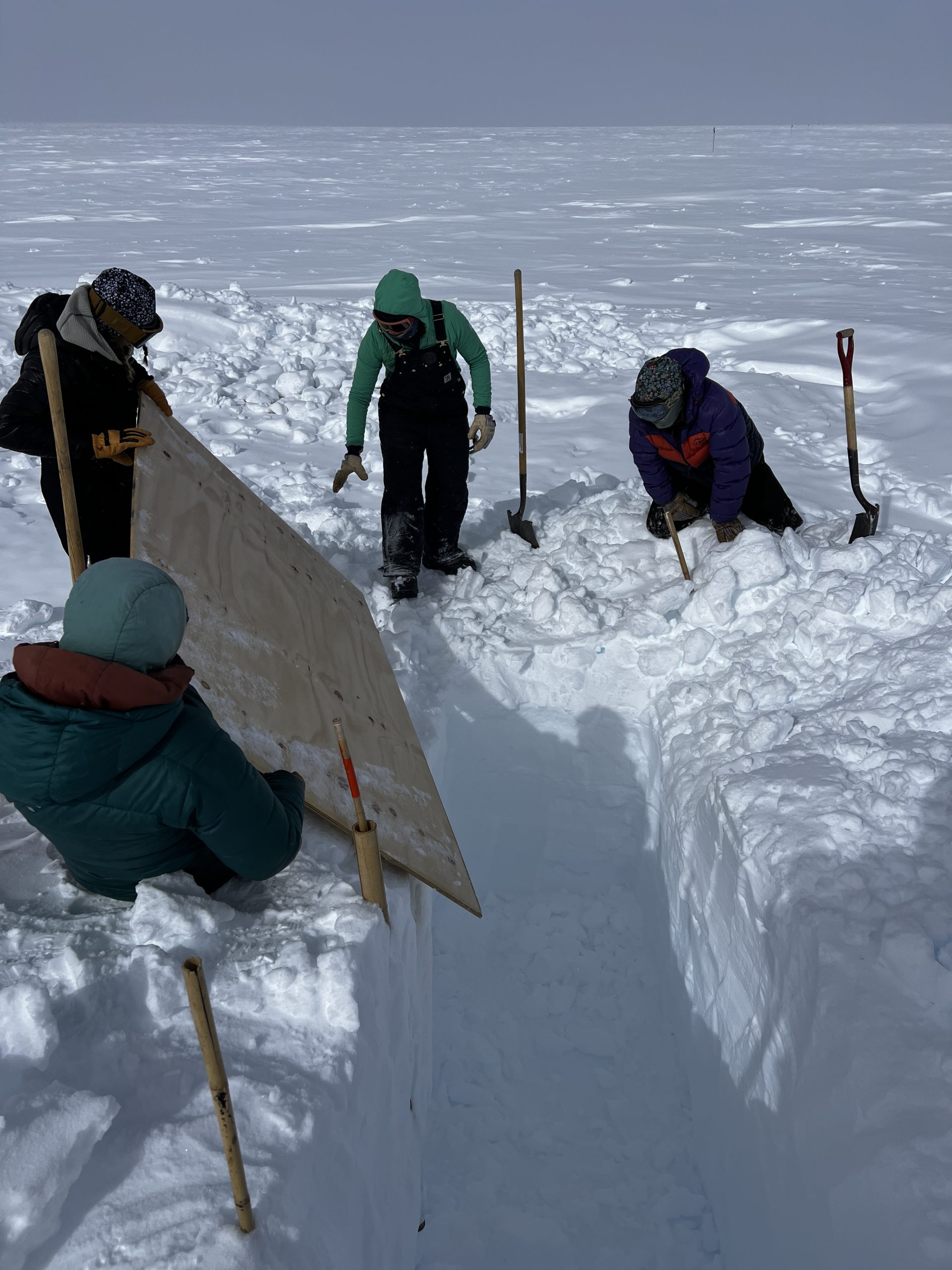
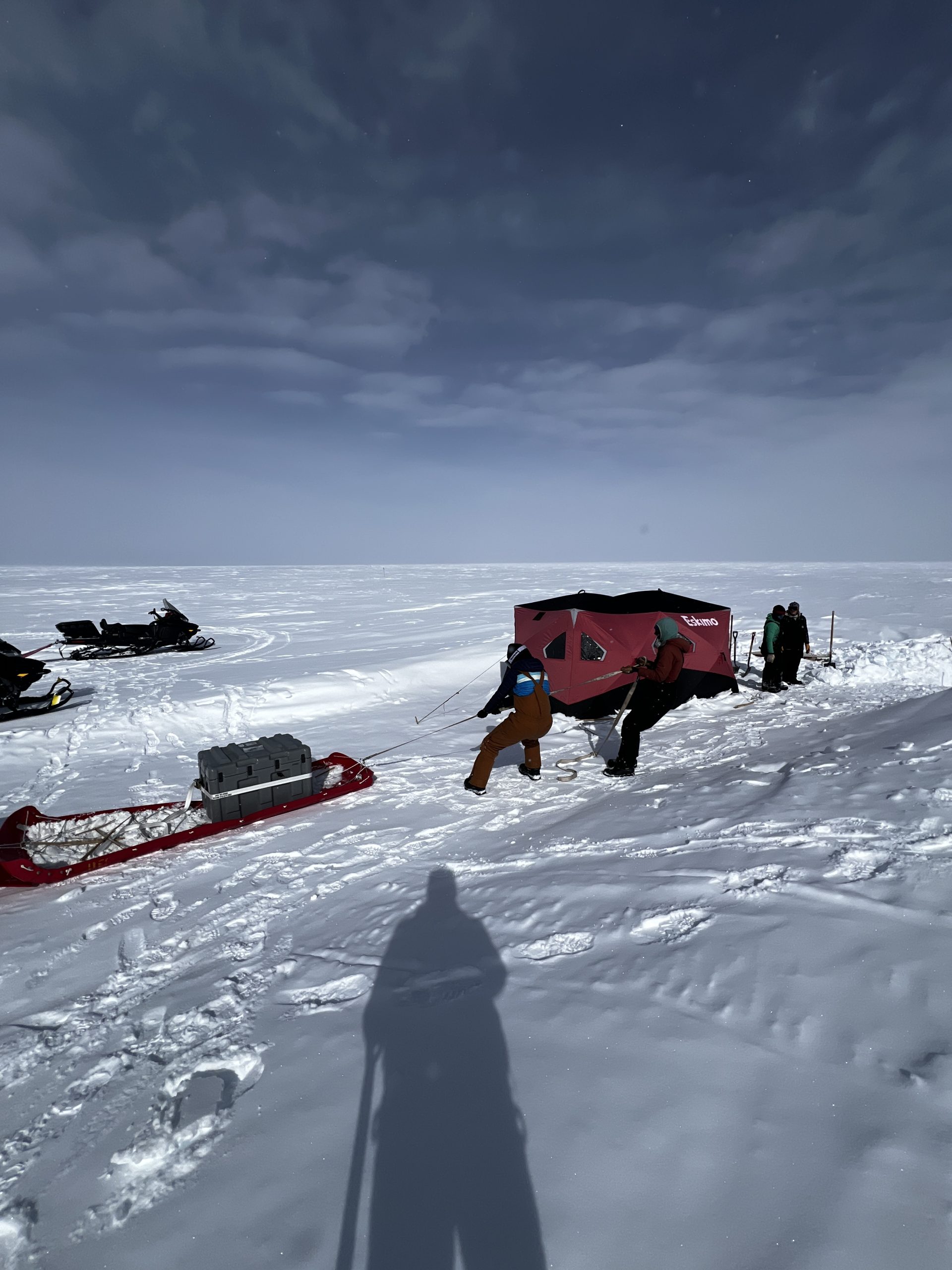
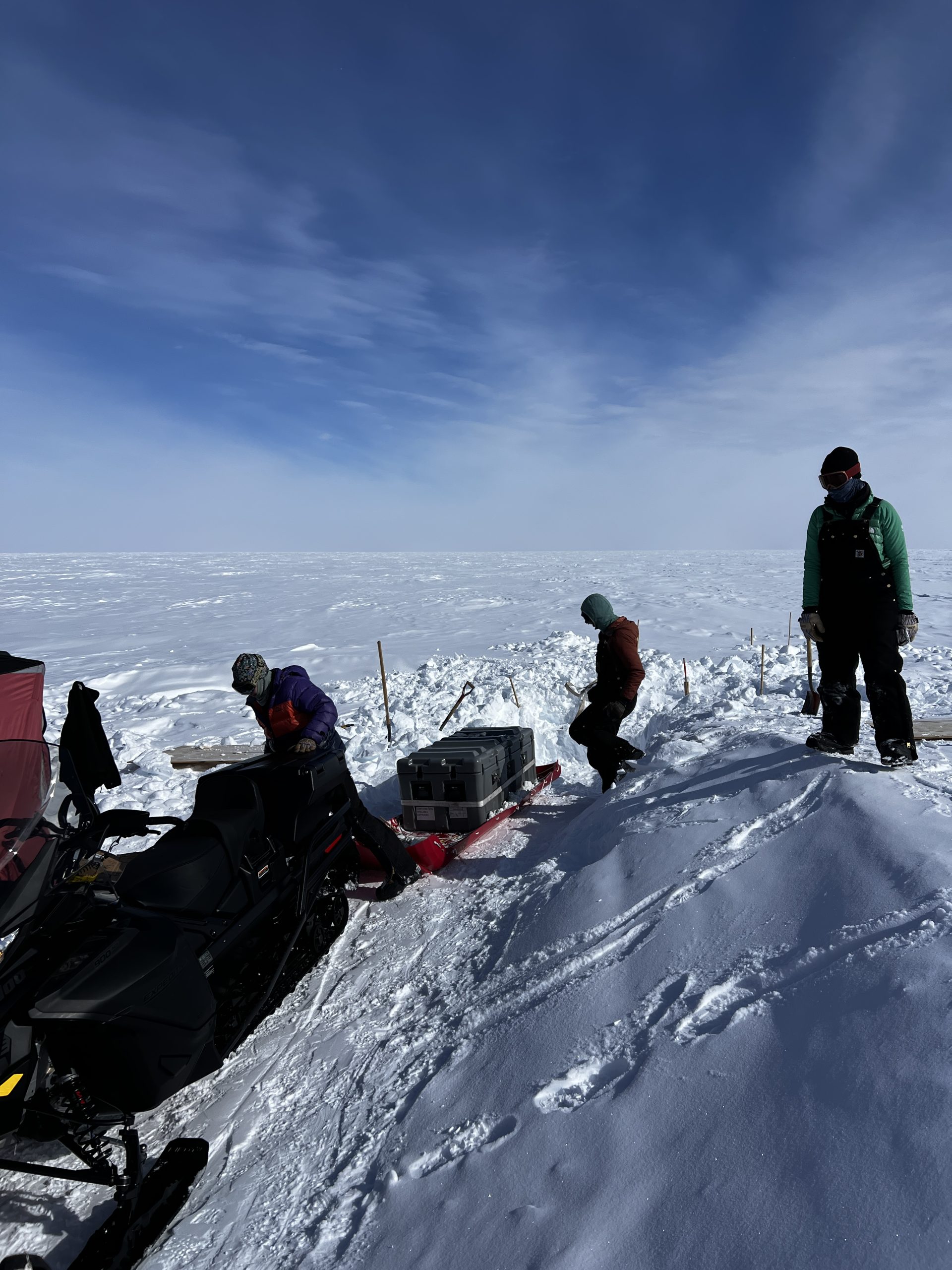
Another day of great weather here at Taylor Dome! I woke up and grabbed some letters from my family that were marked “read on January 1.” Elliot was up early and made eggs for the crew! Everyone on the team headed out early – Dylen and Ilyse to the 8 cm drill site to hand auger 15 m holes to put temperature sensors in, Elliot and Forest to the 4 cm drill site to set up the drill and myself, Ellen, and Zoe to the 25 cm ApRES site to take a campaign measurement and set up the overwinter ApRES site. Ellen and I packed two sleds (one Nansen and one banana sled towed behind it) with an enormous amount of equipment and had to stop 7-8 times on the way to the 25 cm site to pick up fallen goods, repack sleds, trade a sled with Zoe, and tighten the ropes holding down sled items. It feels really good at the end of the day to get rid of all the stuff that was sitting on the back of the sled.
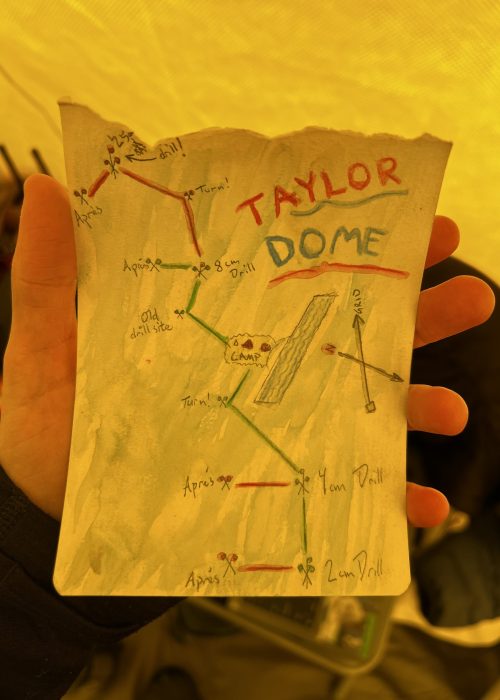
Sidenote: Site map
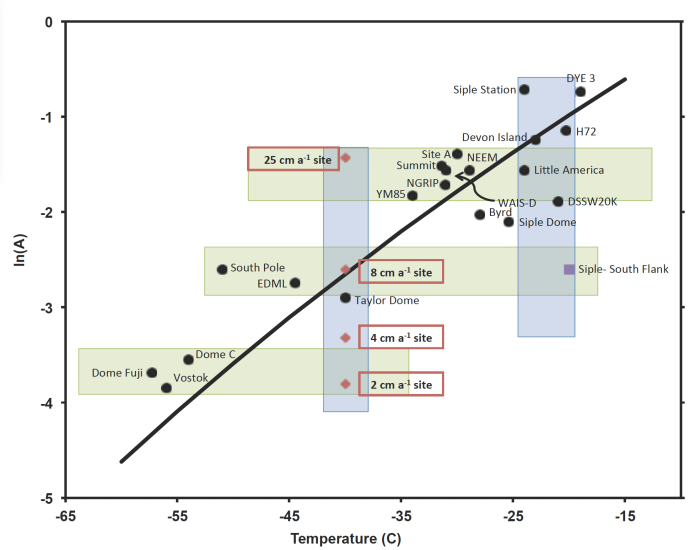
I bet nobody knows what I’m talking about when I mention 2, 4, 8, and 25 cm sites. As a refresher, the goal of this project is to measure firn (old, squished snow) compaction at different sites of accumulation to improve numerical firn models so we can better measure ice sheet change (and therefore sea level rise) using satellites and numerical models. Taylor Dome is a great place to measure firn compaction since there is a wide accumulation gradient across the dome (2 to 25 cm of ice equivalent per year). This accumulation gradient allows us to visit one place (Taylor Dome) and measure the properties that impact the accumulation.
Anyway, these four sites were selected to sort of fill in the graph below. Most observations of firn accumulation and temperature lie on the Clausius-Clapeyron relationship line (which describes the relationship between water vapor pressure and temperature). However, firn models that use this empirical relationship work at steady-state, which does not describe our transient climate system and ice sheets.
Here’s a (not-to-scale) map of the Taylor Dome Firn Project’s sites. Camp is in the middle, centered around the skiway which the FAST team maintains and which is where we get cargo delivered via plane and where we load up planes with firn cores to be sent back to McMurdo. There are four drill sites (2 cm, 4 cm, 8 cm, and 25 cm) and their four corresponding ApRES sites (labeled aprés, haha). The drill sites are where Forest and Elliot drill firn cores! They’ll collect some cores to bring back to the US for Dylen and Ilyse to take microstructure measurements in the lab. The ApRES sites are 1 km away from the drill sites since the radar waves are sensitive to metal (aka the drill and the cables that Dylen and Ilyse are installing). There is an “old drill site” which is where Ed Waddington and others collected a 554 m core in 1994. The routes to each site have been checked for crevasses multiple times using satellite imagery and ground-penetrating radar (GPR) (via Zoe!). We have had to move some sites due to suspected crevassed areas which are incredibly dangerous and no one wants to deal with them. Zoe and Ben (a Berg Field Center personnel) GPRed and flagged the safe routes. We need to stay on the roads while Ski-Dooing for extra, extra safety.
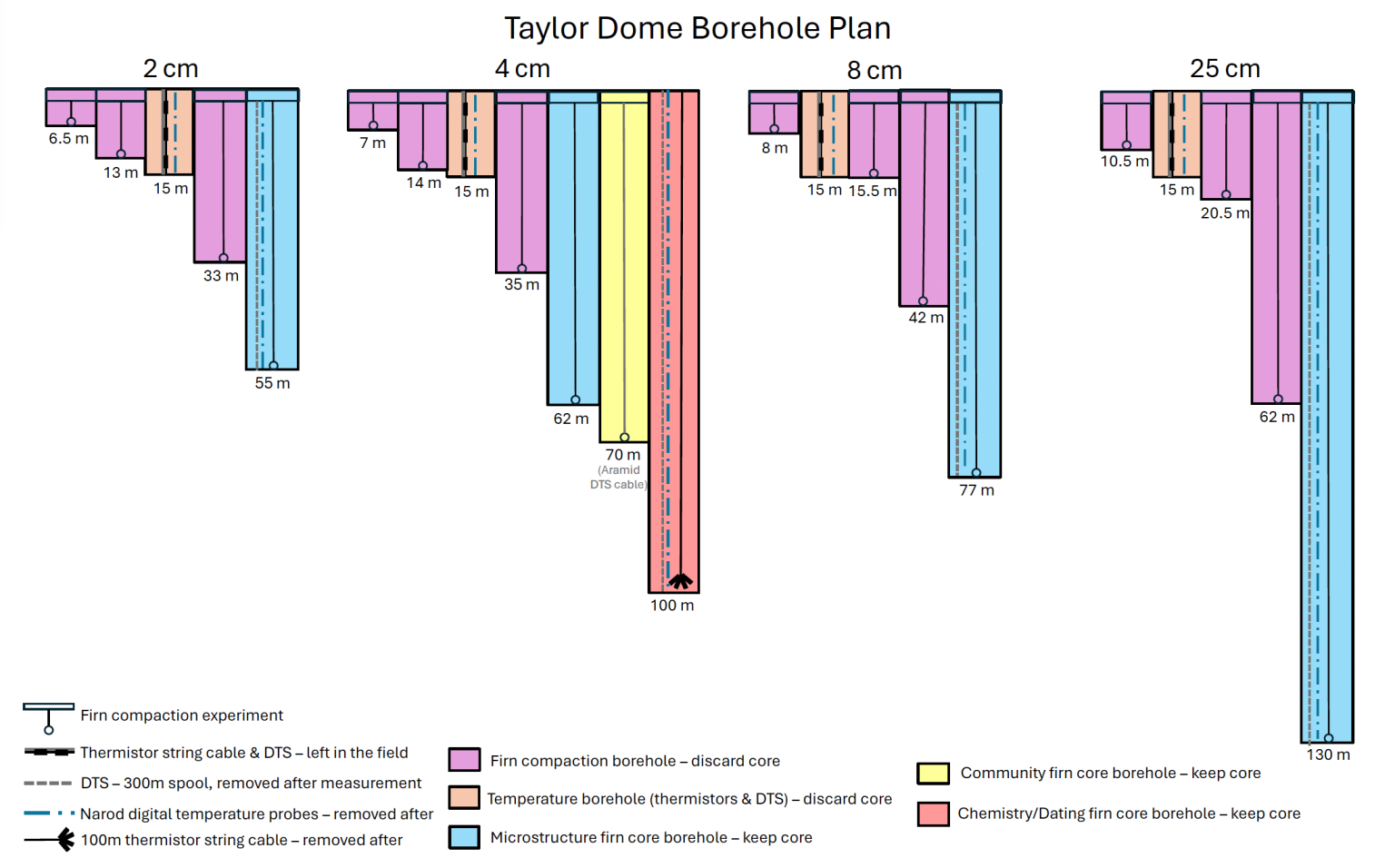
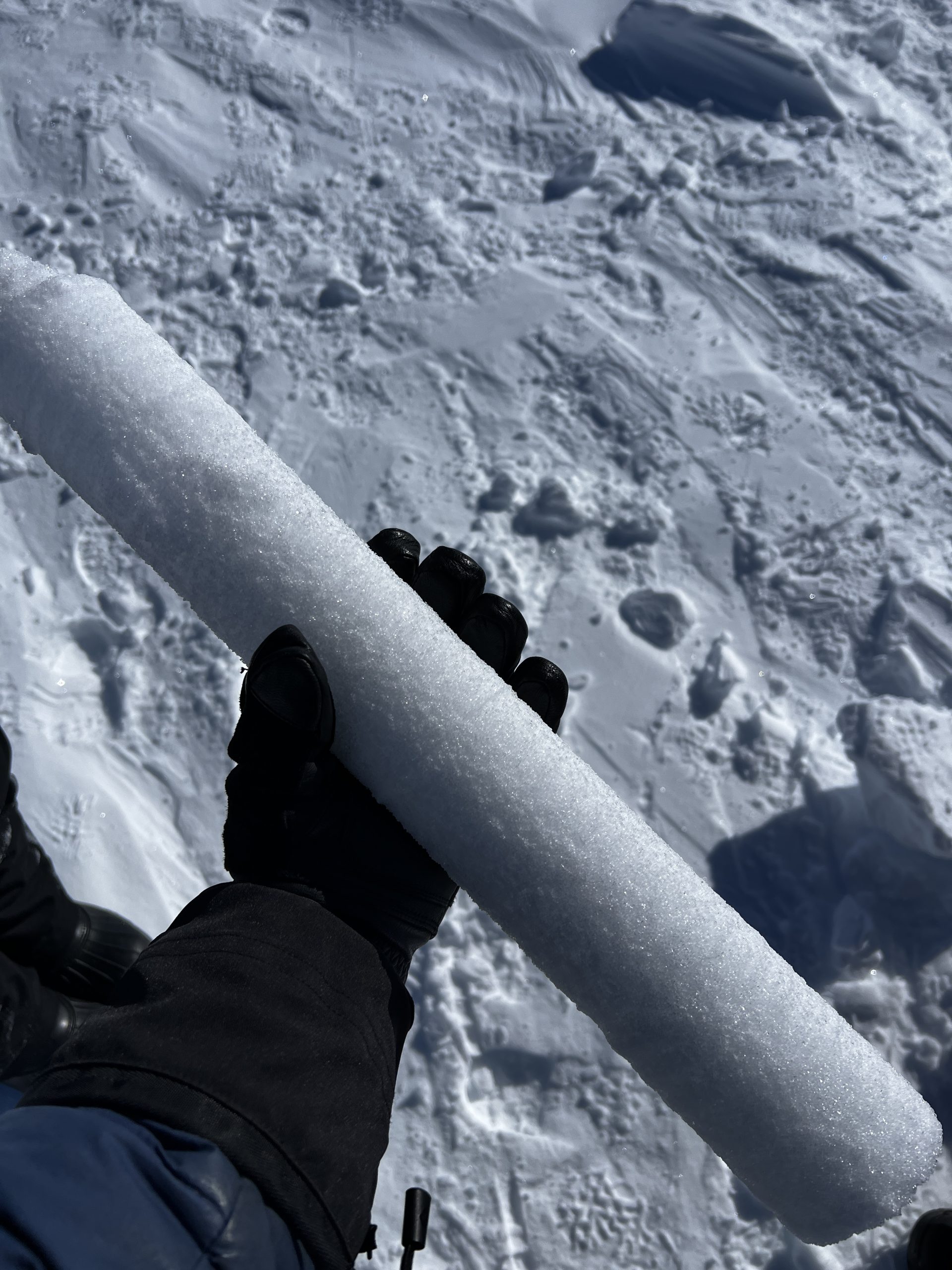
Speaking of drilling, here’s a diagram of all the boreholes that the team is drilling! Anything less than 20 m deep will be hand-drilled by Ilyse and Dylen and anything more than 20 m deep will be drilled with the Eclipse drill by Forest and Elliot. There are quite a few cores that need to be collected and sent back to the US (blue, yellow, and red) and some are being discarded (magenta and orange) since Dylen and Ilyse only need a hole in the ground to put a temperature sensor or strain meter inside.
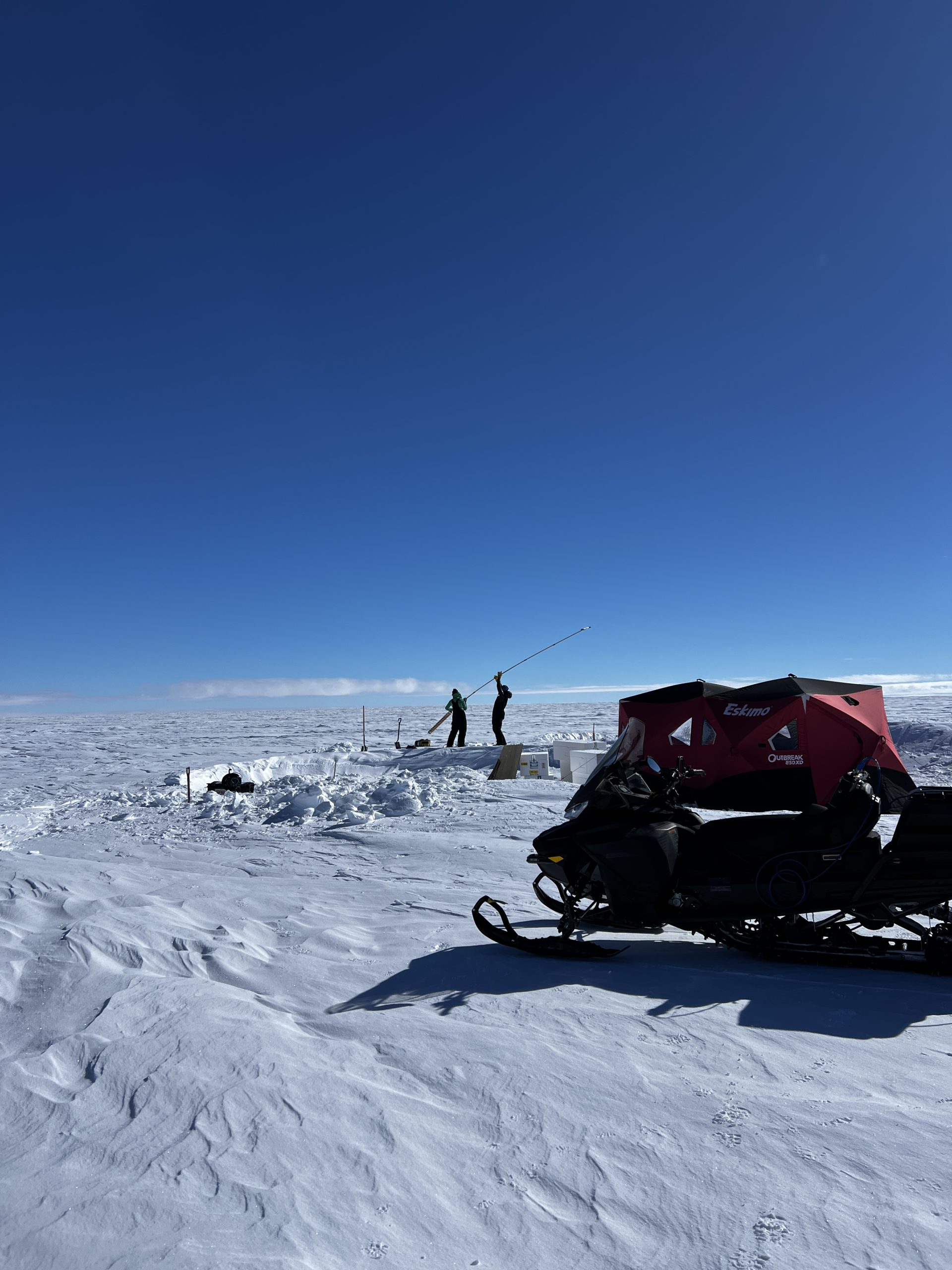
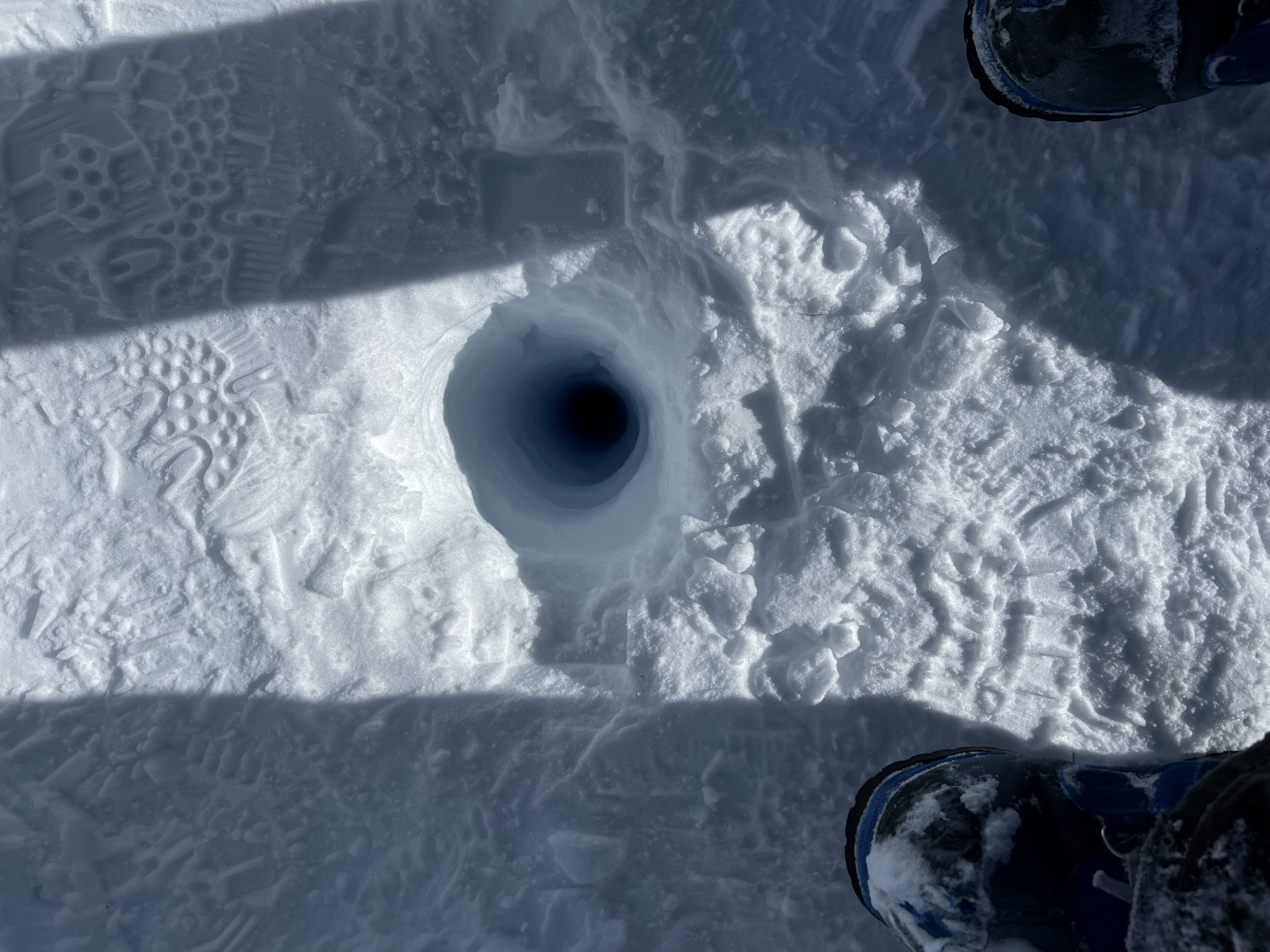
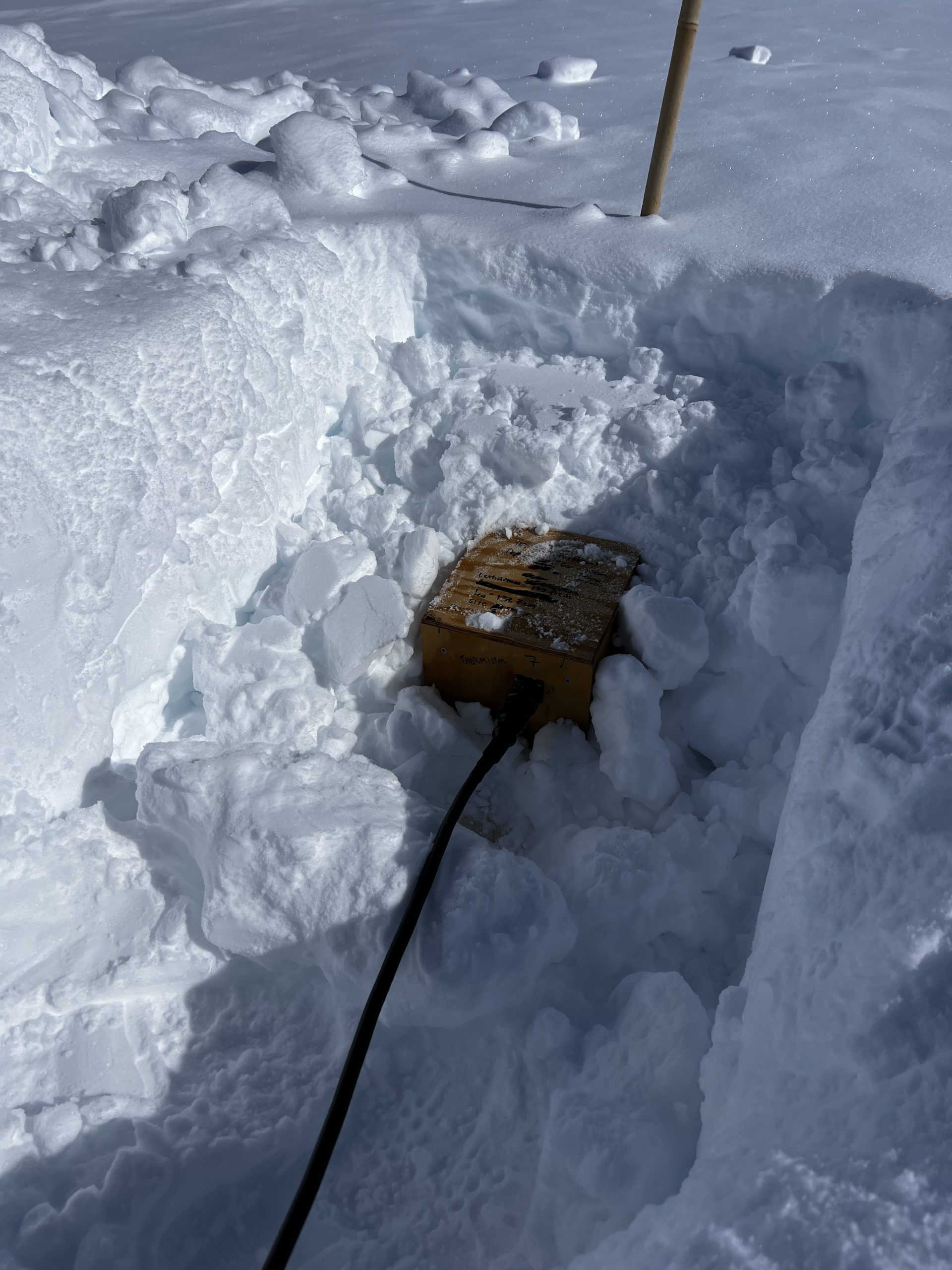
Dylen and Ilyse hand augered 7 m of a 15 m borehole and set up the Distributed Temperature Sensor (DTS). The DTS is a fiber optic cable that measures temperature gradients along the cable. Dylen and Ilyse can put the cable down a borehole and measure the temperature from the surface to the depth of the borehole. One reason they want to measure the temperature gradient is to connect it to snow grain microstructure throughout the borehole using the firn cores that the drillers are collecting. Additionally, in numerical firn models, we generally don’t understand firn compaction (as mentioned in Week 0) and by measuring temperature (using the DTS in the borehole) and firn compaction (using ApRES and strain gauges), we can improve firn models’ performance across a variety of temperatures and accumulation rates.
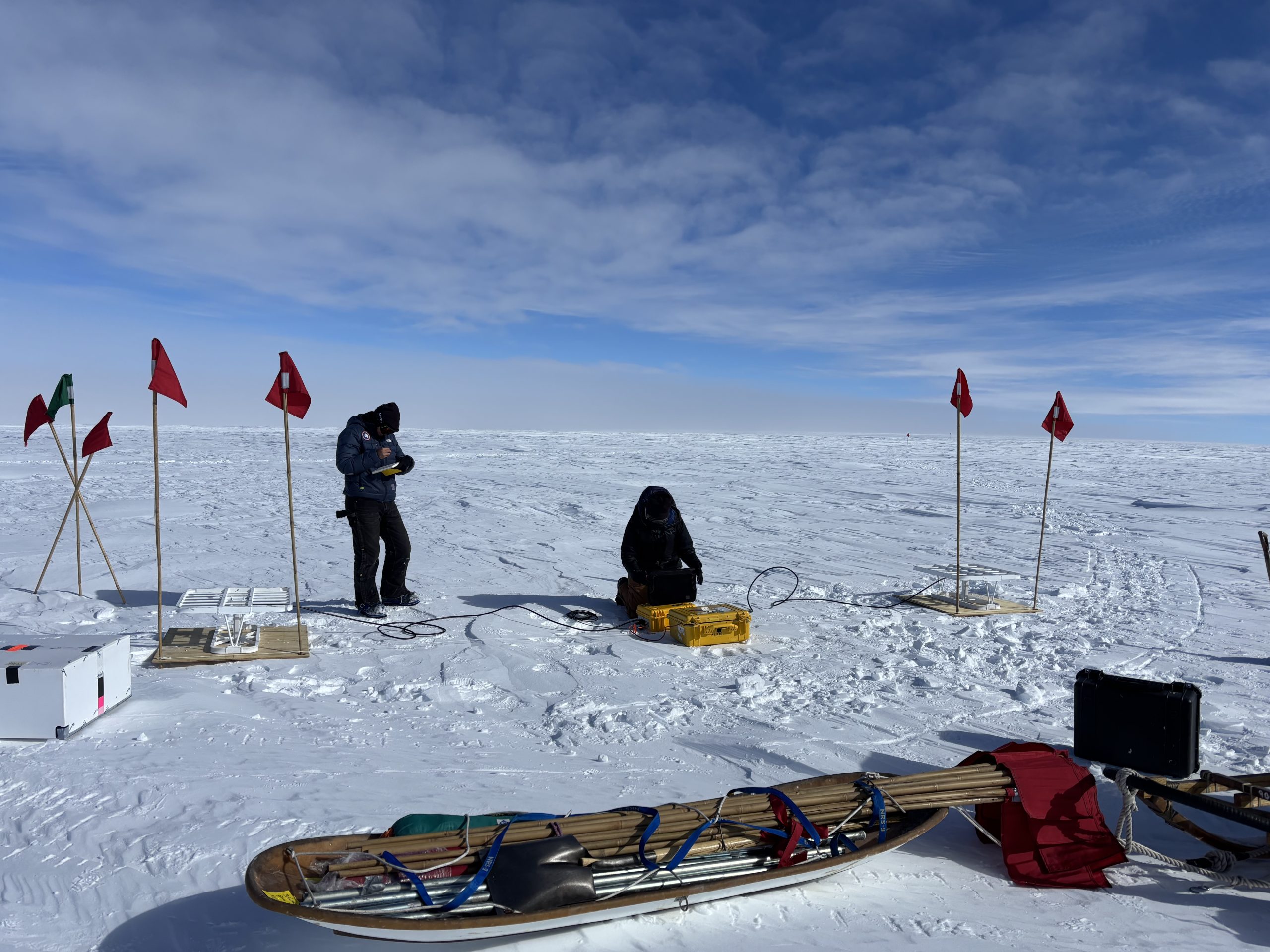
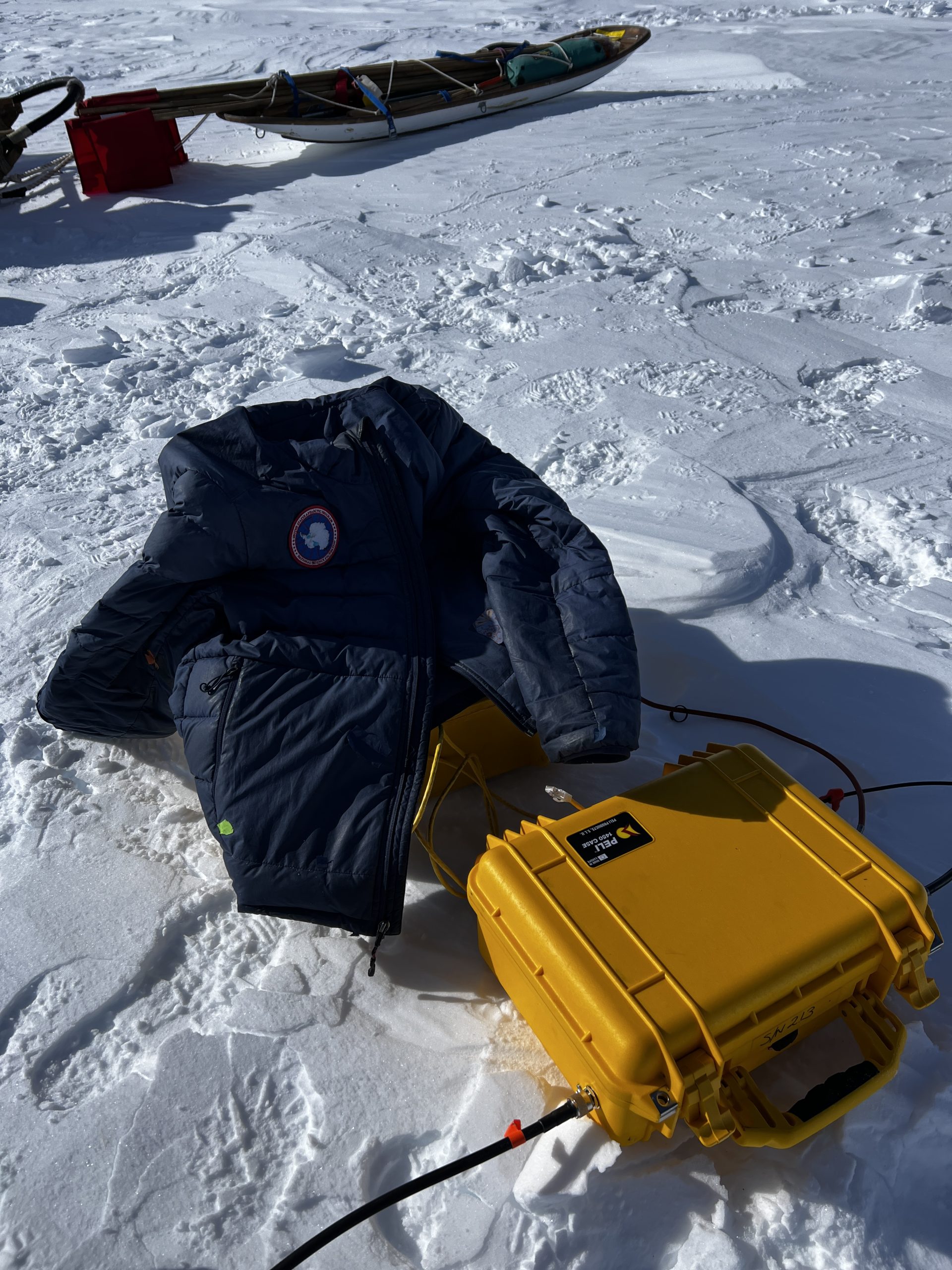
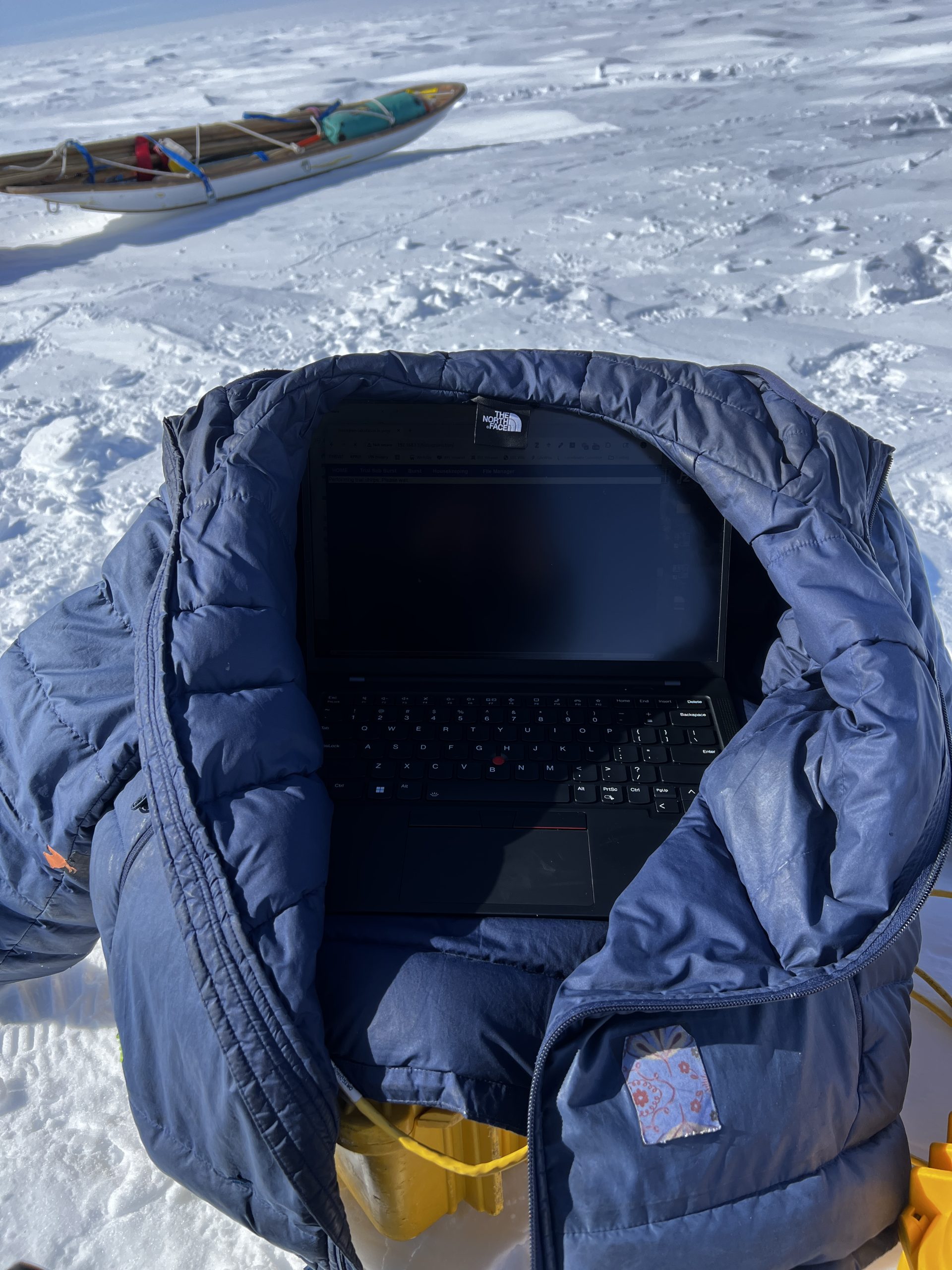
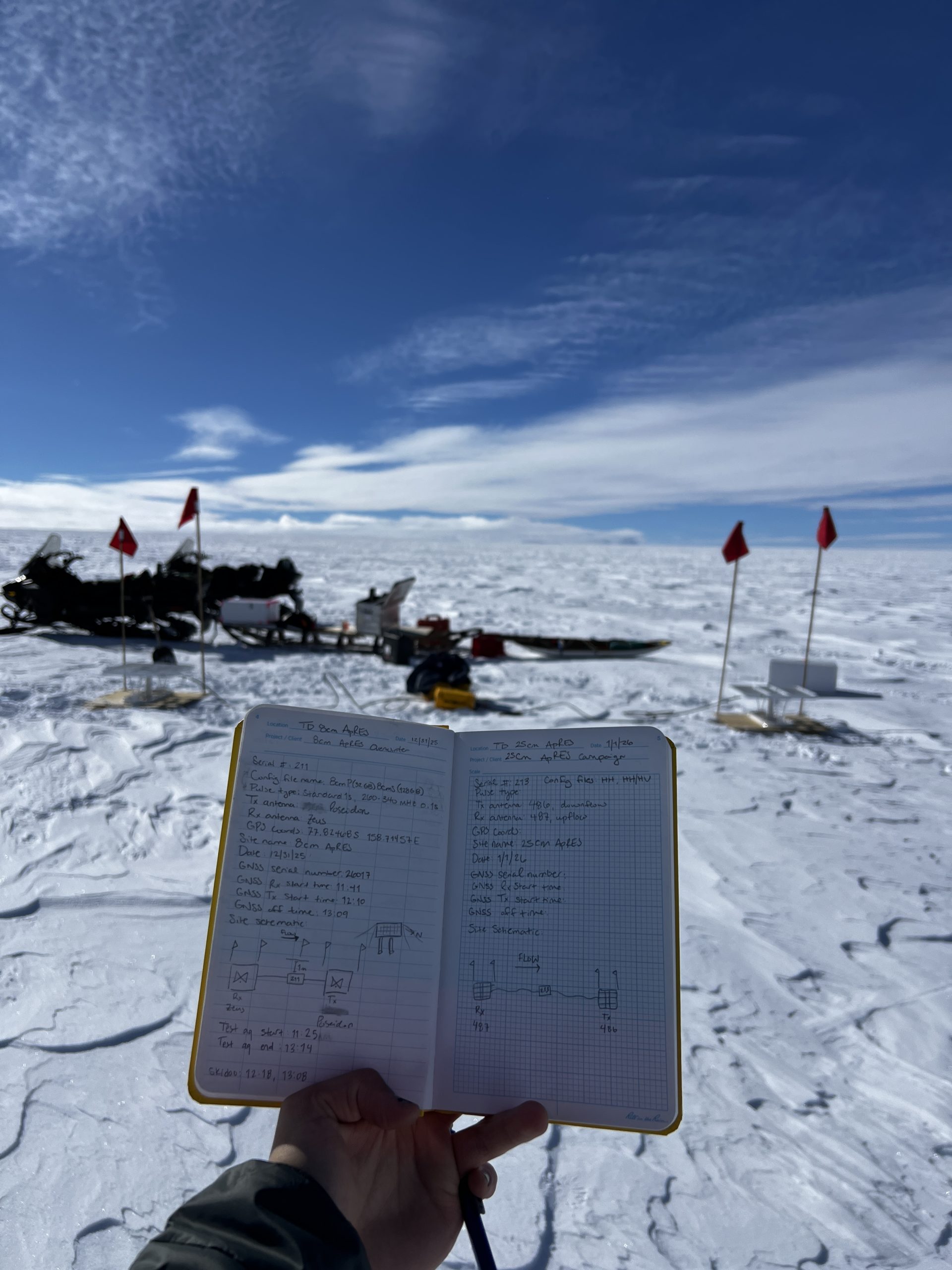
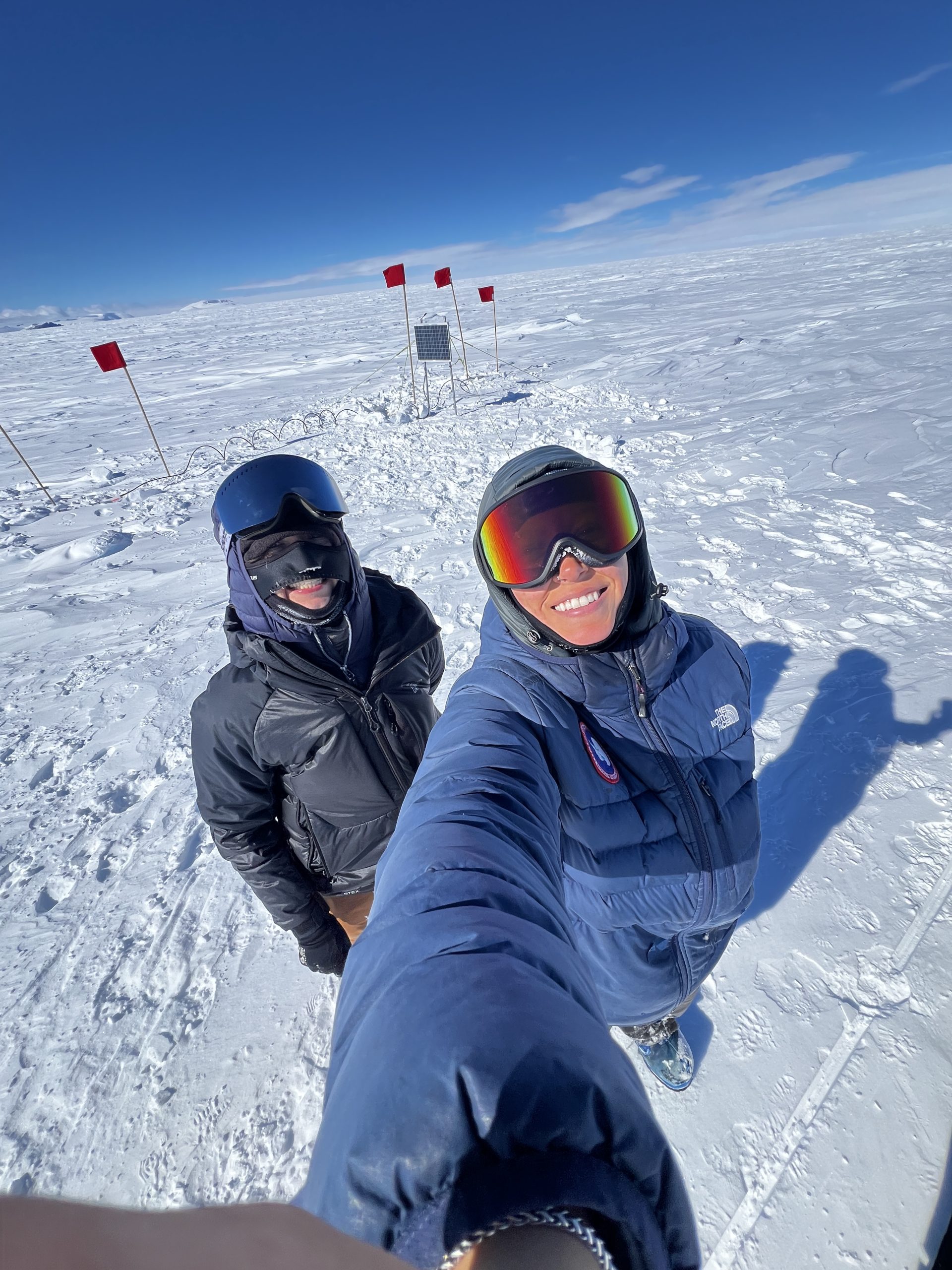
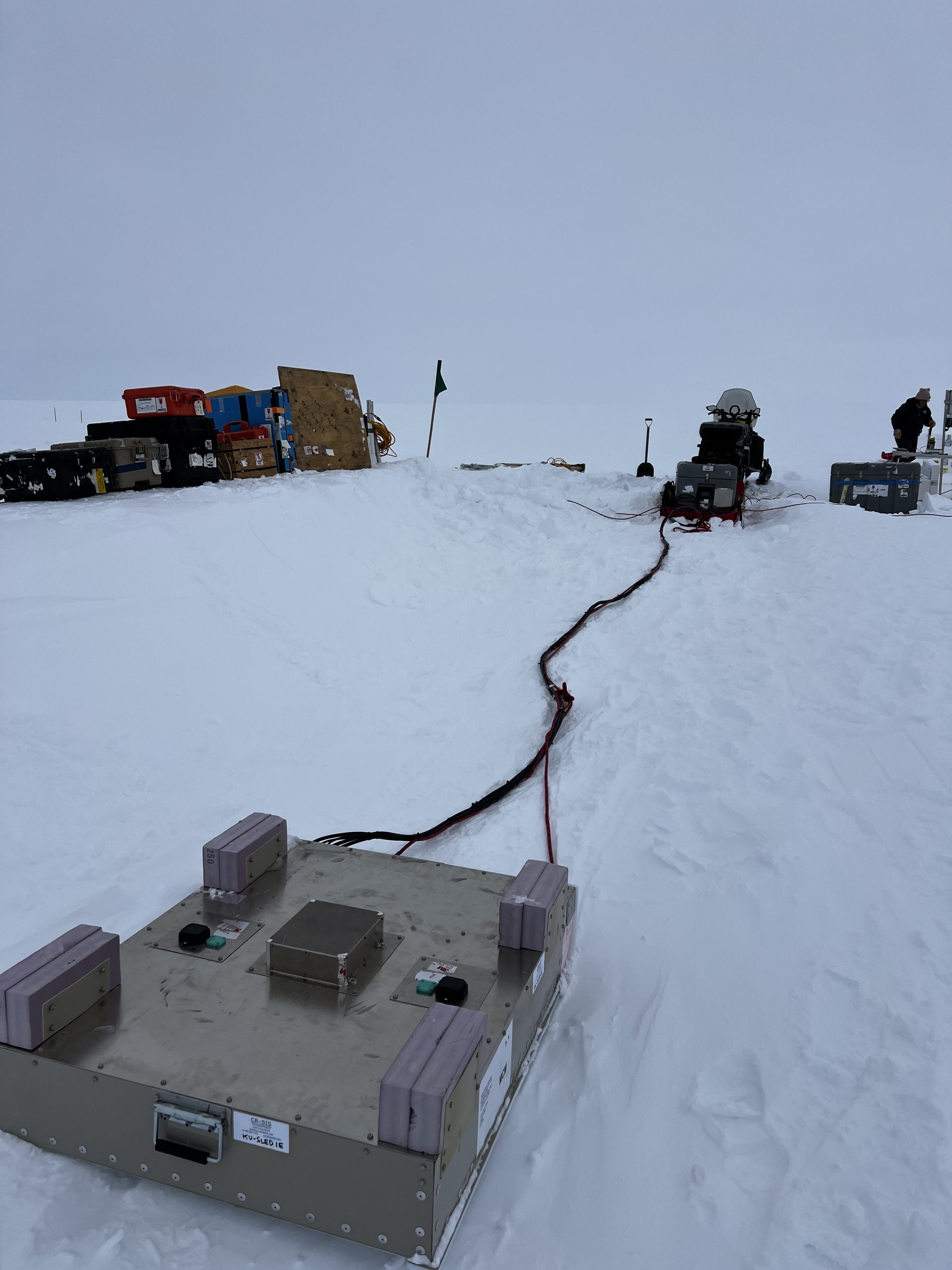
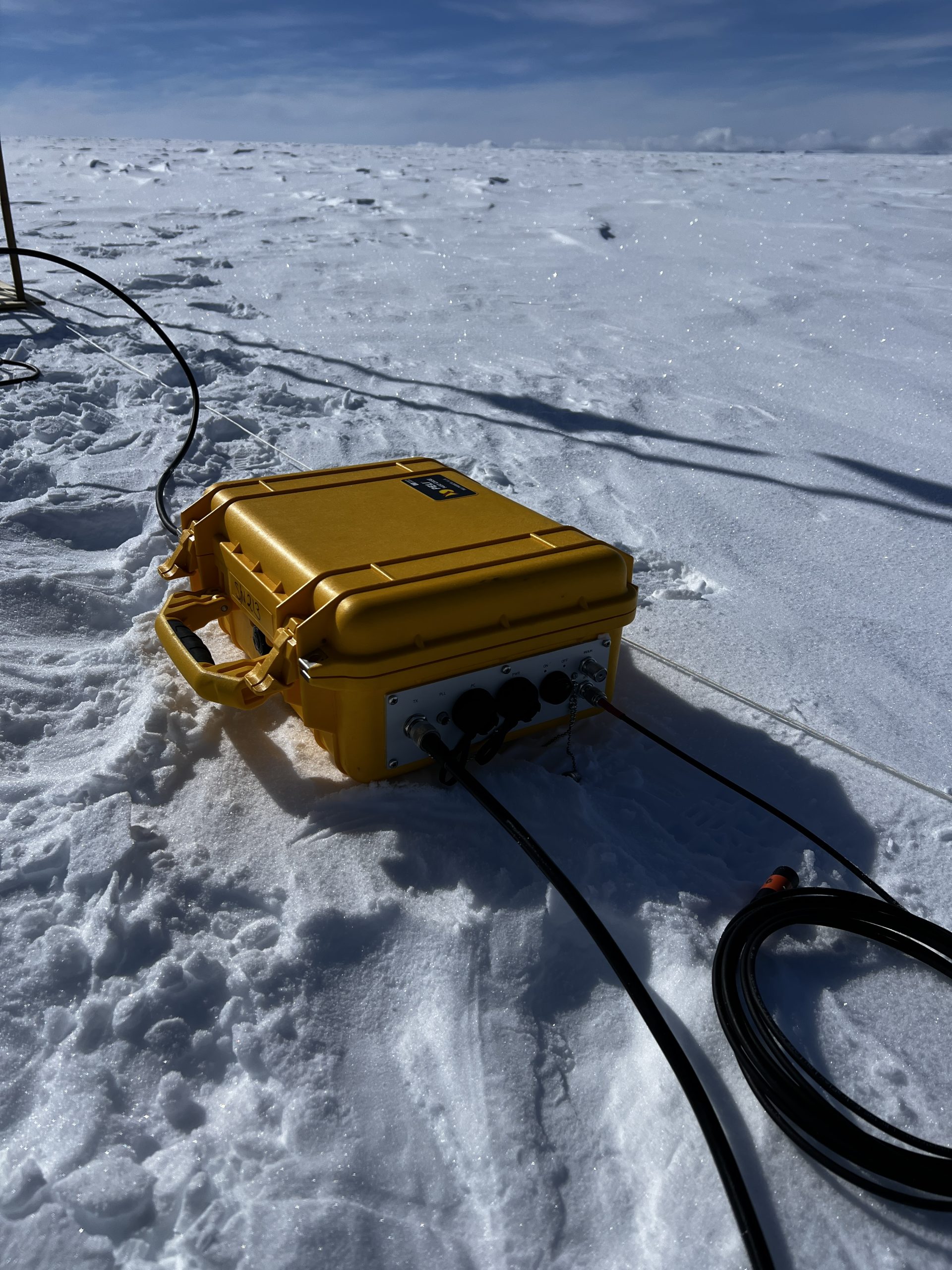
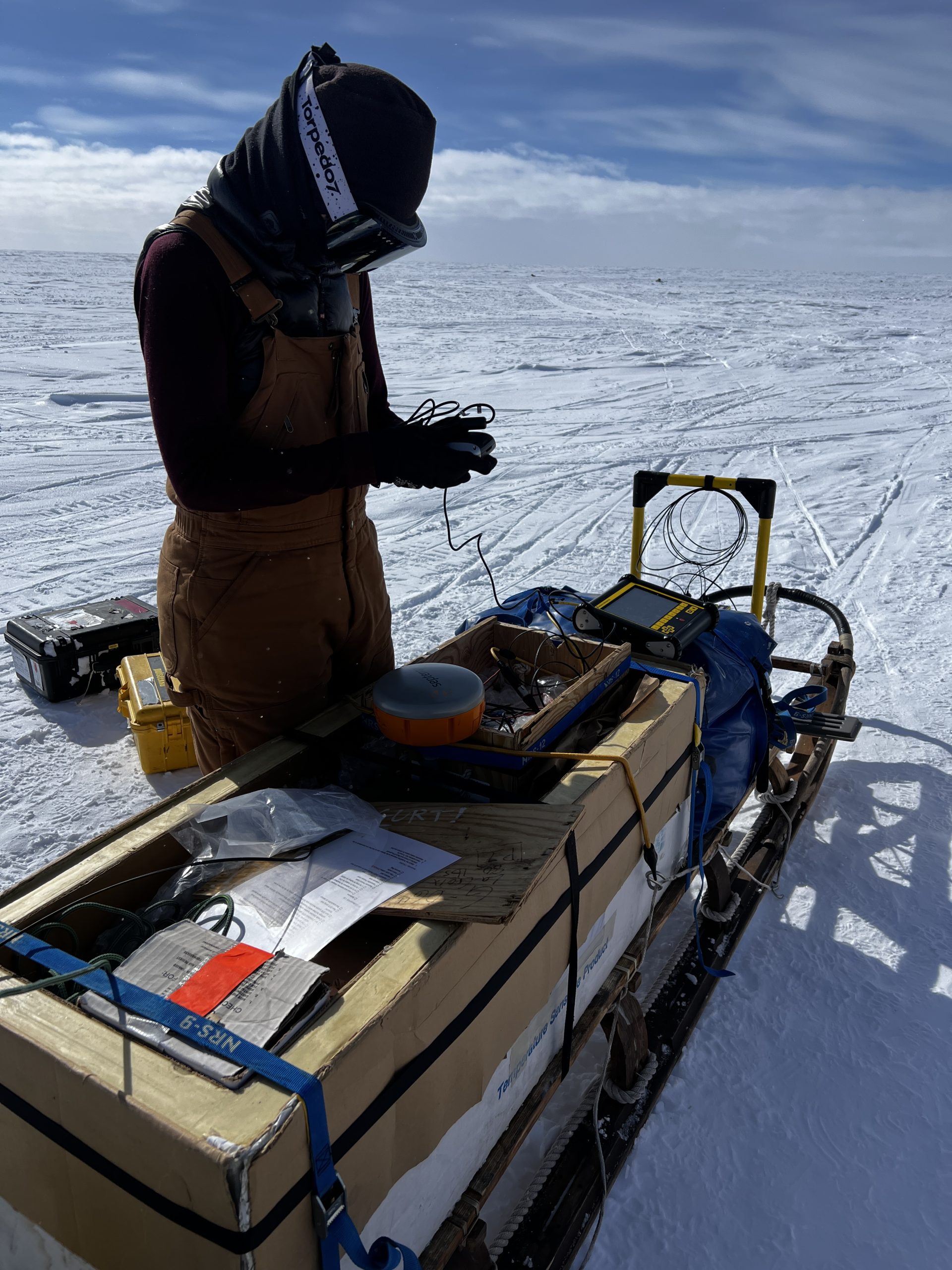
Meanwhile, Ellen, Zoe, and I set up an overwinter ApRES site (where we will leave the ApRES for 1-2 years) and collected a campaign measurement (a single measurement where we will take the ApRES computer and antennae back to camp) to measure ice thickness and firn layers. It was quite hot today so we were all stripping layers trying not to sweat while simultaneously trying to stay covered from the sun. Despite the summer heat, it was not actually that warm and the laptop we brought out to the site was quite unwell… So, I wrapped my puffy around it to encourage it to warm up. I took the usual diligent notes in my waterproof notebook and we took multiple snack breaks while out there. After setup, we stopped by the 8 cm drill site to visit Dylen and Ilyse and prep for the next task.
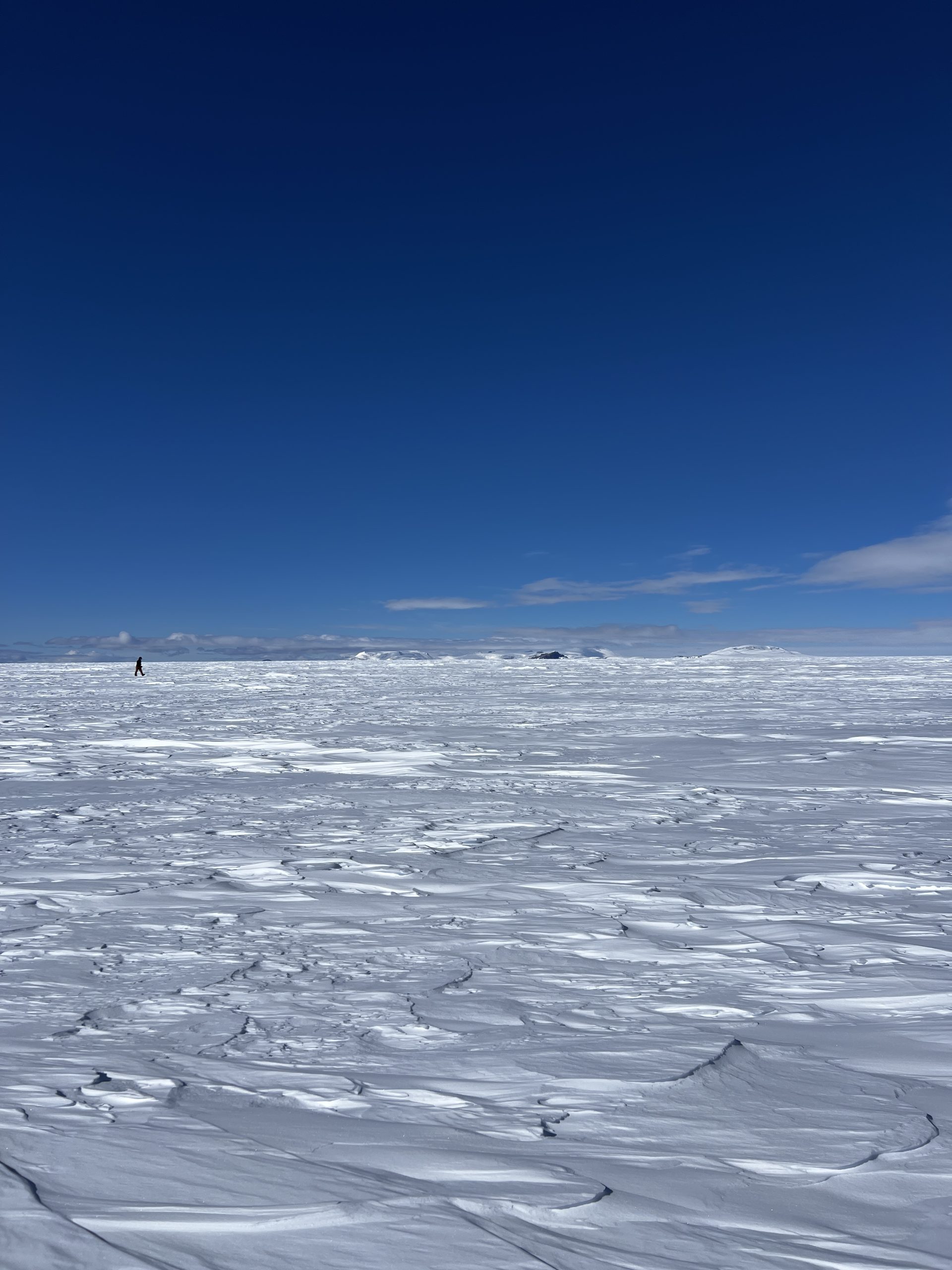
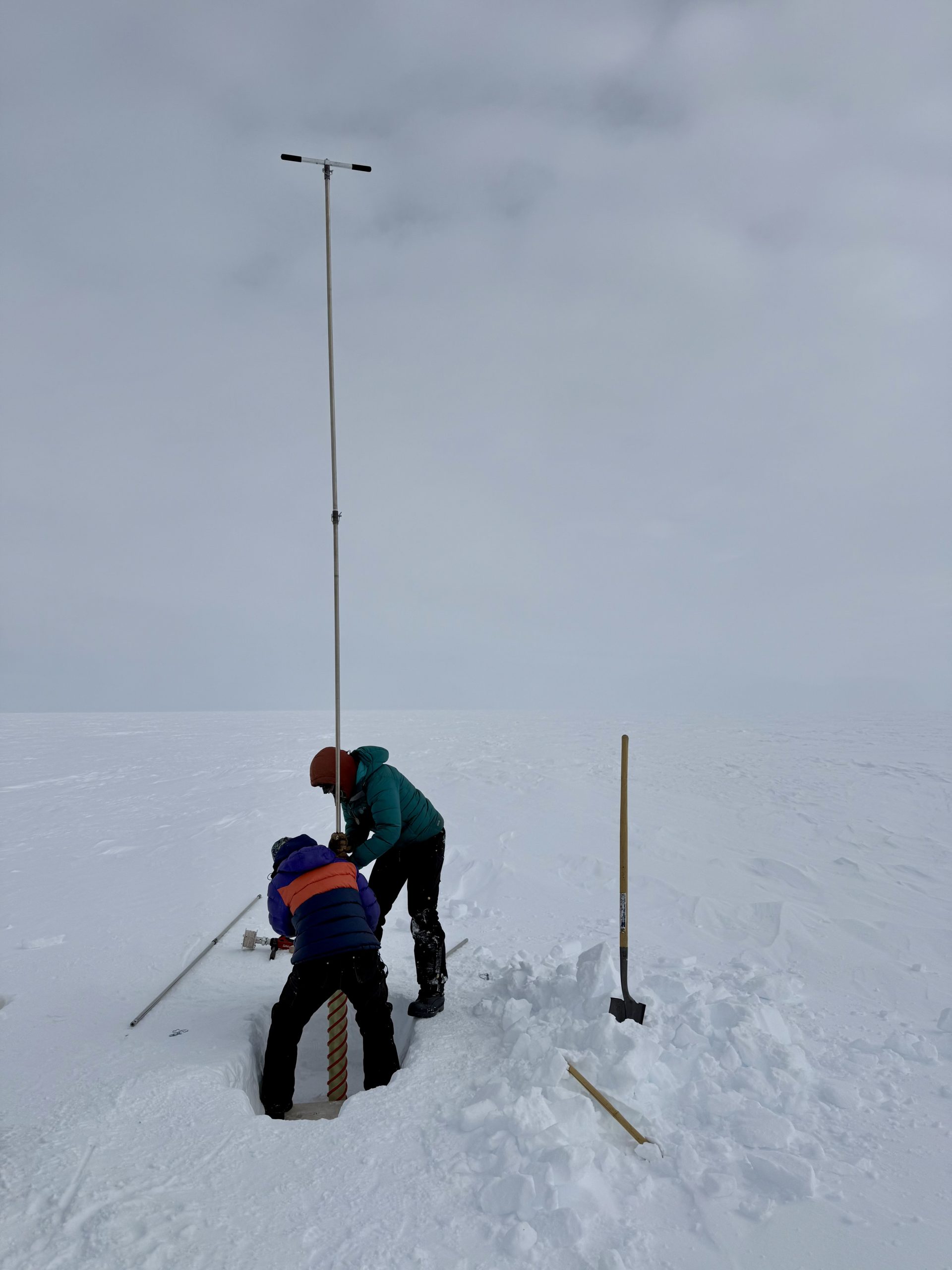
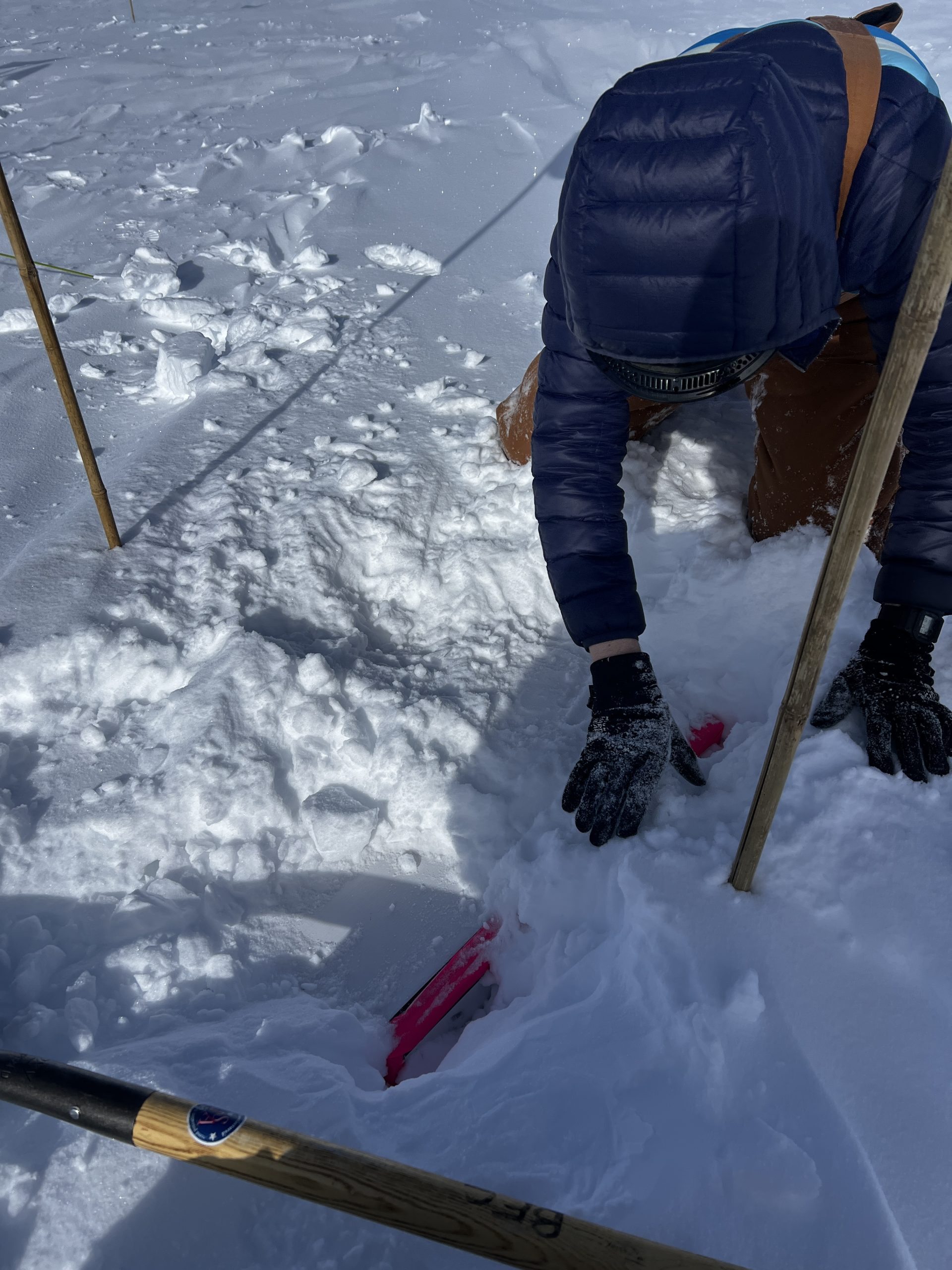
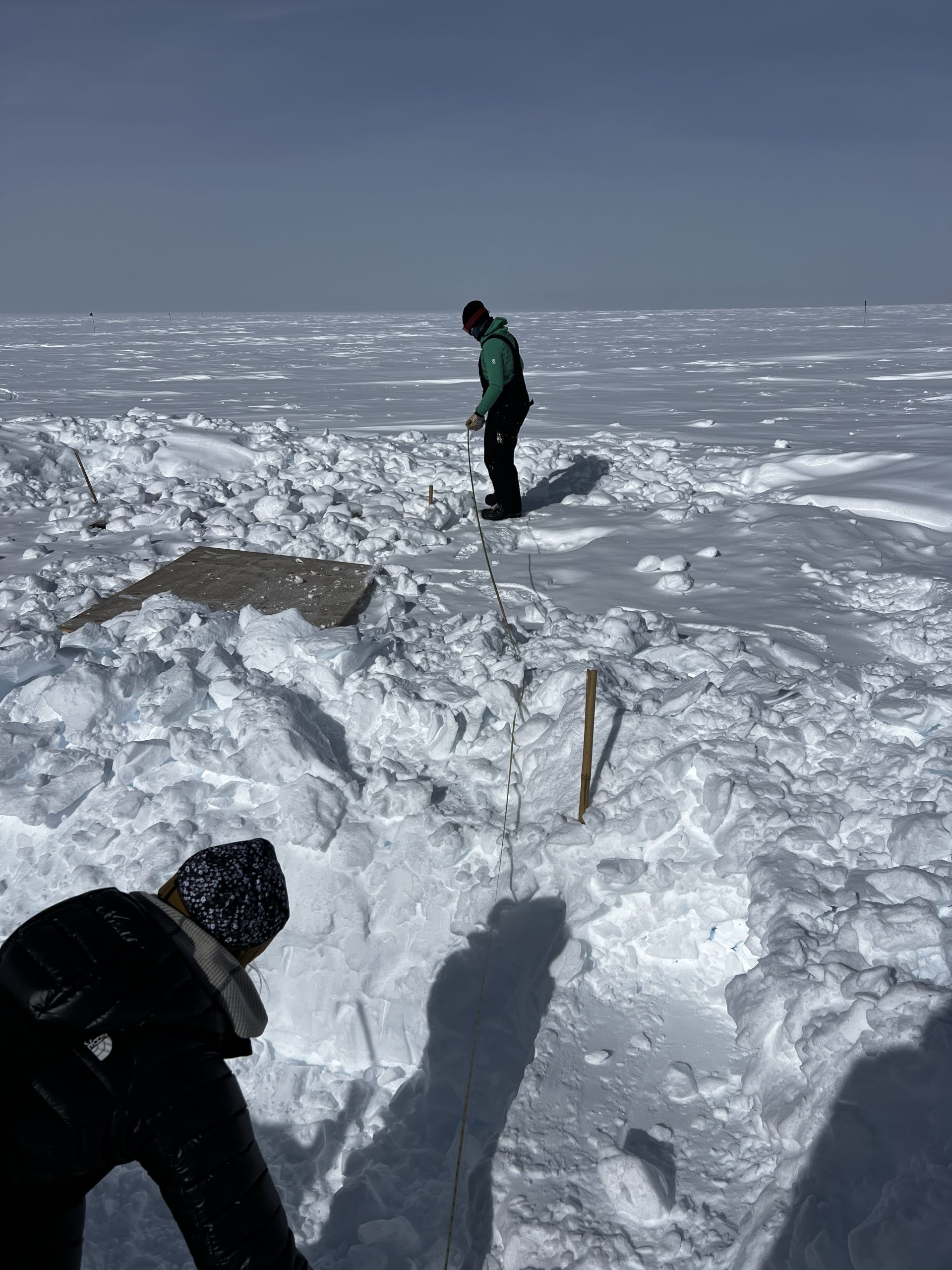
After this, Zoe, Ellen, and I created a strain grid of condiut (conduit is literally just a metal pole, not sure why that was a name that had to get thrown around b/c I was confused for a while). Anyway, the plan is to place one piece of condiut every 1/2 ice thickness. So, at the 8 cm site, the condiut pieces are plopped in the ground by yours truly every 450 m since the ice thickness is ~900 m. We’ll come back to these lovely metal poles and plop a GNSS on top for a couple of minutes to measure its precise location. In a few years, that precise location will have changed since ice has flowed and the people that come back to Taylor Dome can take new measurements. The amount of change of that metal pole will give us the localized ice velocity (direction and speed of ice flow). Zoe was driving beside us, GPRing, just in case she missed a crevasse in her previous surveys. None found!
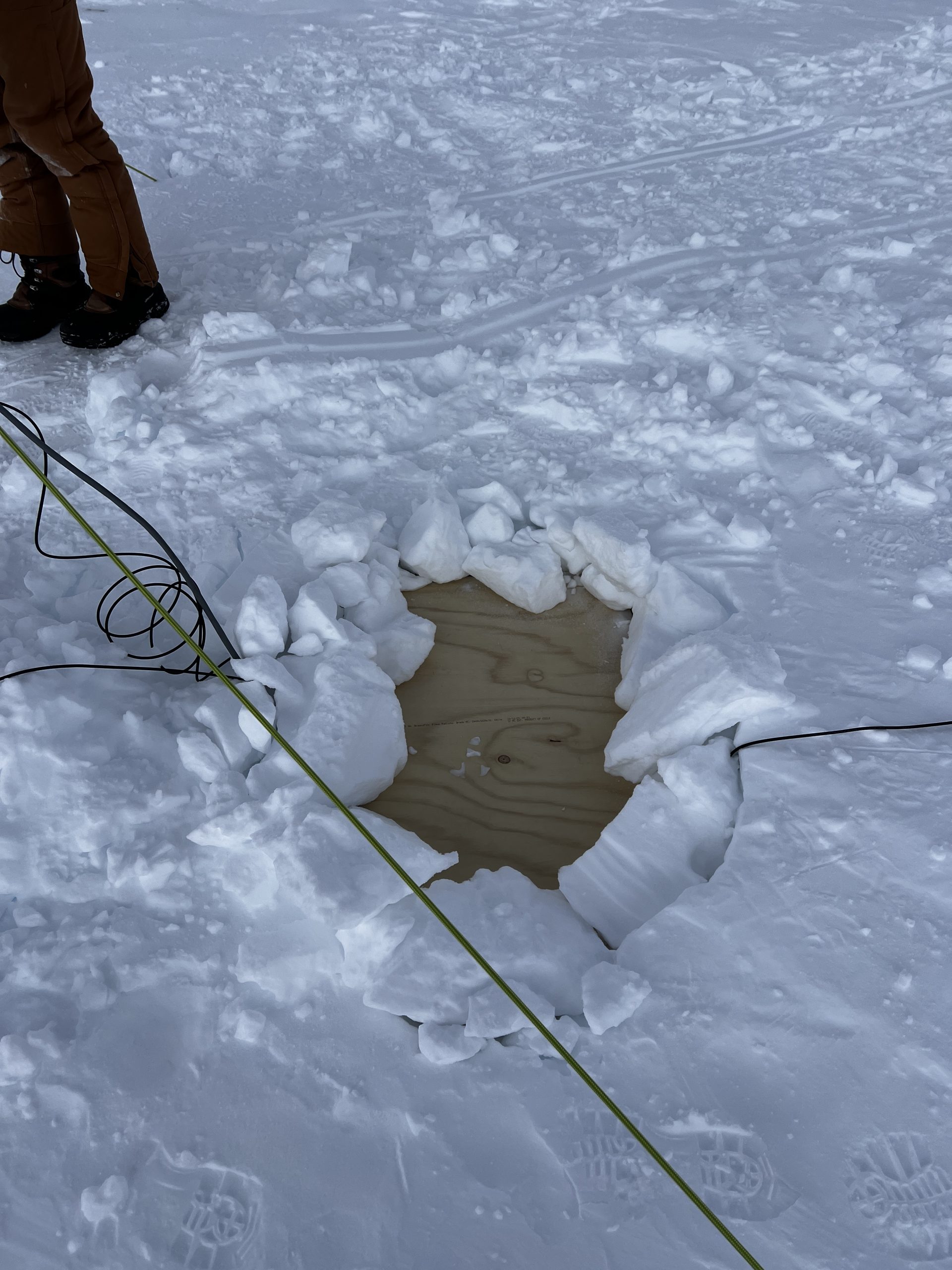
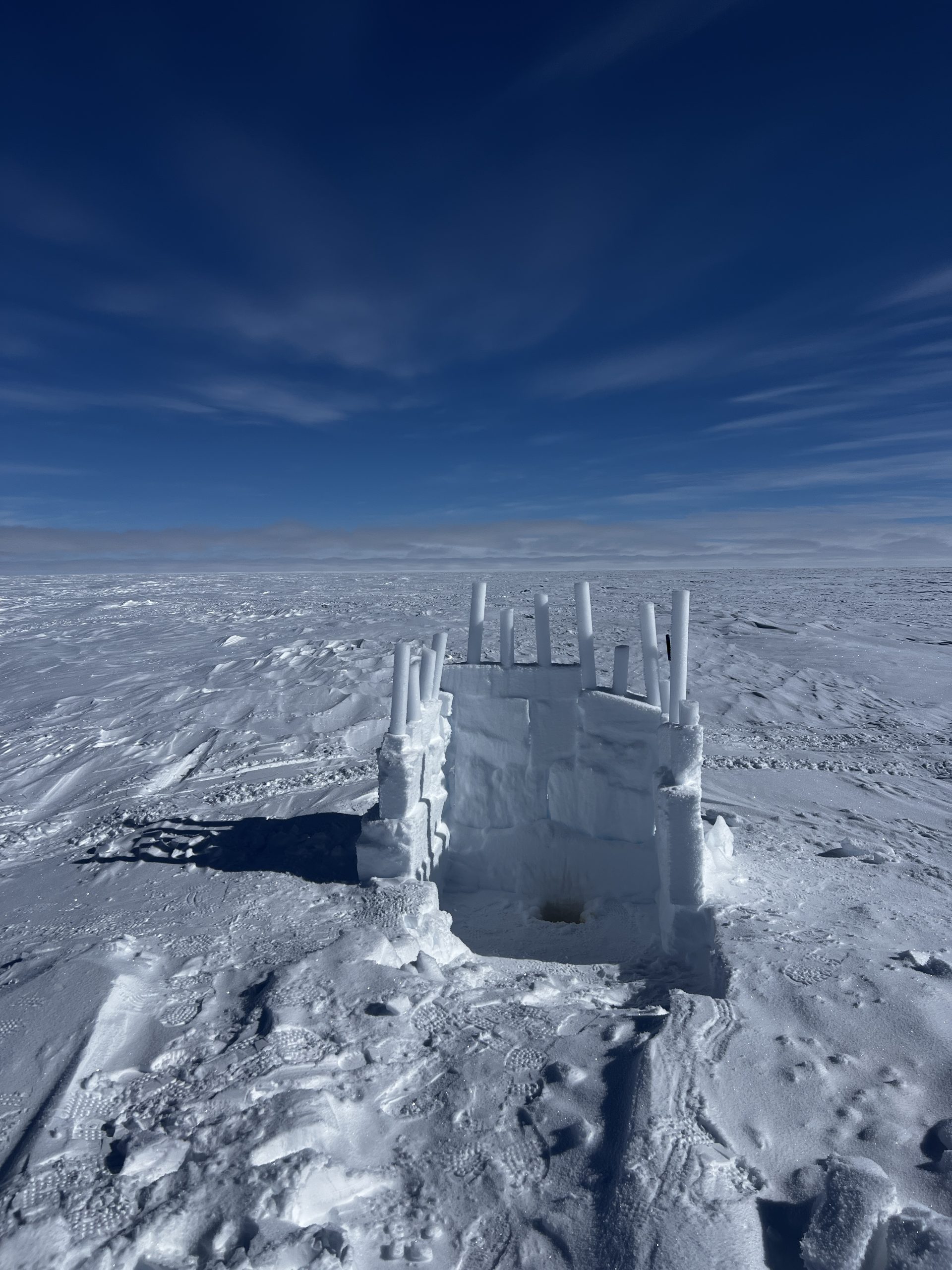
Next, we had to go back to the 8 cm ApRES site to repack the overwinter computer. Ellen said that we were like penguins building a nest while we placed snow blocks on top of plywood covering the trench that holds the ApRES computer and battery box.
We zipped back to camp for dinner at 6 pm which was burrito bowls and Oreo cheesecake made by Forest and Elliot!
Jan 2: Girlbossed too close to the sun
Today’s weather was a bit windy and overcast but the crew headed out despite the conditions. I woke up fatigued despite sleeping pretty well- it’s difficult to work 10-12 hour days of manual labor in Antarctica where you must always be bundled up and always on high alert.
Ellen and I headed to the 4 cm drill site to set up more ApRES measurements. Unfortunately, I grabbed the wrong ApRES cables (and we realized we might not have the correct ones on this continent…) and both of us forgot to pack the solar panel. So, the job out there is only halfway done. Plus, we were both feeling quite exhausted after working so hard these last couple of days. We can feel our backs getting tired and sore and there are bruises on our knees. However, Ellen and I have been making some super great progress and, if things continue to go well, (they likely won’t) we will get finished with every single goal. This is quite unusual when it comes to field work- some minds consider a successful field season to be one where 50% of the goals have been accomplished.
The weather took a turn for the worse and it became flat white light. This means that you can’t see any sastrugi or dunes. It’s incredibly difficult to drive, let alone walk since you could be coming up on an upward or downward slope and not know it until you’ve fallen. Ellen is a great driver and we made it back safely- I was being rocked to sleep on the back of the Ski-Doo. Our other teammates had a tough time getting back so I started making dinner since Ellen and I had been chilling in the kitchen tent. I managed to slip and fall into the meat pit and I’ll blame it on the flat white conditions, not my coordination and 15lb boots.
Besides some Ski-Doo mishaps and flat white light, drilling went super well (37 meters today!) and Dylen and Ilyse kept grinding on their temperature measurements and hand augering. We had pudding for dessert finally (it’s been buried deep in a box which has been buried deep in the snow).
Jan 3: Tired
Beautifully sunny weather today woohoo! It was a bit chilly this morning and I felt like I didn’t properly warm up which made me feel kinda cold all day.
Ellen and I headed out to grab a few campaign ApRES measurements and finish setting up the 4 cm overwinter site. During the campaign measurements, Ellen and I just kinda have to hang out while we wait for the computer to collect data for ~1 hour total. We stayed warm by walking around and eating snacks. We said hi to Zoe, Forest, and Elliot at the drill site who drilled a total of 20 meters today, despite the generator for the drill breaking.
I was absolutely zoinked after today so I went to sleep right after dinner. If the quality and/or length of each blog post are any indication of how tired I am…
Jan 4: At home
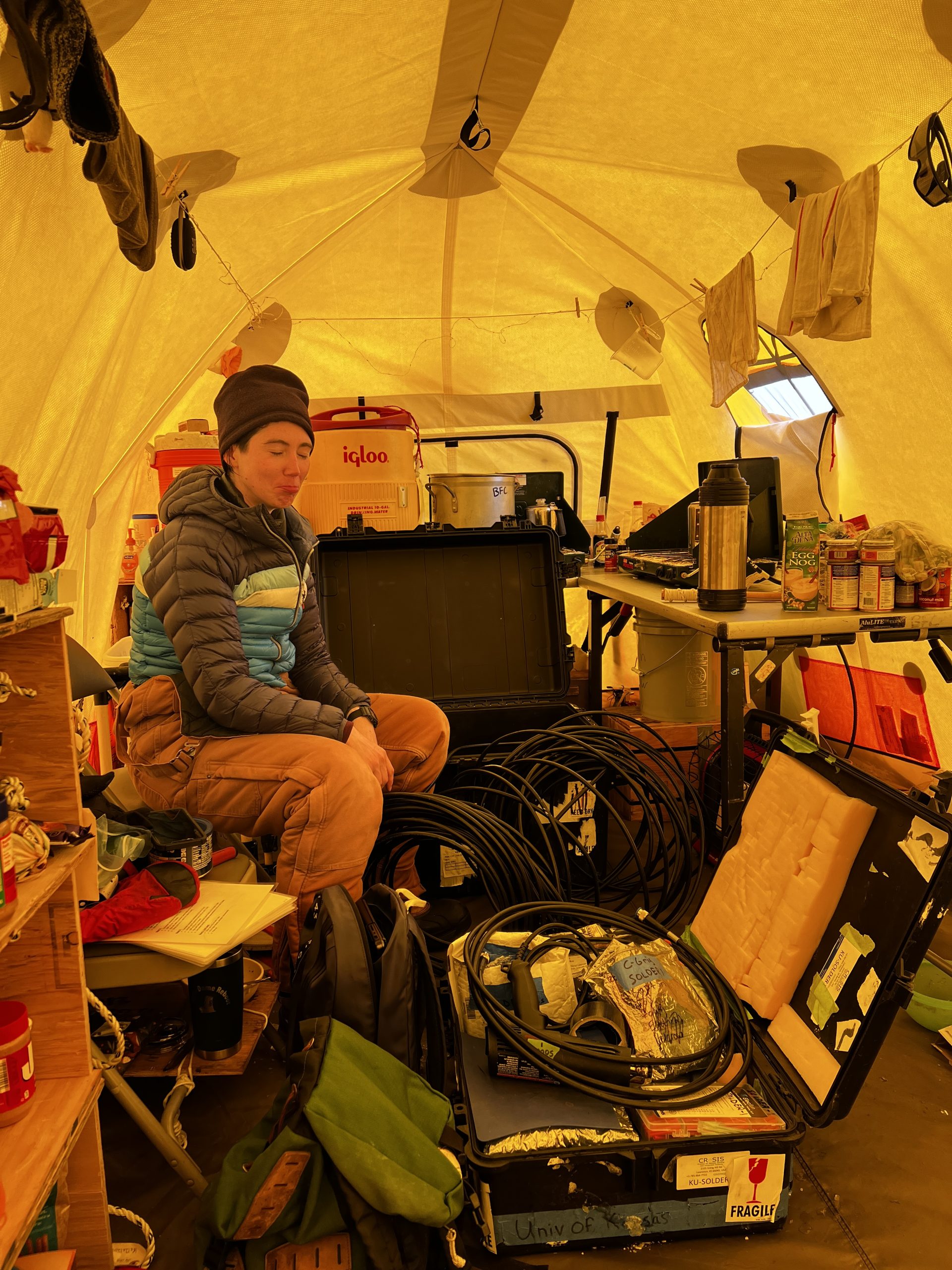
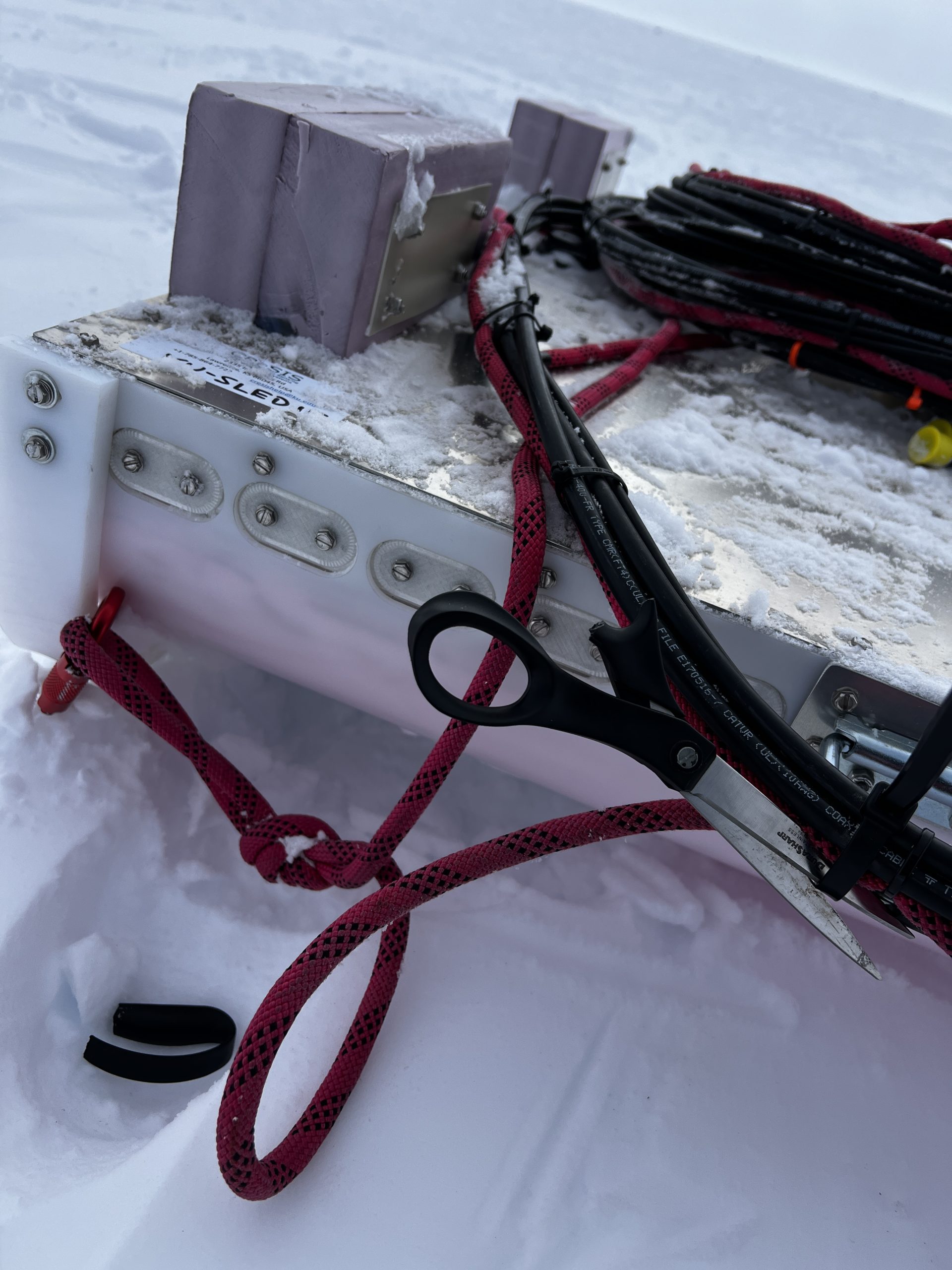
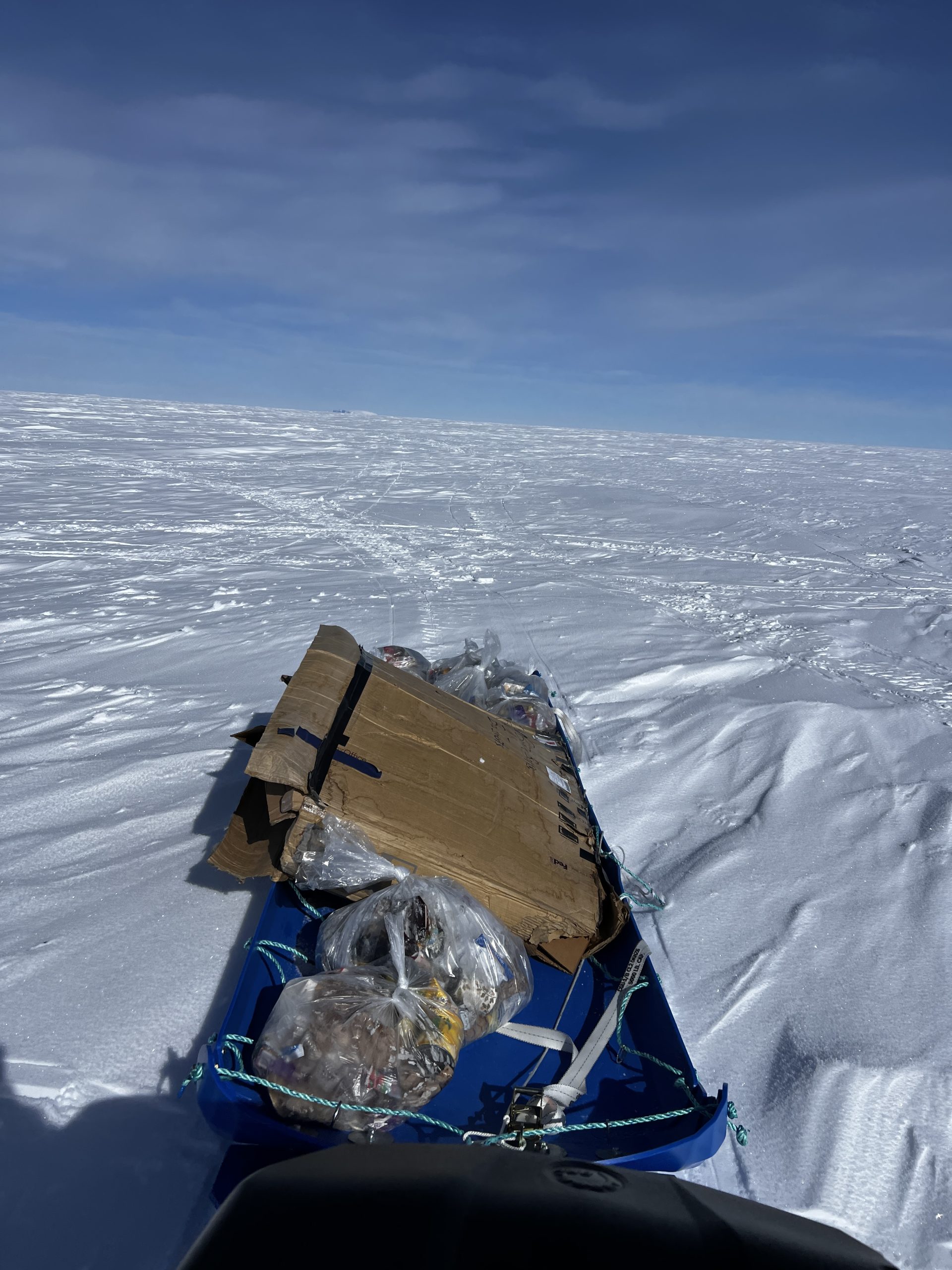
Ellen and I stayed at camp all day today to prep for our next outing. We decided to sleep in a bit (Ellen slept 13 hours, woohoo!) and tackle some camp tasks so we are ready to get out and do some more radar things tomorrow. Ellen spent most of the day in the tent heat shrinking 300 meters of coax cable together for the common midpoint surveys. I built the EAGER radar and tested some of the components. I also moved our cargo line (all by myself), organized the science tent, and sorted through the things Ellen and I might be able to send back on the next ice core flight (like empty boxes).
Meanwhile, Dylen and Ilyse hand augered 6.5 m at the 8 cm site and installed a strain gauge into an 8 m deep borehole. They had the help of the FAST team – Naomi dug an enormous pit (“battery coffin”) to put the battery boxes into and Mary helped with hand augering.
Forest and Elliot cored 35 m of material that would be thrown out so the coring didn’t have to be perfect since the cores won’t be saved. They moved the drill to the next hole (which takes a long time since it weighs ~1000 lbs and they need to dig a 1.5 m trench).
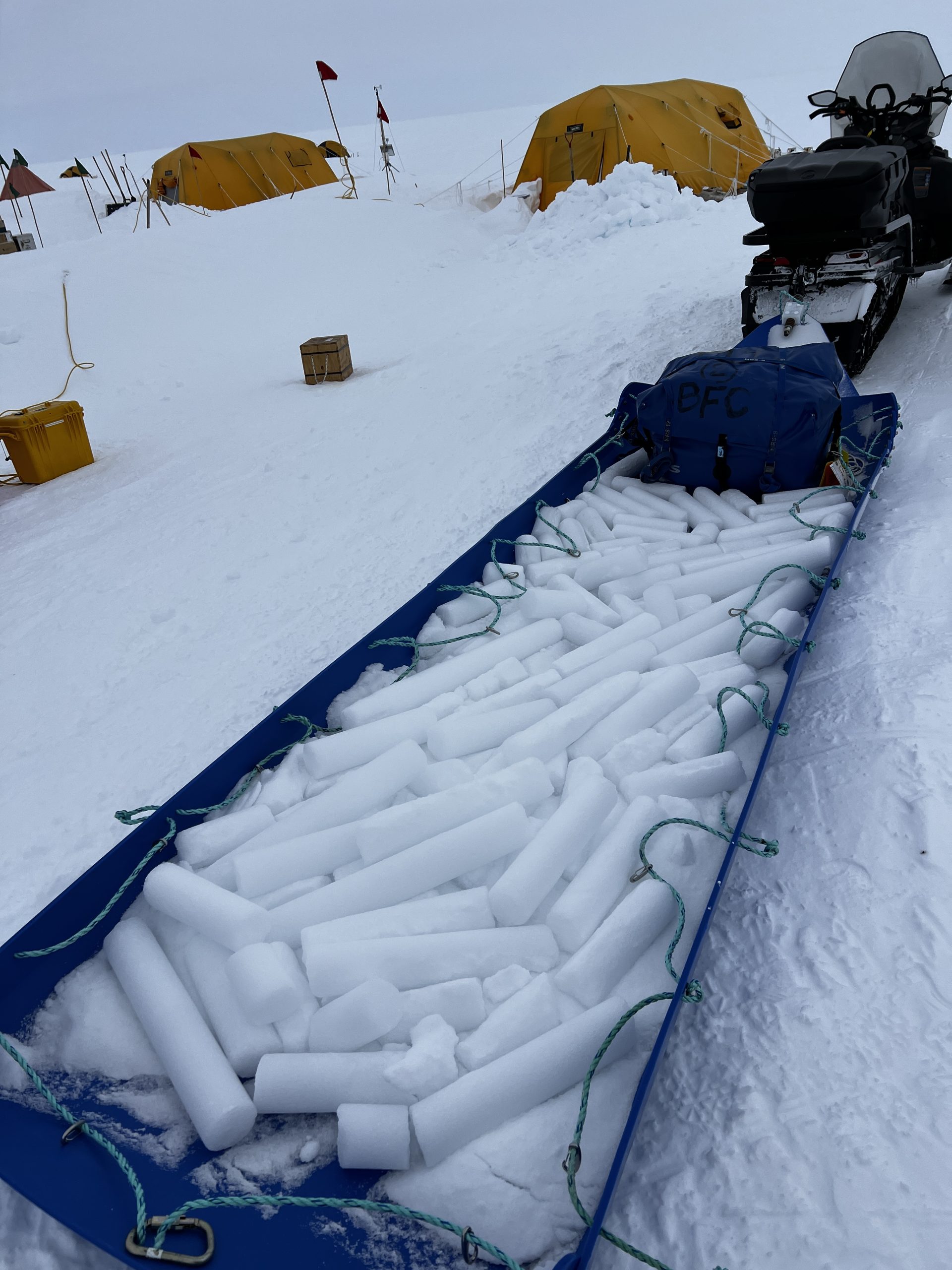
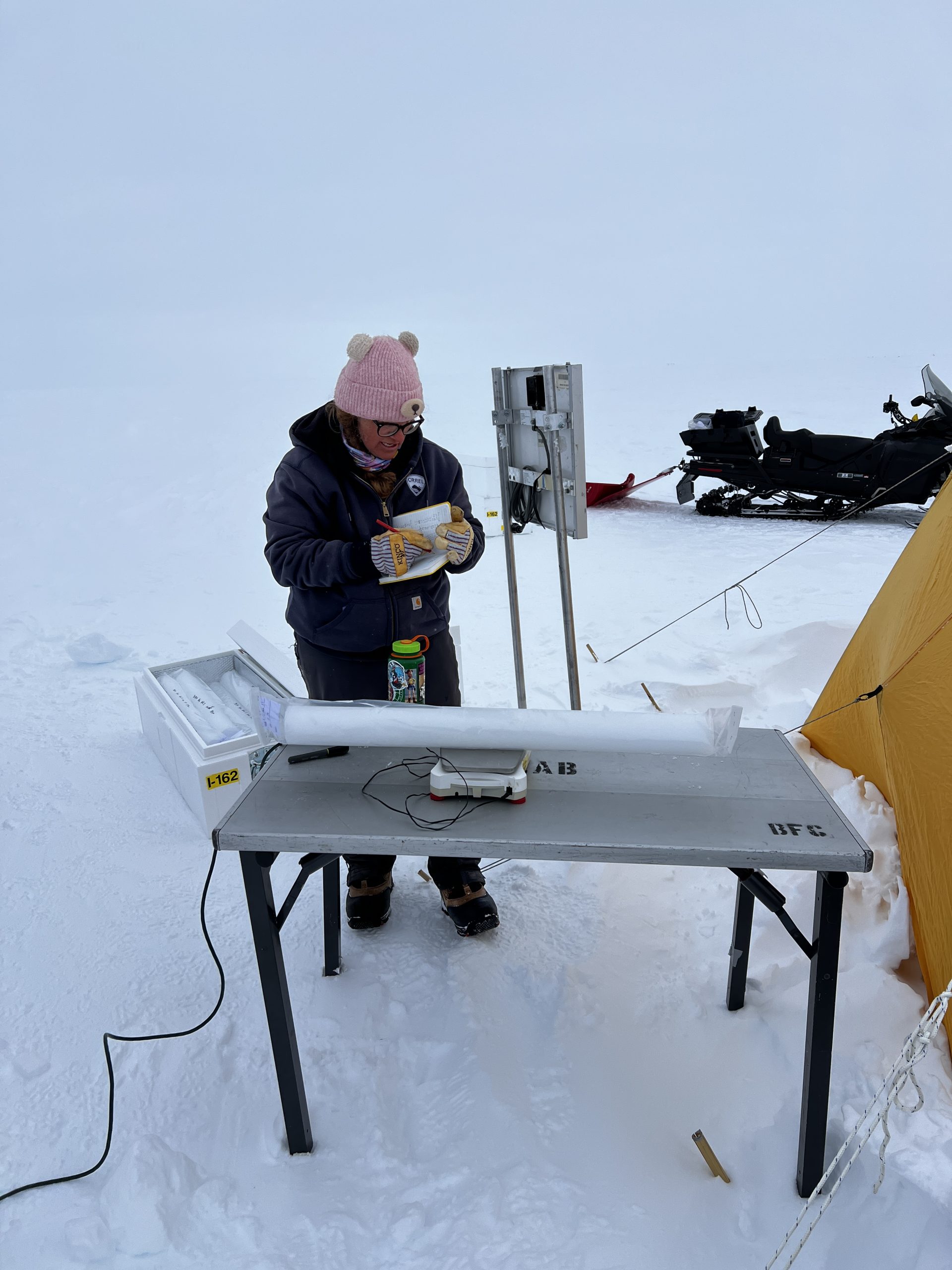
Zoe shuttled cores back and forth all day from the 8 cm site, bringing them back to camp to weigh them to take density measurements.
Jan 5: It’s going on the blog
Today was a bit chilly (-22º C?) but nice and sunny! Forest made some lovely pancakes this morning to feed the team before we all headed out to our respective sites.
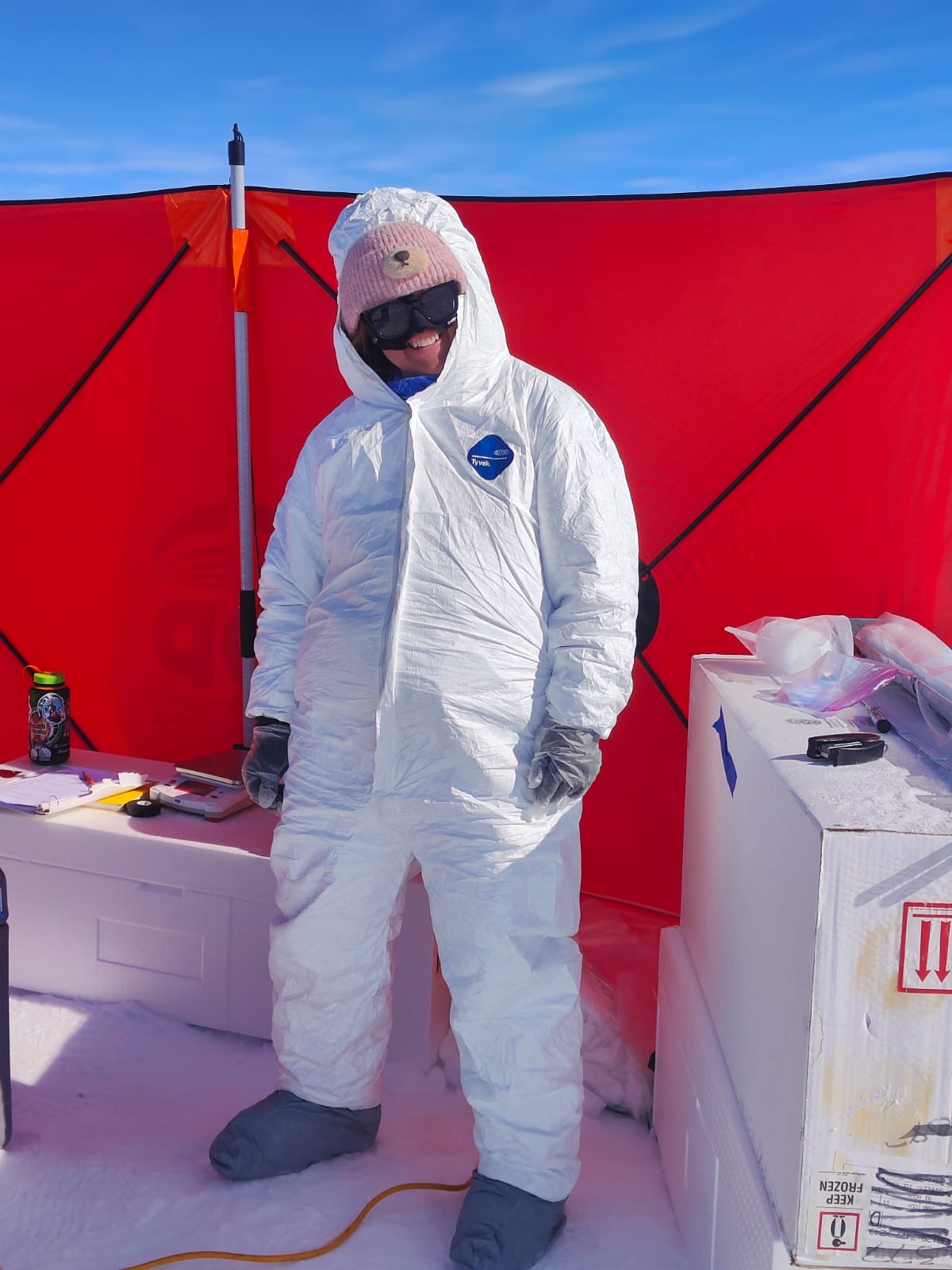
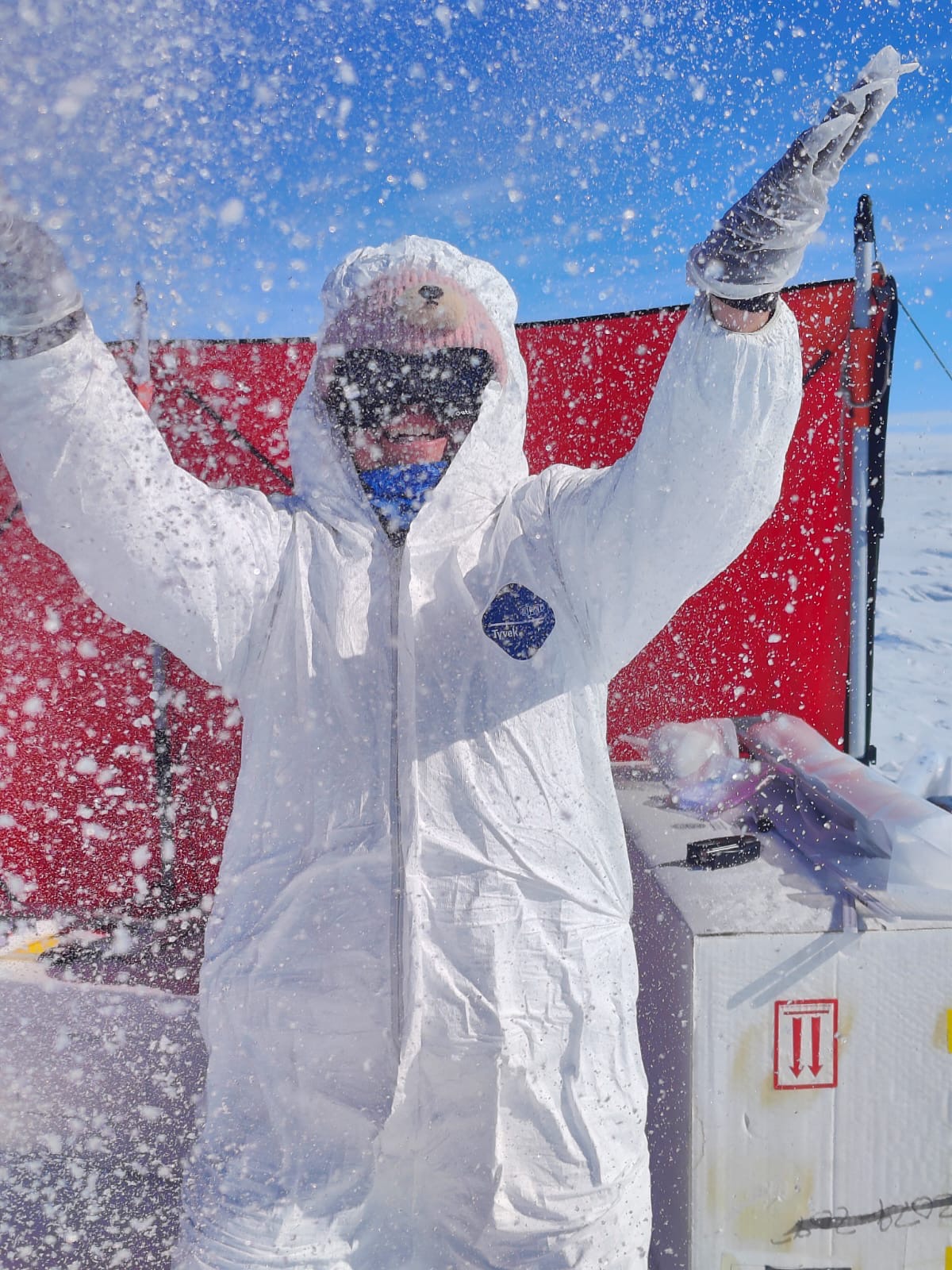
Forest, Elliot, and Zoe went to the 4 cm site to drill the chemistry core! The chemistry core is a core that must be treated with some extra respect – Zoe had to wear a Tyvek suit to make sure that she didn’t contaminate this particular core. This core will be measured using Continuous Flow Analysis (CFA), where the core’s chemistry makeup will be analyzed. Forest and Elliot got a kick out of Zoe wearing her silly suit.
Dylen and Ilyse installed another strain gauge into the 77 m hole at the 8 cm site and troubleshooted other strain gauges that were acting up. They also hand augered down into their 13 out of 15 meter hole!
Ellen and I took an ApRES campaign measurement and reoriented the 8 cm overwinter site. We figured out that the overwinter sites were slightly misoriented and needed to be rotated by ~90º so we reluctantly did that. Yay, science… It wasn’t actually that bad. We visited Ilyse and Dylen, stood in the impressive battery coffin, and bothered them for a minute before taking another campaign measurement. We then came back to camp to prep the enormous battery box, build a solar panel, and quality check our ApRES data from the past few days.
Sidenote: Campaign measurements
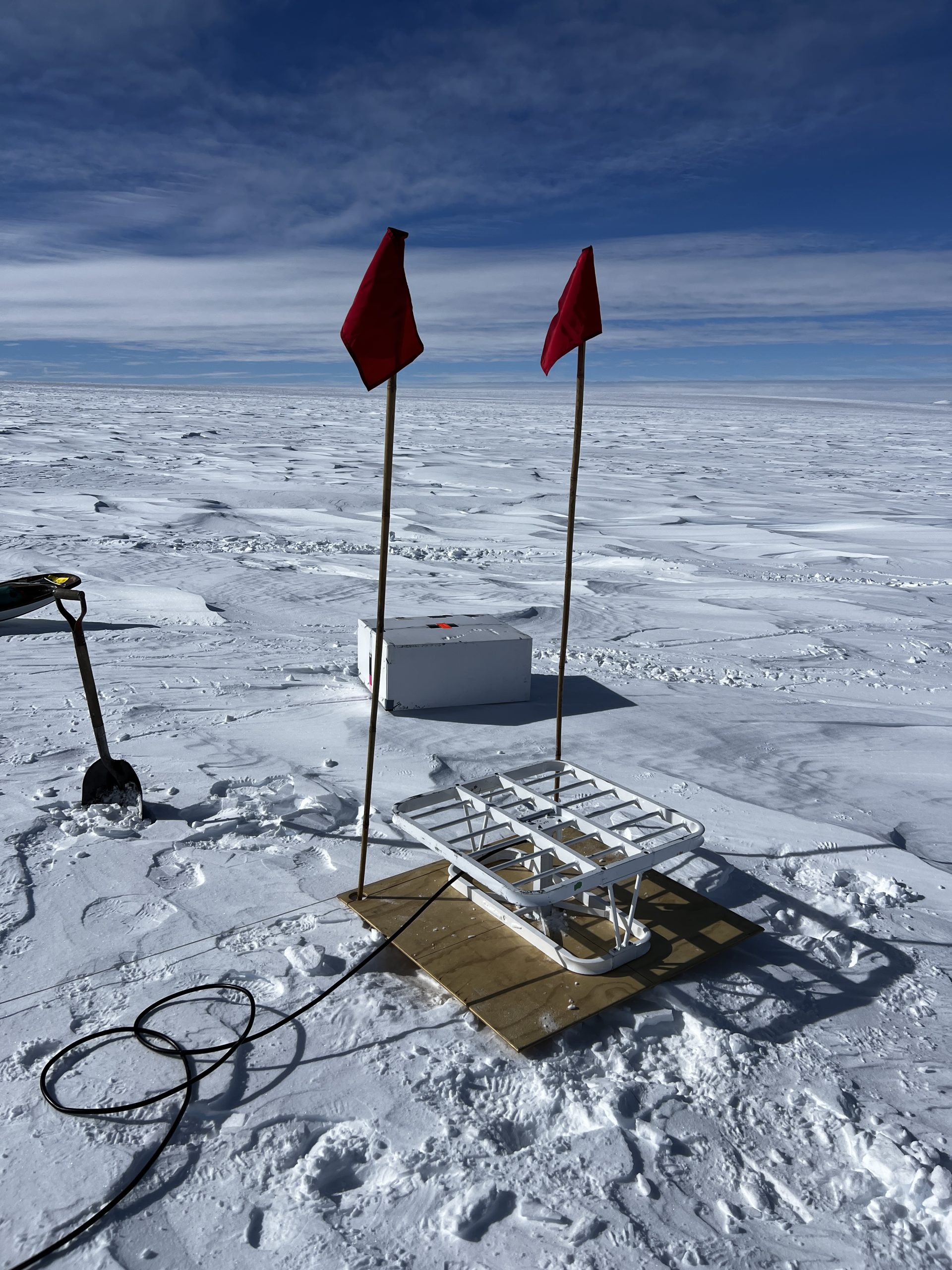
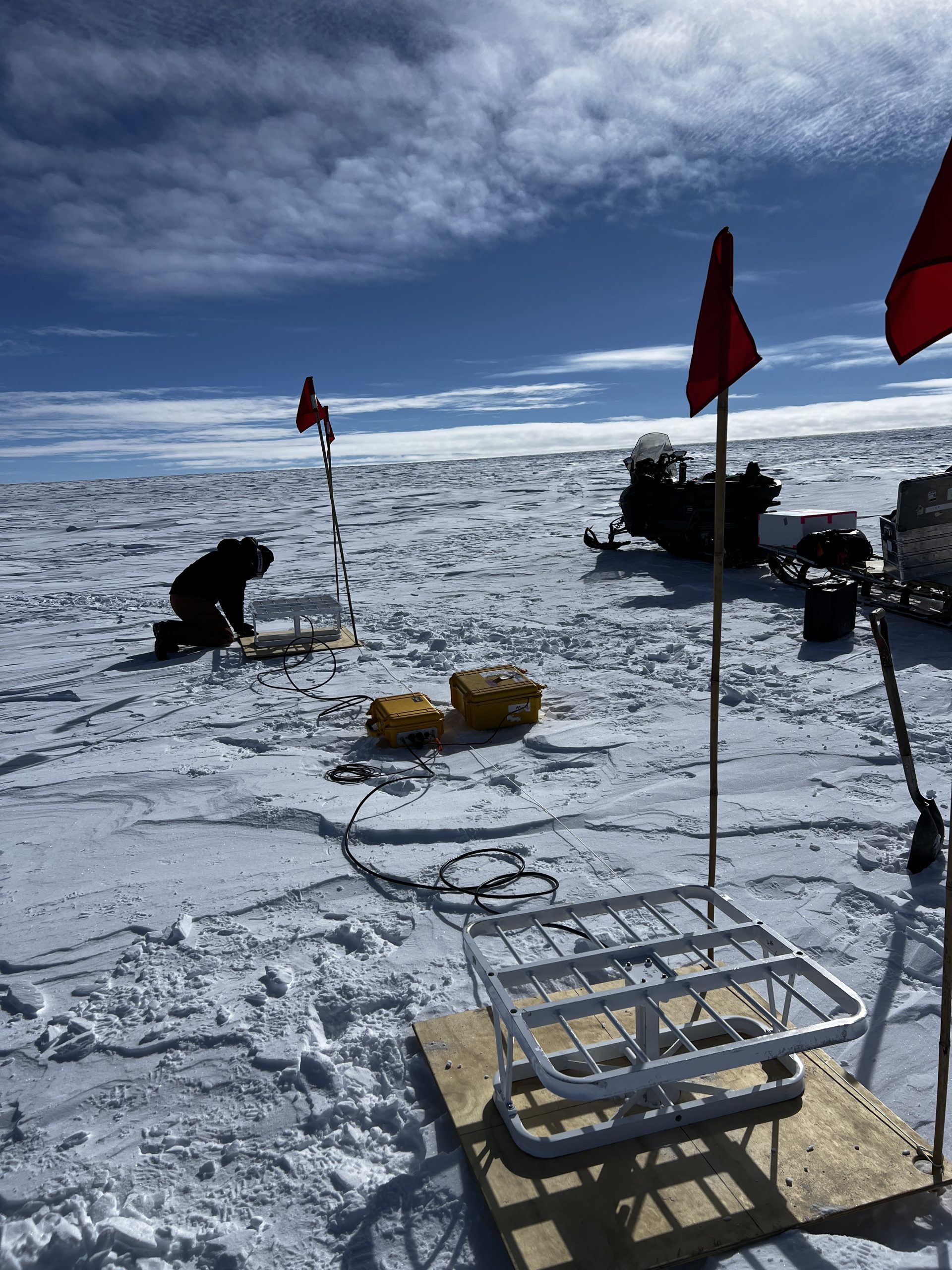
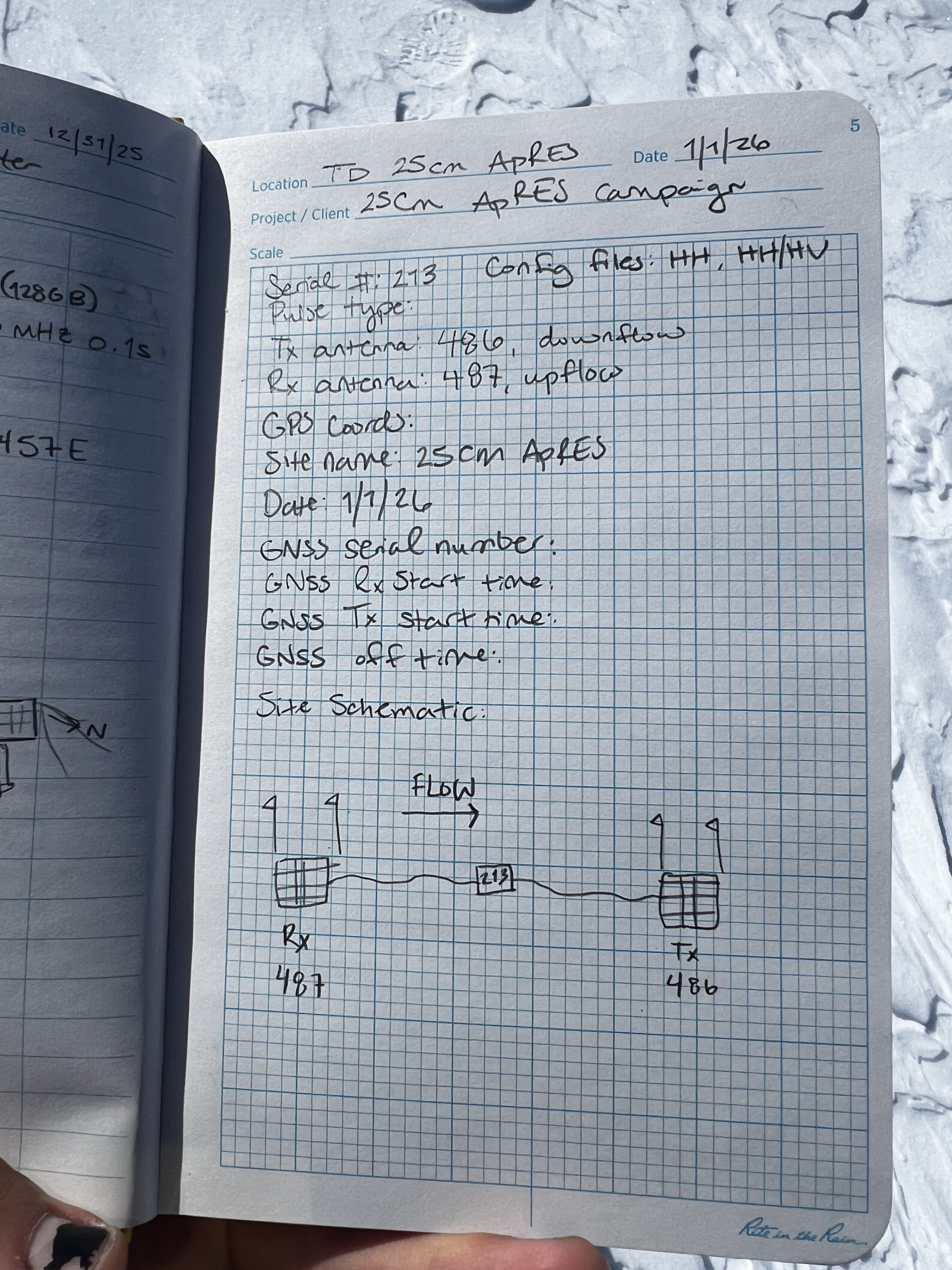
The campaign measurements that Ellen and I are taking require some precision that is not always possible in the field. Ellen and I have calculated the ice flow direction to determine which way to orient the antennae so we are consistent. We orient the survey in the downflow direction by walking with a GPS and sticking flags in a line that marks the flow direction. The transmitting antenna goes downflow and the receiving goes upflow.
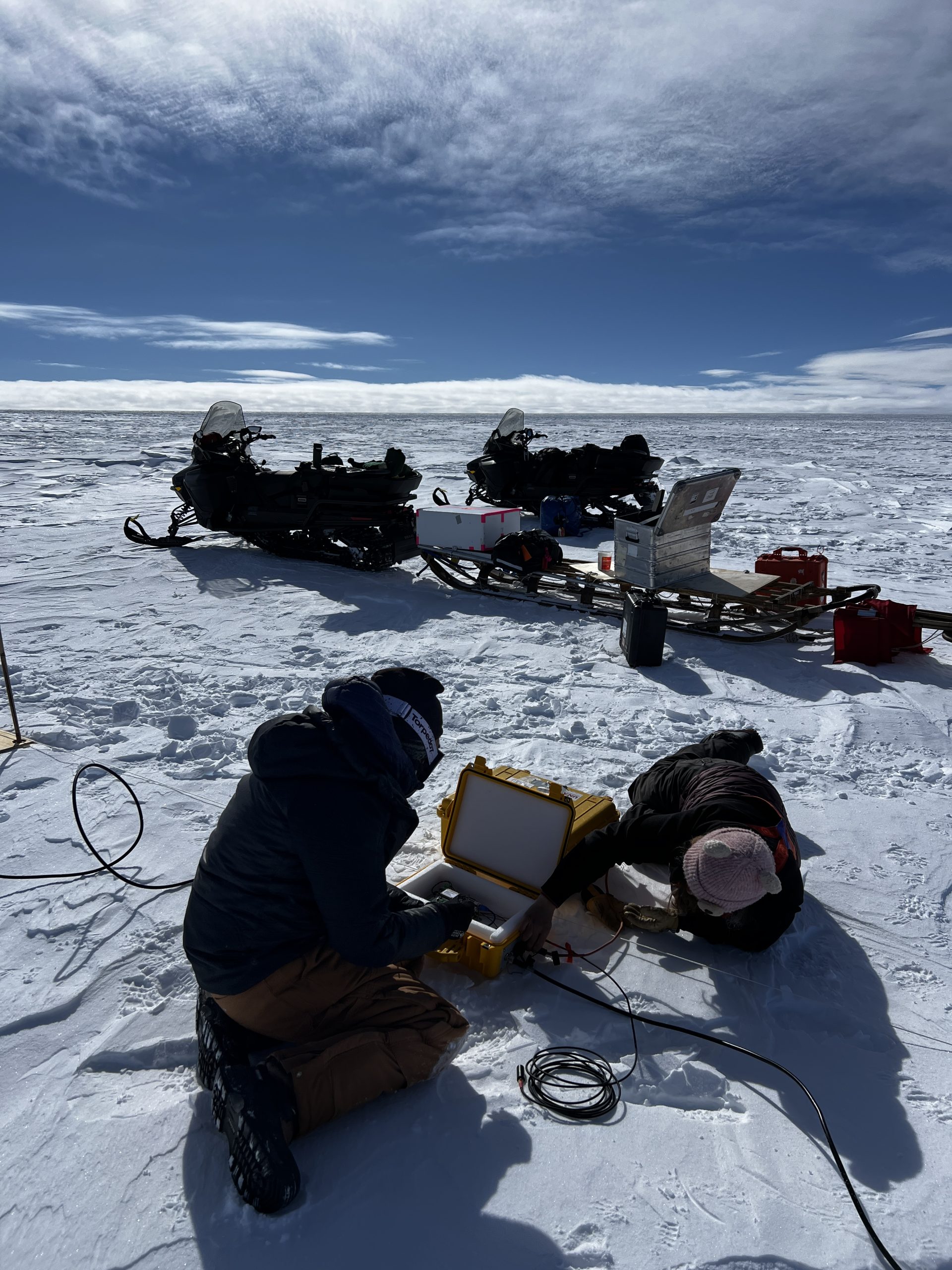
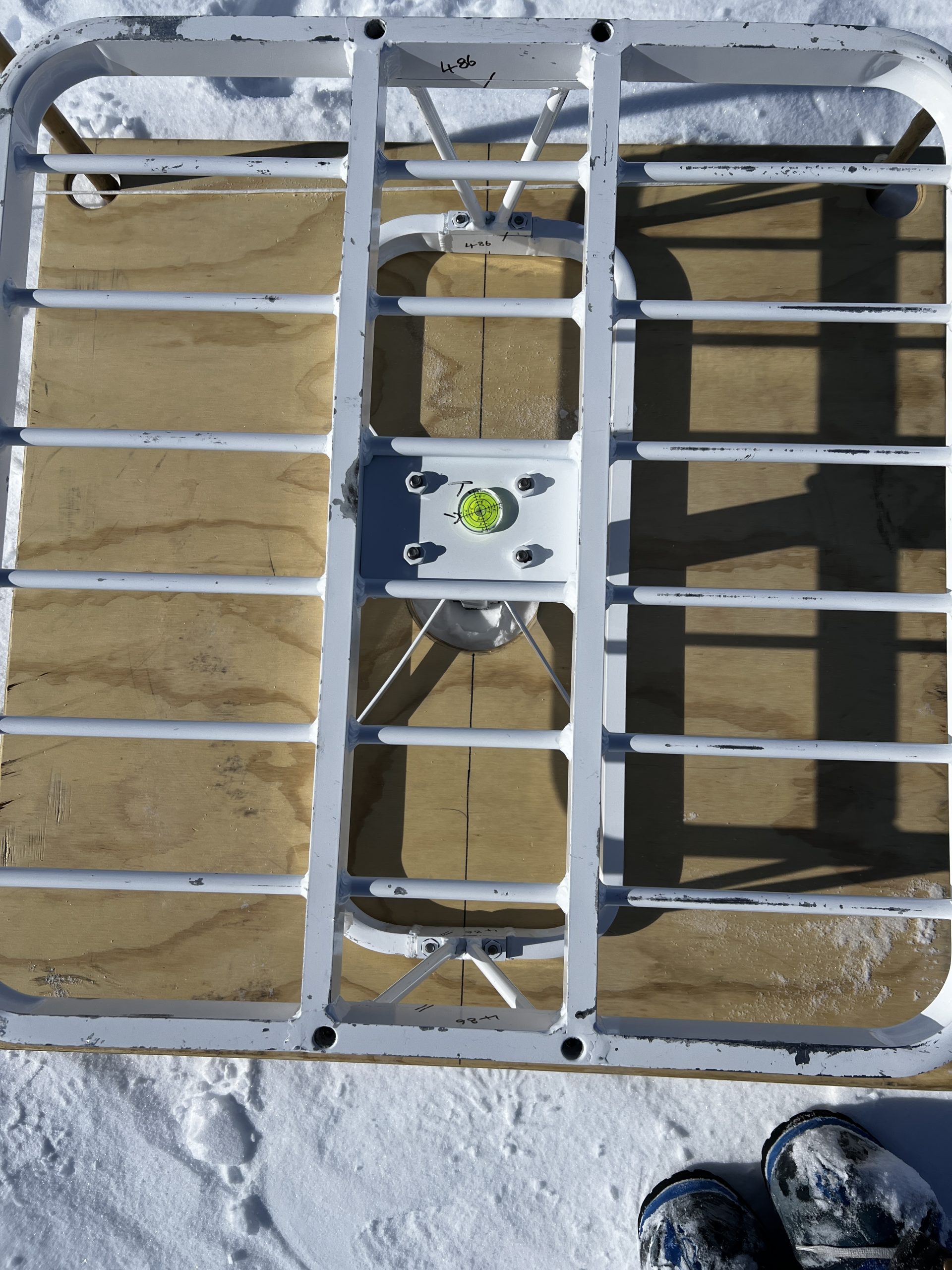
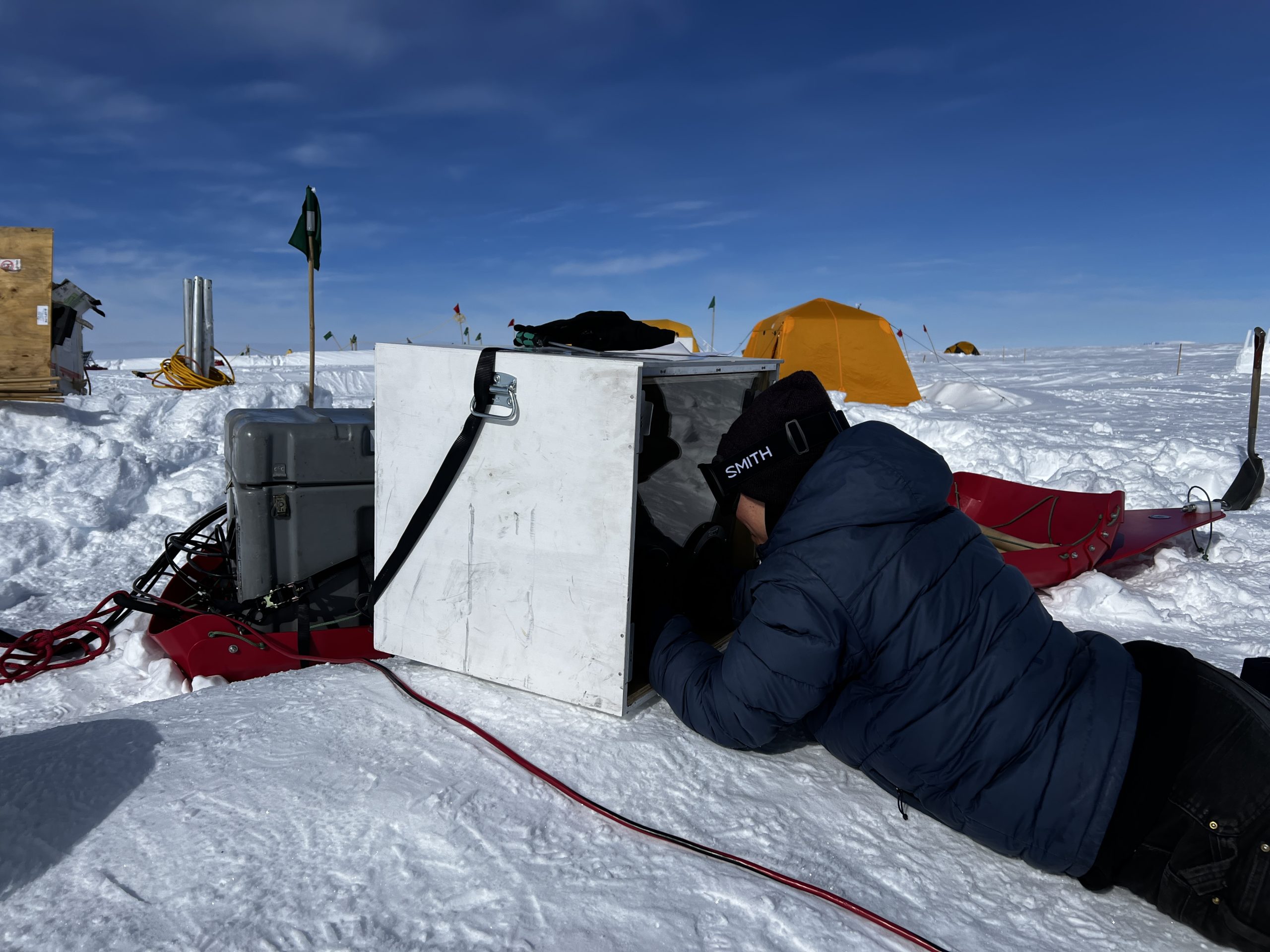
Ellen and I draw a site schematic and take detailed notes about timing for precise GNSS measurements, ApRES computer on/off times, and serial numbers for computers and antennae. We make sure the antennae are level and use the specially-made-by-McMurdo-carpenters plywood to plop the flags and antennae in them. After everything is set up, plugged in and ready, Ellen and I turn on the ApRES computer for 30 minutes for an HH acquisition. This means that the antennae are oriented in the horizontal direction. Next, HV, where we rotate the receiving antenna clockwise 90º, then VV where we rotate the transmitting antenna by 90º counterclockwise. With these rotations, we can see different angles of the firn microstructure. When we’re done, we remove all equipment except for the flags so that whoever comes back in 1-2 years knows exactly where to place the boards and therefore the antennae.
Tomorrow, we’re expecting a flight that will bring some science equipment and take away some ice core boxes that Zoe has been prepping. Ellen and I have been waiting for a GNSS base station to arrive on a flight so we can move forward with radar activities.
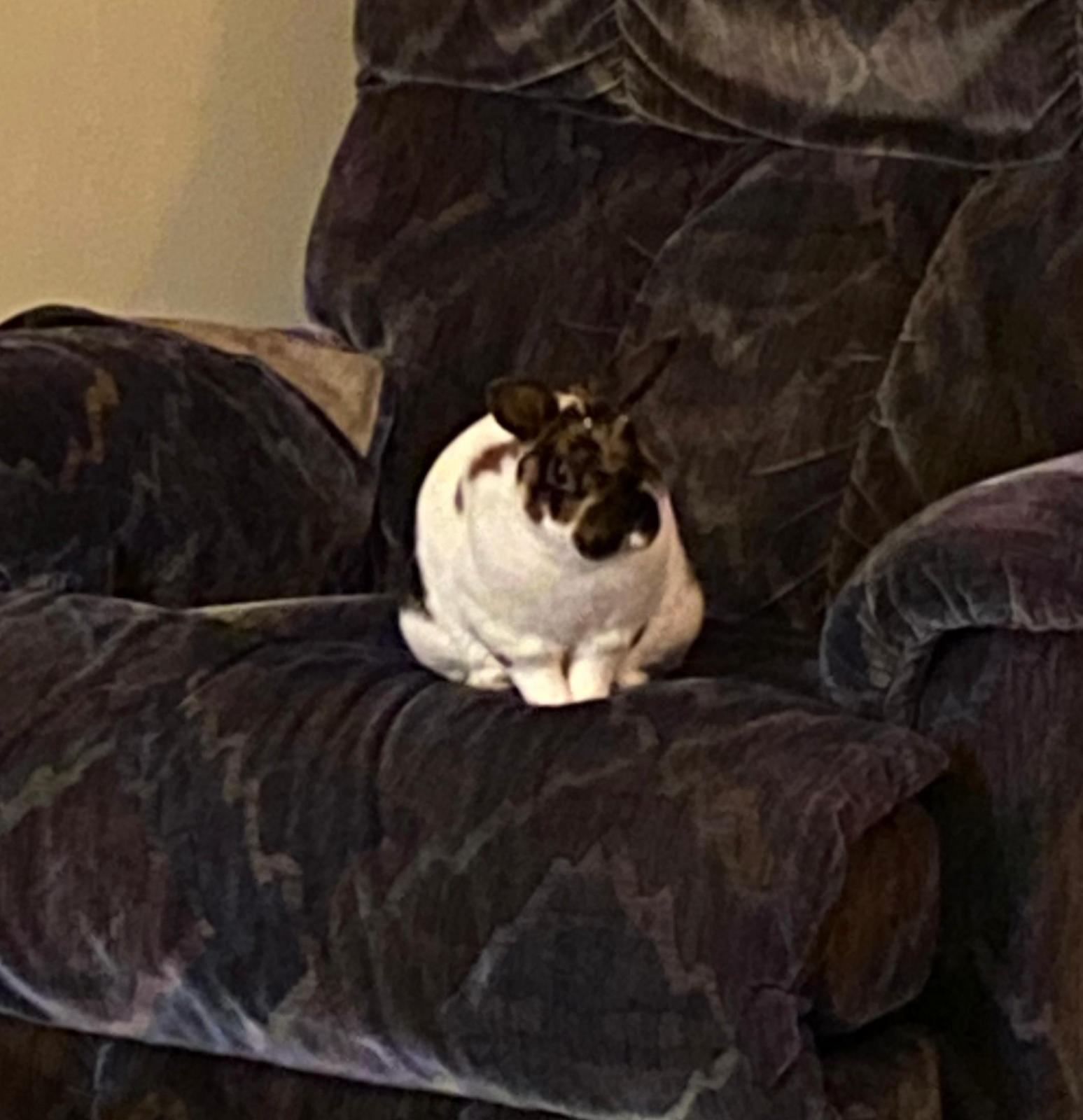
Forest cooked dinner tonight – steak, fish, mashed potatoes, and broccoli. We had chocolate pudding for dessert, of course. Forest showed pictures of his lovely house, which he painted red recently and Elliot sent pictures of his rabbit, Sneffles, sitting on his chair. It’s going on the blog, Elliot.
Jan 6: Plane!
Today was a warm, beautiful, sunny day during which the team hung around camp for a while. Dylen and Ilyse had a much-needed sleep in day and hung around camp in the morning. We had bagels with questionable cream cheese for breakfast. Ellen and I met with Knut to ask him questions about our radar logistics. Ellen, Dylen, Ilyse, Zoe, and I prepped for the ice core flight coming later today (which, of course, got delayed).
Forest and Elliot headed to the 8 cm site to deal with a finicky hand auger then stopped by camp for lunch. After distracting me during lunch, they headed to the 4 cm site to work on the chemistry core with Zoe.
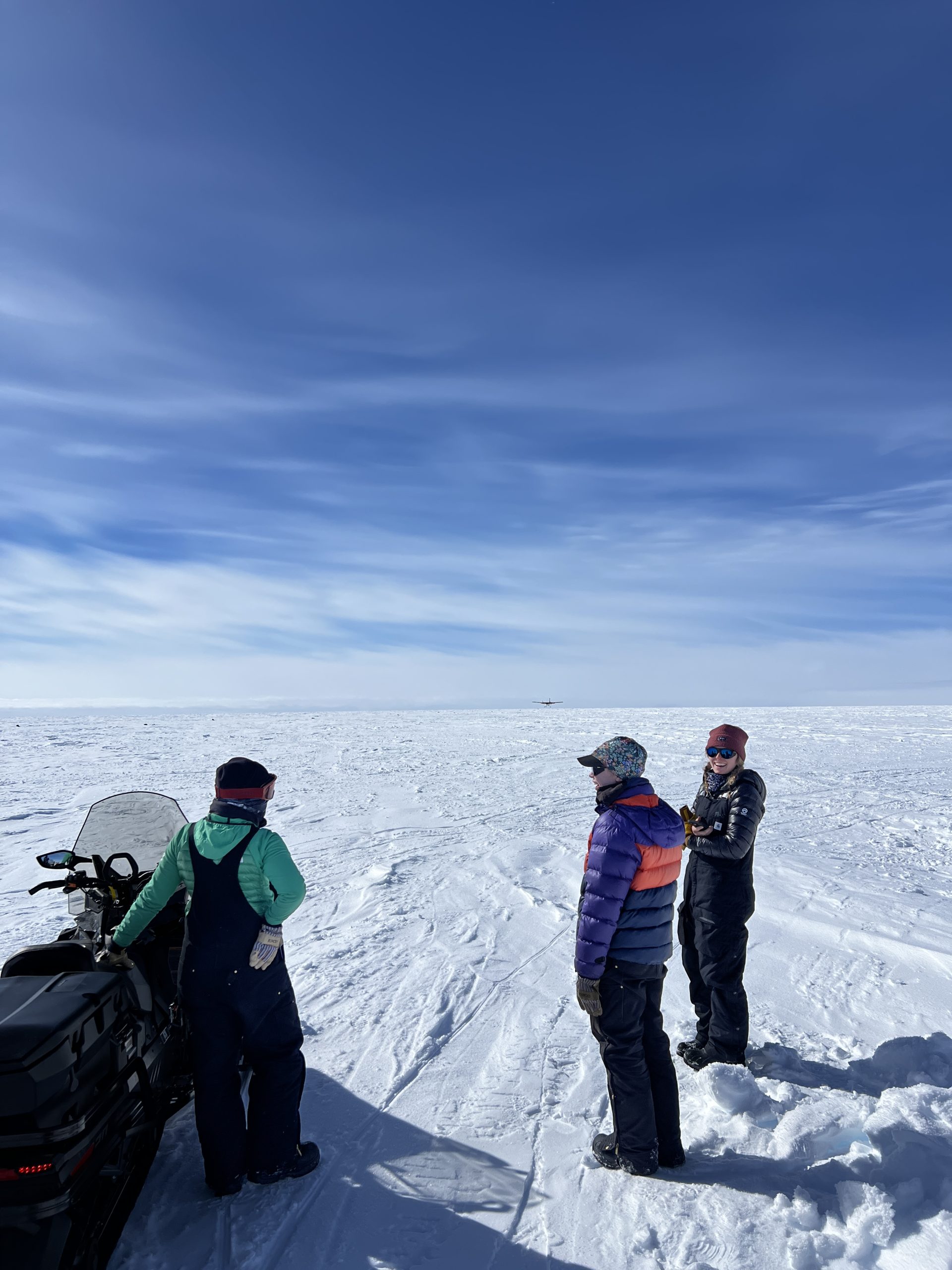
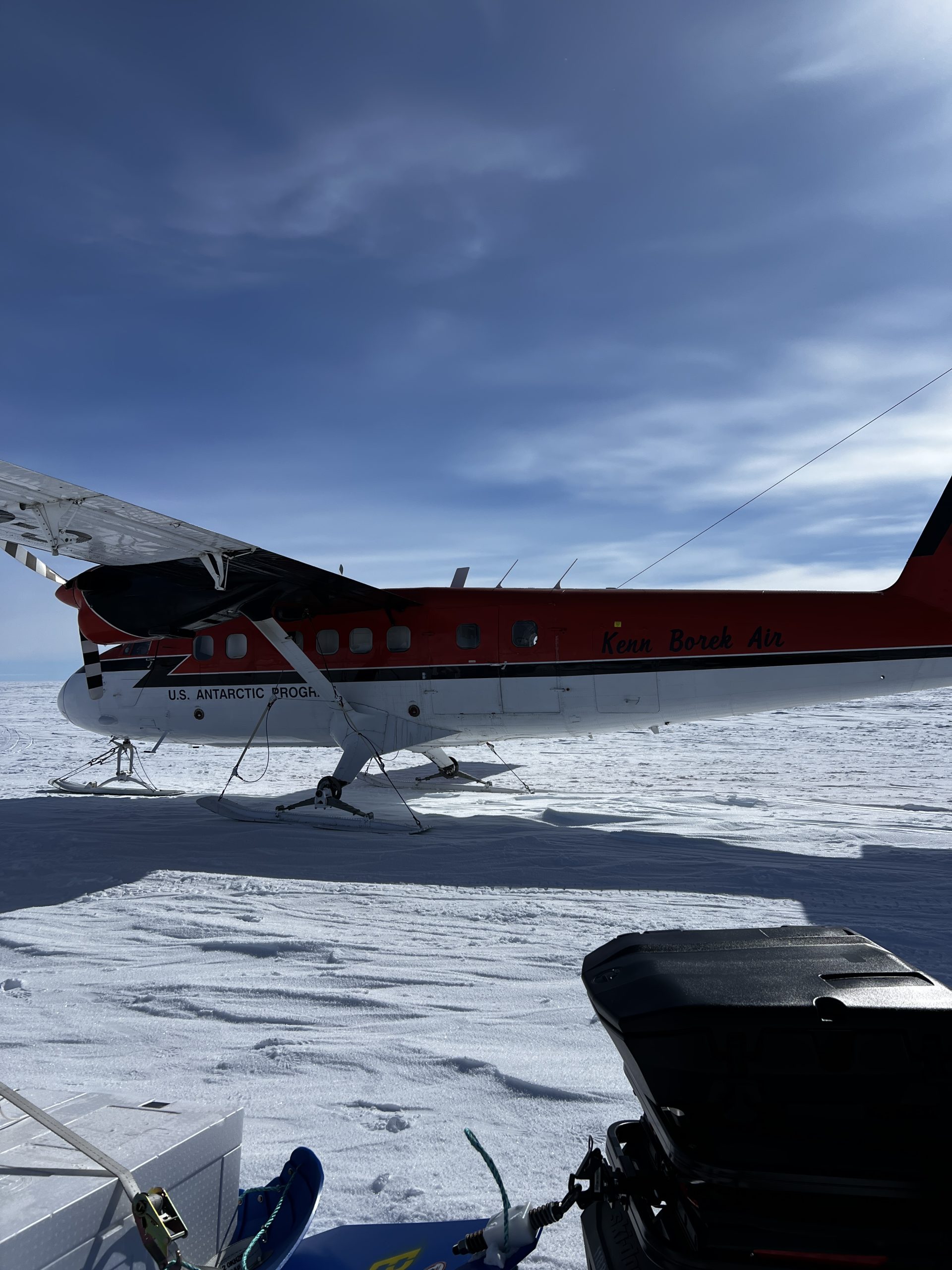
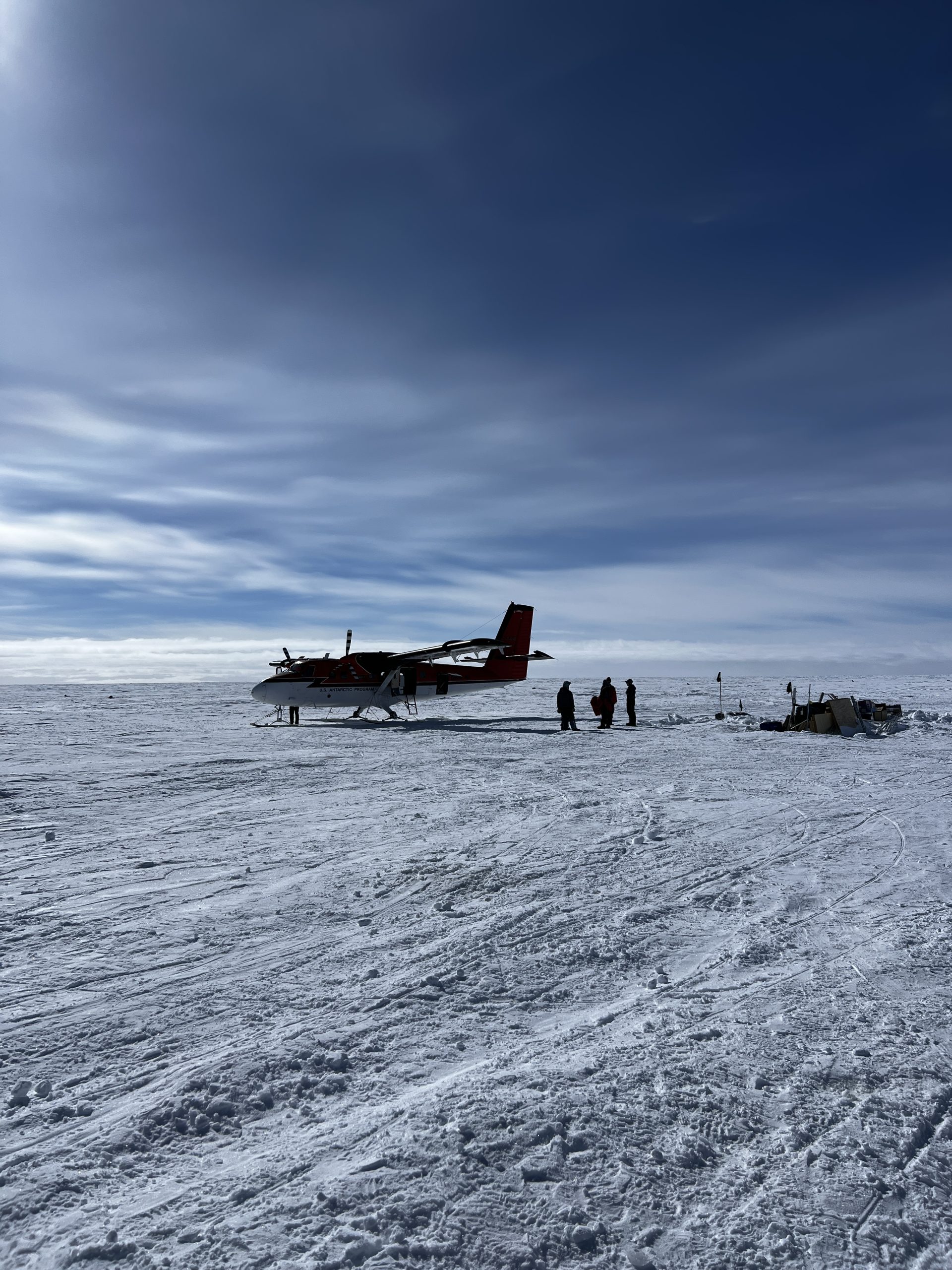
Dylen and Ilyse installed their last strain gauge at the 8 cm site and headed back here around 2 pm to receive the flight. We got another 500 lb battery box (yay…), a can of mogas, lots of ice core boxes, our alcohol order that we had all put in over a month ago, and a GNSS base station. We also received Martha – a FAST team member who will be here for a few days. On the flight was also an ice core escort – basically a boondoggler coming to visit for the day and say hi to the FAST team!
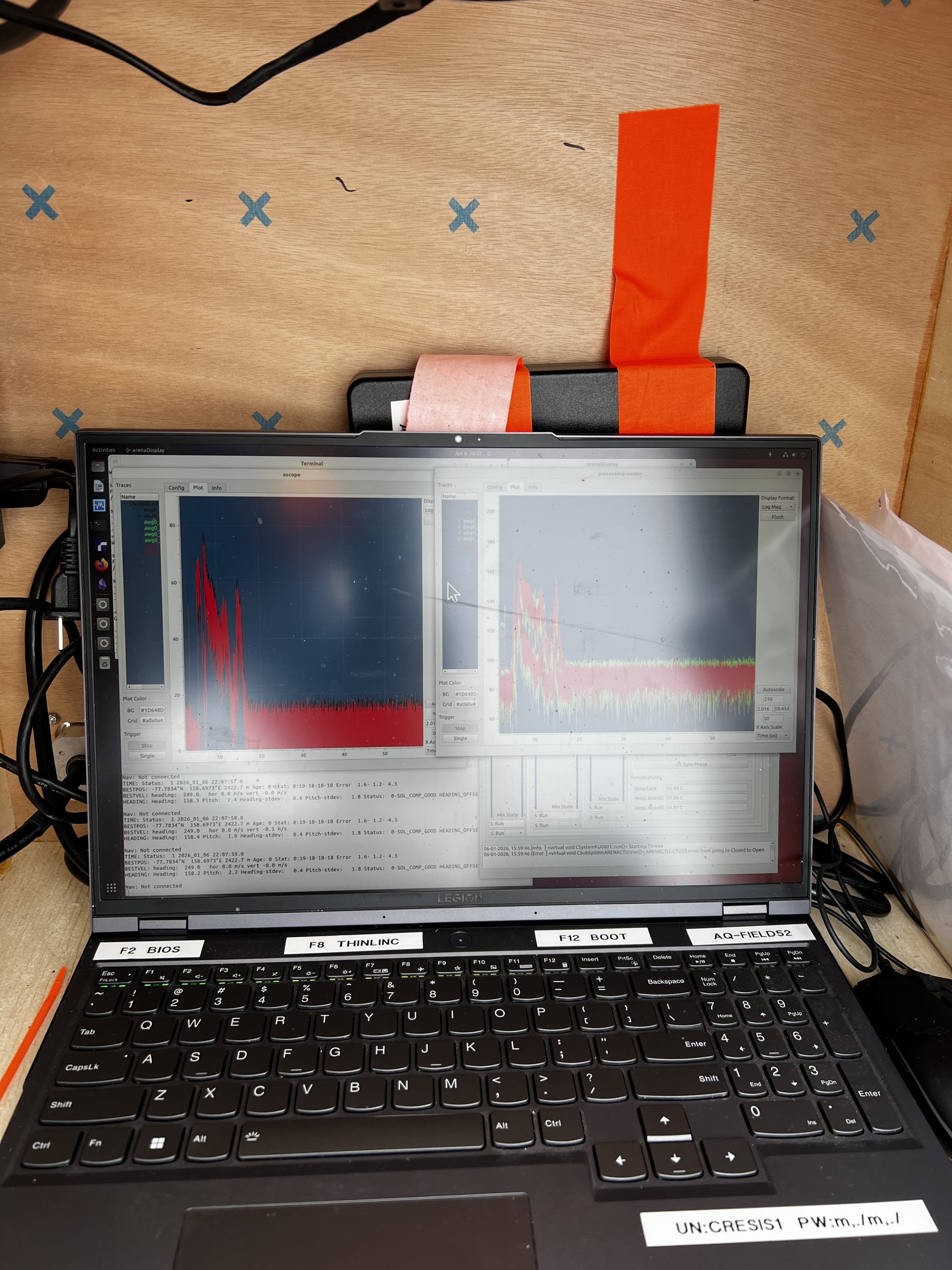
After the flight chaos, Ellen and I continued troubleshooting the EAGER radar and tested the PulseEKKO radar on the skiway! We’re anxious to get out with both radars at the same time in the next few days. Ilyse and Dylen headed back to the drill site to finish up for the day and Ellen and I cooked dinner.
Dinner got five star reviews – Ellen and I made quesadillas and tomato bisque. We filled the quesadillas with spinach and beans, called sludge, which was a hit. After dinner, we played cribbage and cracked open our Baja order since we now only have 3 weeks to get through a 6 week order…
Jan 7: Battery box!
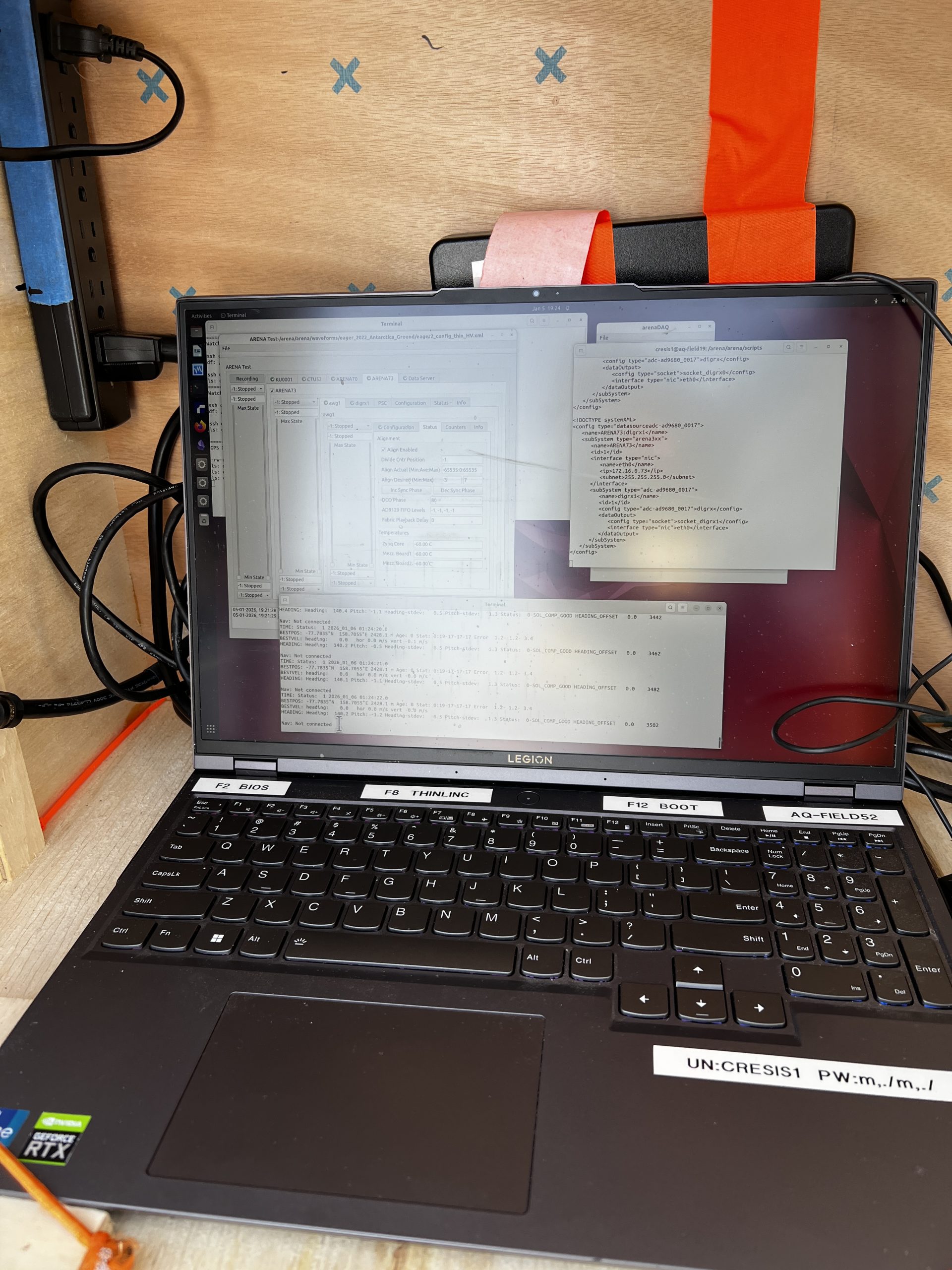
Today’s wins started with myself and Ellen getting the EAGER up and running! We got some much-needed help from Knut and swapped a power strip out of the EAGER computer. We took the computer out on the skiway to test it and practice data collection. Ellen and I are hoping to take both the EAGER and PulseEKKO out at the same time tomorrow for real data collection, now that we’ve tested them both.
After the EAGER win, Dylen, Ilyse, Ellen and I had mac and cheese for lunch at camp. Dylen and Ilyse had been hanging out at camp to program data loggers in preparation for the battery box install later today. The four of us and Naomi and Mary from the FAST team would be heading out to the 8 cm site to push 800 and 500 lb battery boxes into a hole. Meanwhile, Forest, Elliot, and Zoe were hard at work on the chemistry core – 30 meters today!!
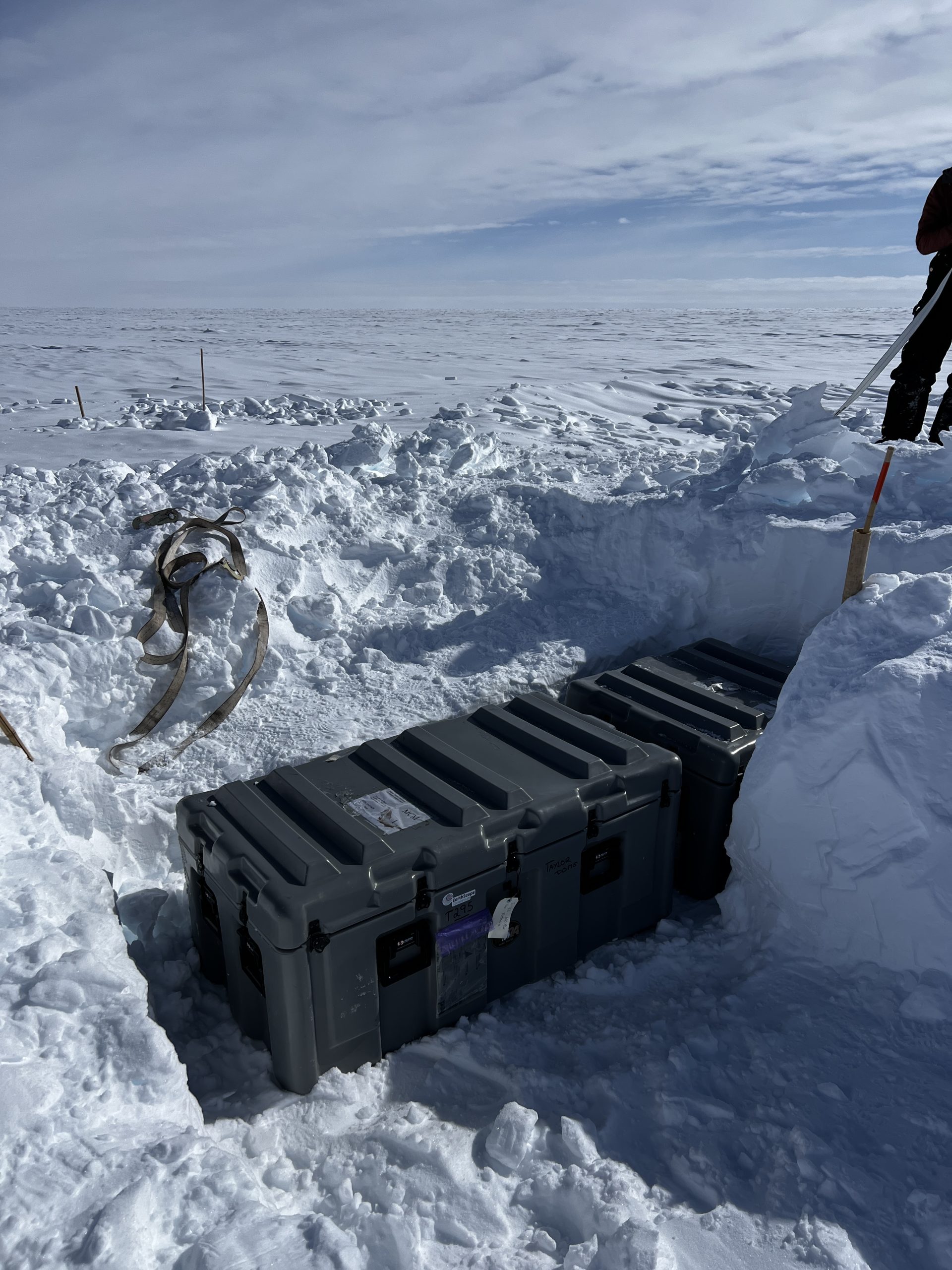
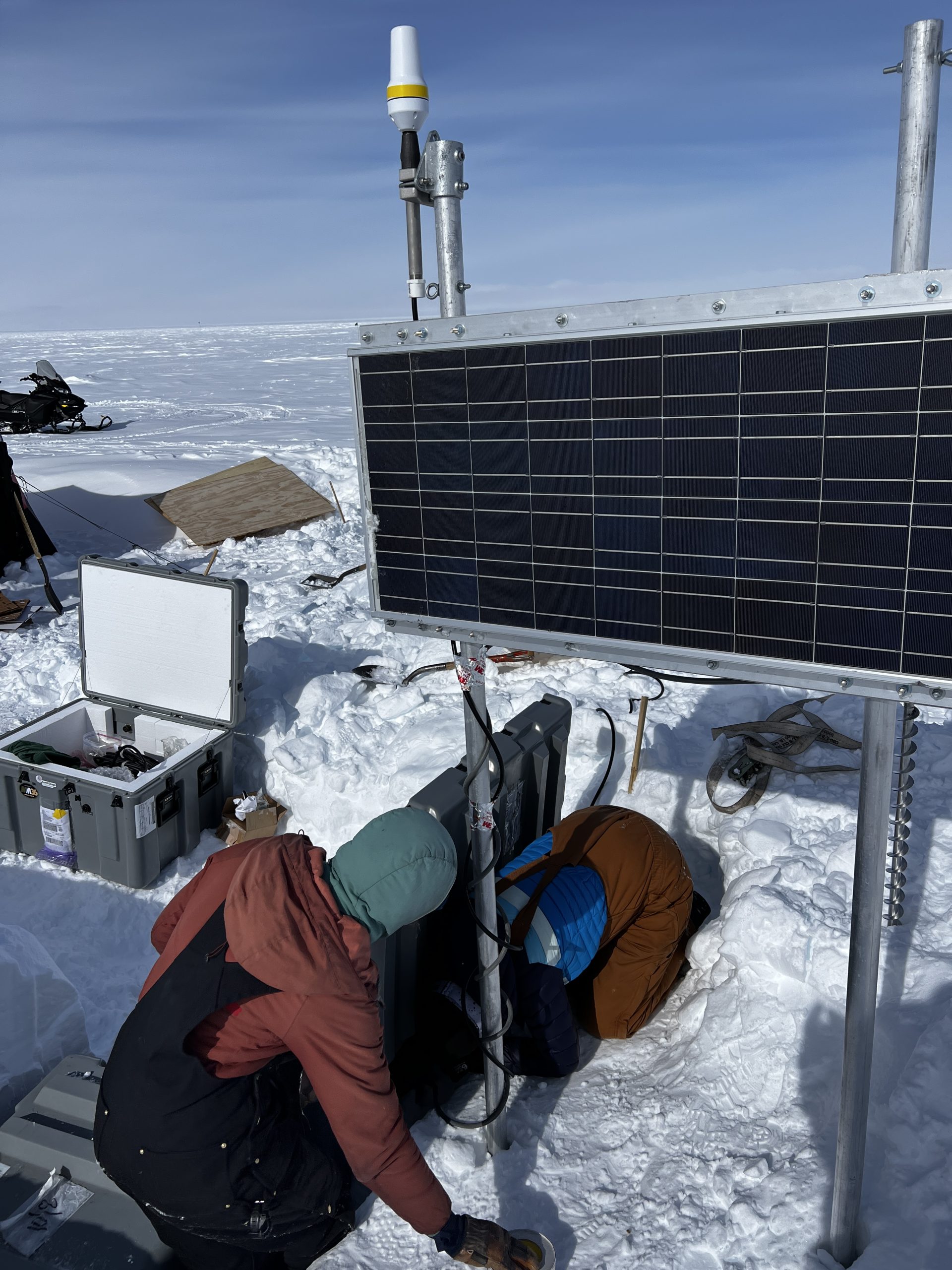
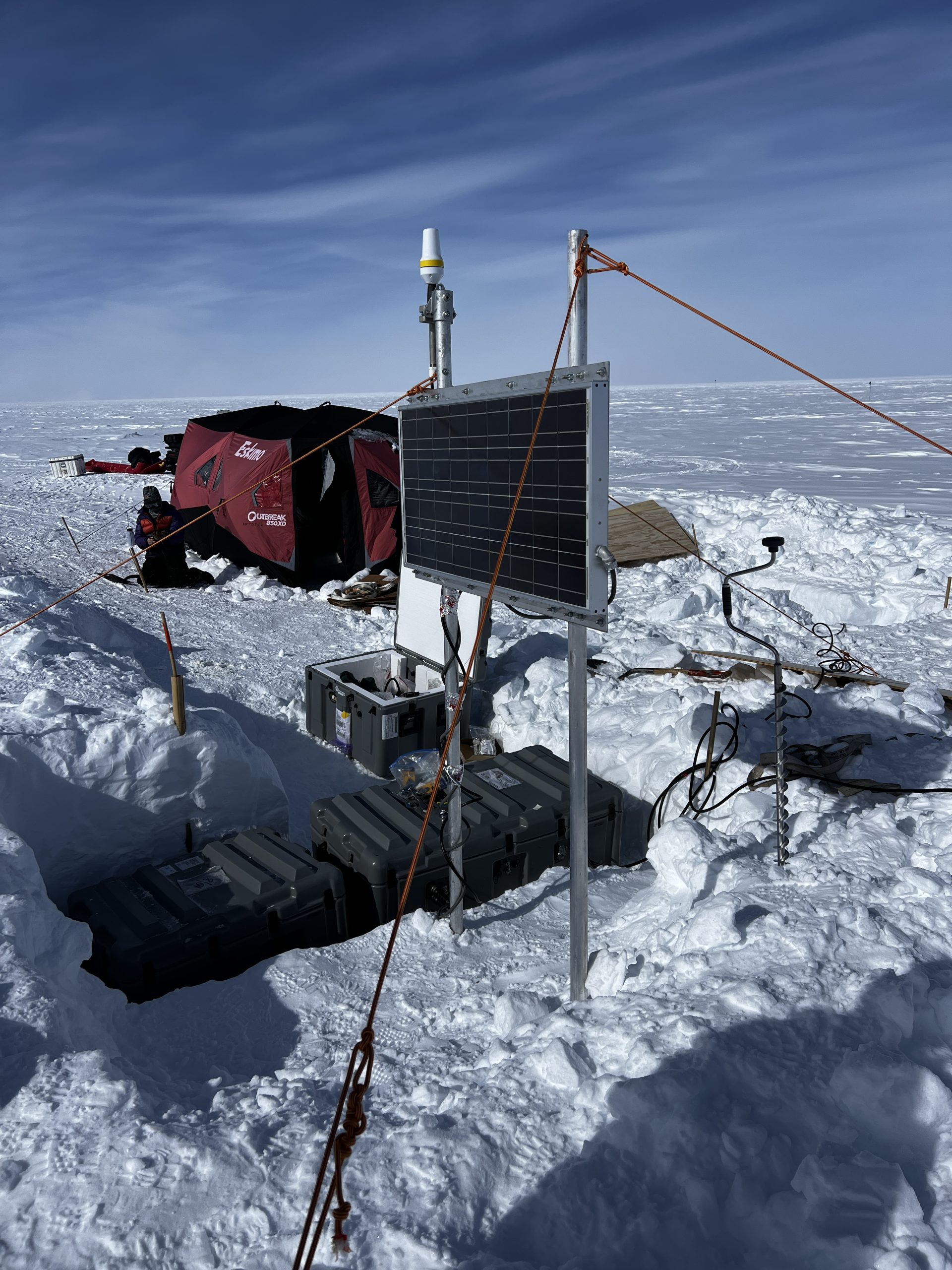
We headed out to the 8 cm site, filled in the enormous battery grave that Naomi had dug, and excavated a ramp to push the heavy battery boxes into the hole. With a combination of Ski-Doos, cargo straps, and good old pushing, we managed to maneuver the battery boxes off a large drift and into the hole to start wiring connections. It was a game-changer having the FAST team with us – they were not only great at digging and tying knots but they also had lots of expertise with moving heavy things with and without mechanical advantage and had some great suggestions for how to do so safely.
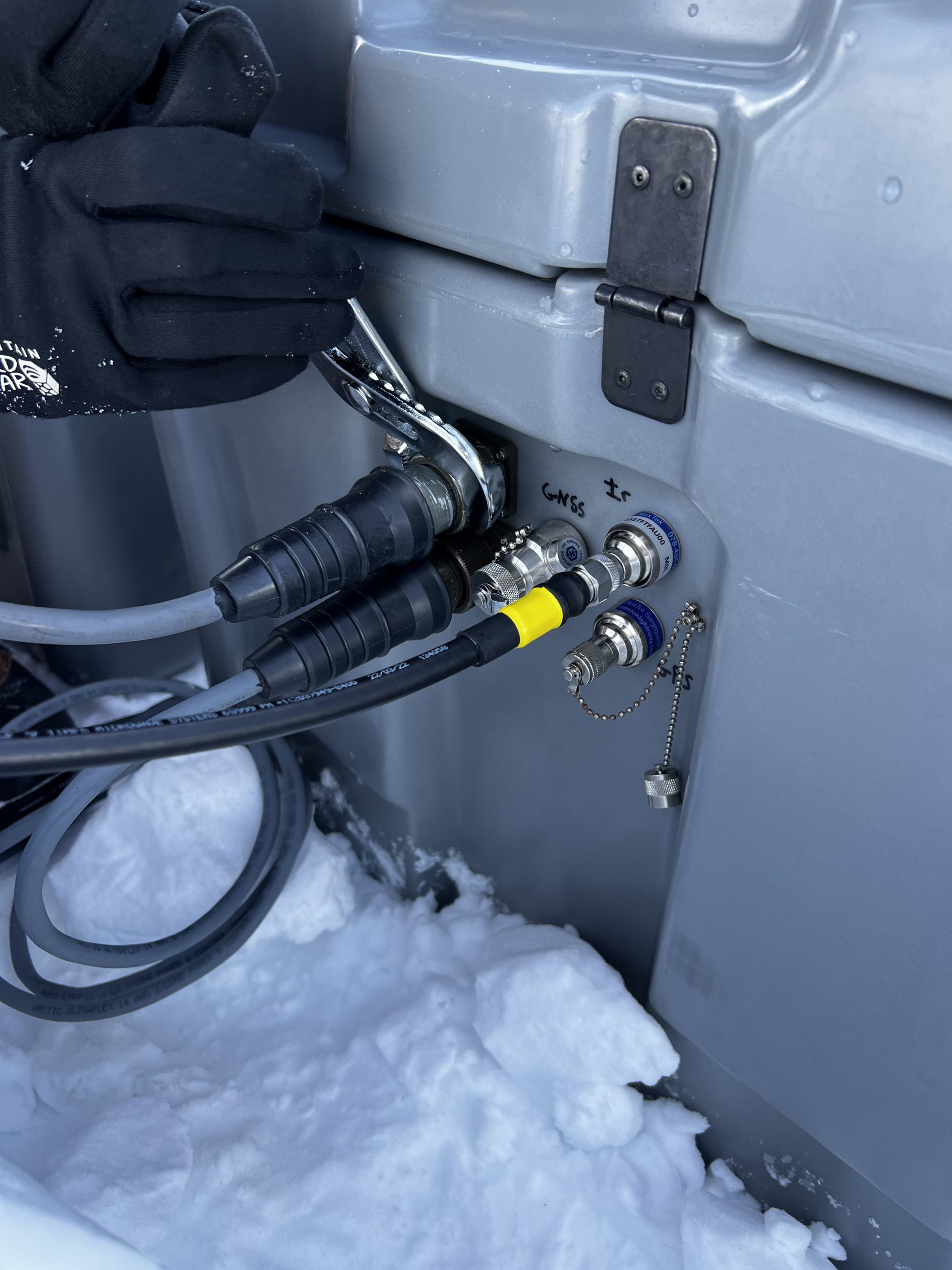
After we placed the battery boxes, Dylen and Ilyse worked on their complex data logger wiring while the rest of us installed the solar panel and tied it down with deadman anchors and guy lines. Only three more firn observatories to set up…
Ellen, Naomi, Mary, and I headed back to camp to cook dinner while Dylen and Ilyse held down the fort at the 8 cm site. We got lots of compliments on our dinner tonight – homemade garlic naan, two types of curry, and yellow rice. Ellen also made celebratory pudding after a successful day!
Disclaimer
The opinions expressed are solely my own and do not express the views or opinions of the National Science Foundation, the United States Antarctic Program, or the University of Washington. This blog is for entertainment purposes only.