Jan 8: Eager to EAGER
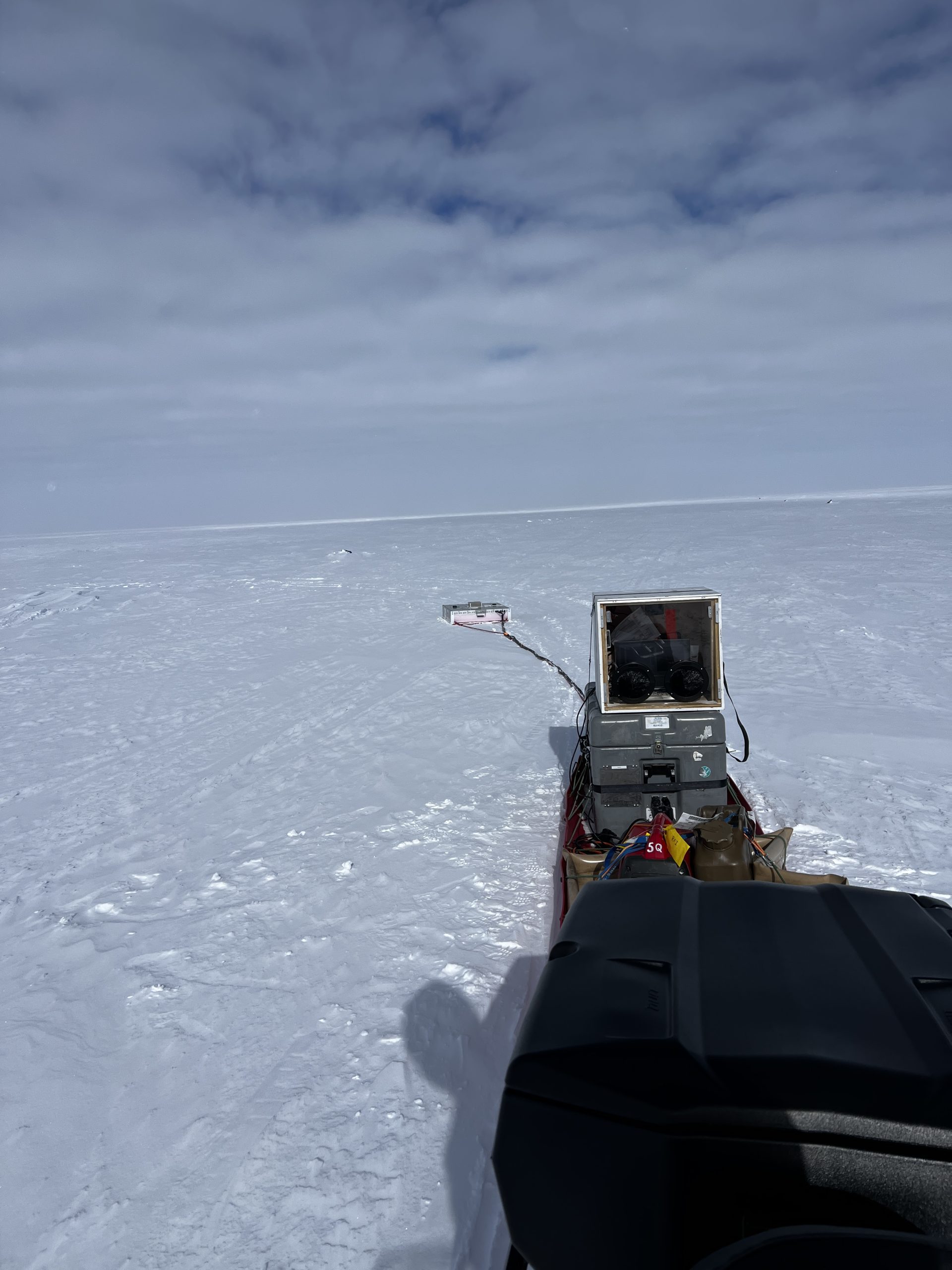
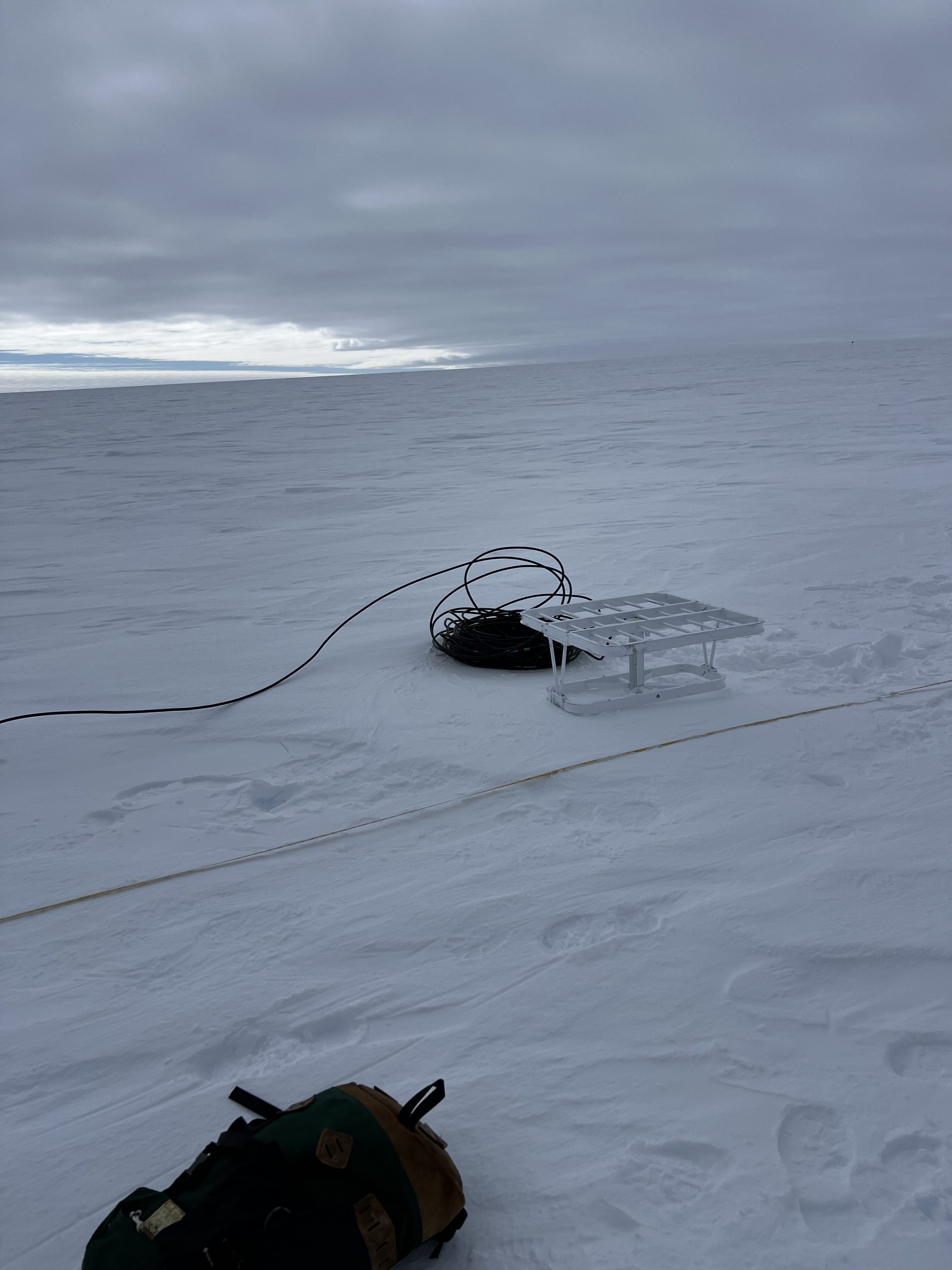
Today’s shenanigans involved starting up the EAGER radar early in the morning. Ellen and I planned to get out and complete a PulseEKKO and EAGER transect from camp to the 25 cm site. The PulseEKKO is a profiling radar which collects data of the subsurface in the direction that it’s traveling. The EAGER, on the other hand, collects data in the direction that it’s traveling and in the perpendicular direction. This is called polarimetric radar and it’s incredibly helpful to look at ice fabric. Ellen took the PulseEKKO and I took the EAGER – we both had to drive at 6 miles per hour to ensure that the instruments had a chance to transmit and receive radar waves at one location for a complete image.
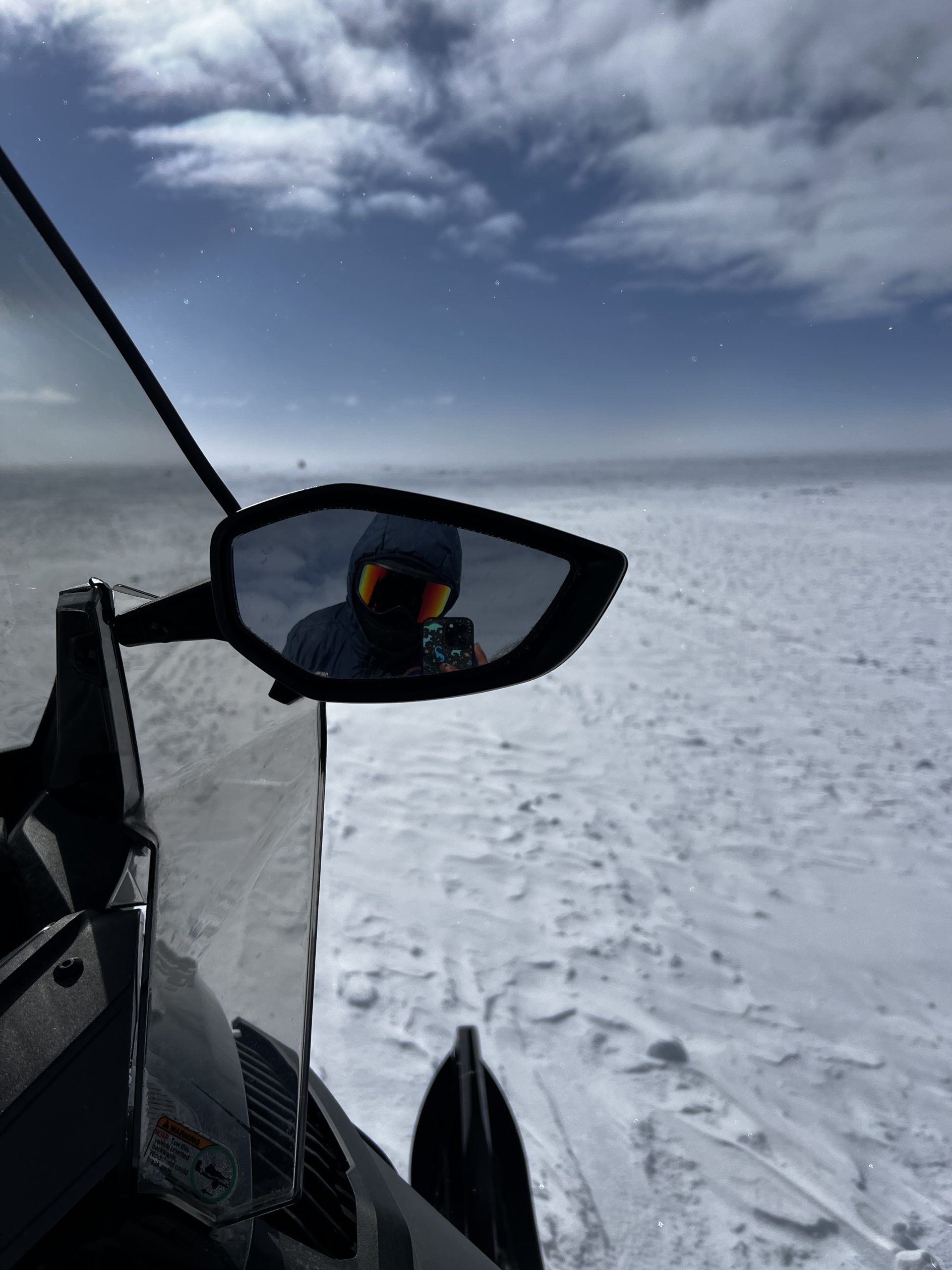
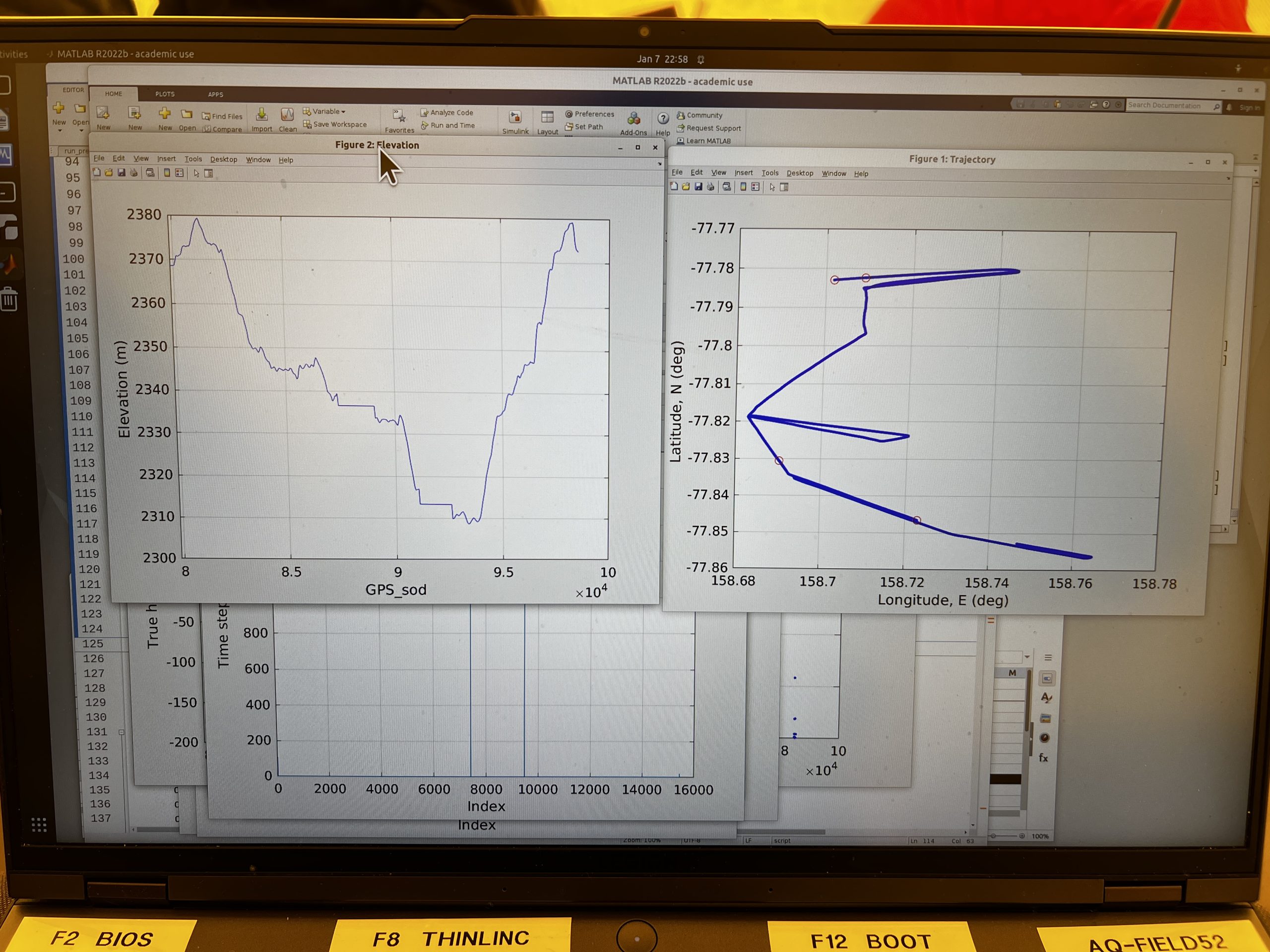
During the 6-hour Ski-Doo ride, Ellen listened to absolutely nothing (crazy) while I shuffled my Liked Songs on Spotify. We both arrived at camp weary from worrying about the radars (the PulseEKKO died partway through and the EAGER’s GPS failed multiple times, forcing us to restart the instrument). We had to check both instruments every ~20 minutes maximum and drive in a straight line despite sastrugi threatening to tip the Ski-Doos and the sleds containing the radars.
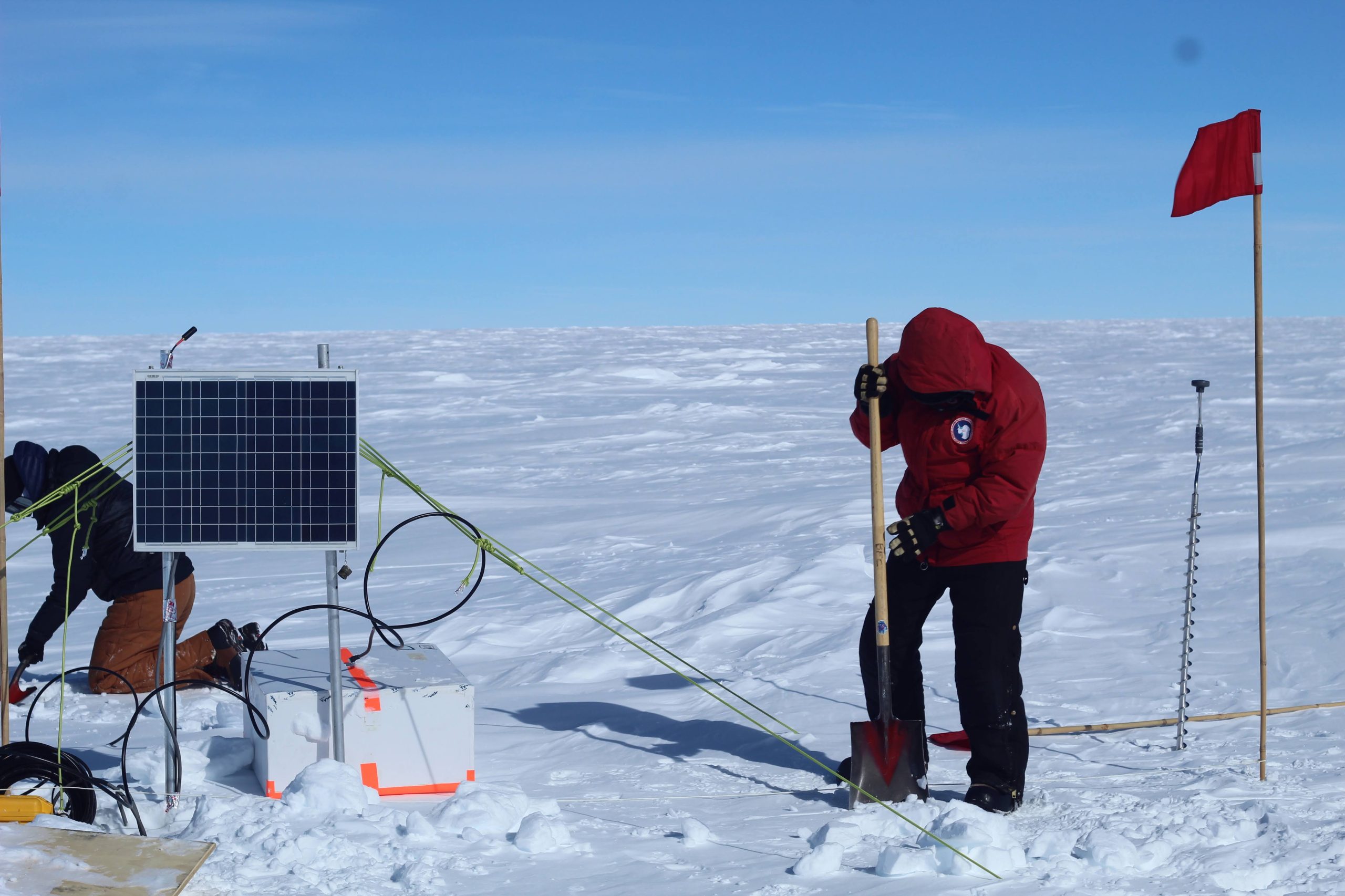
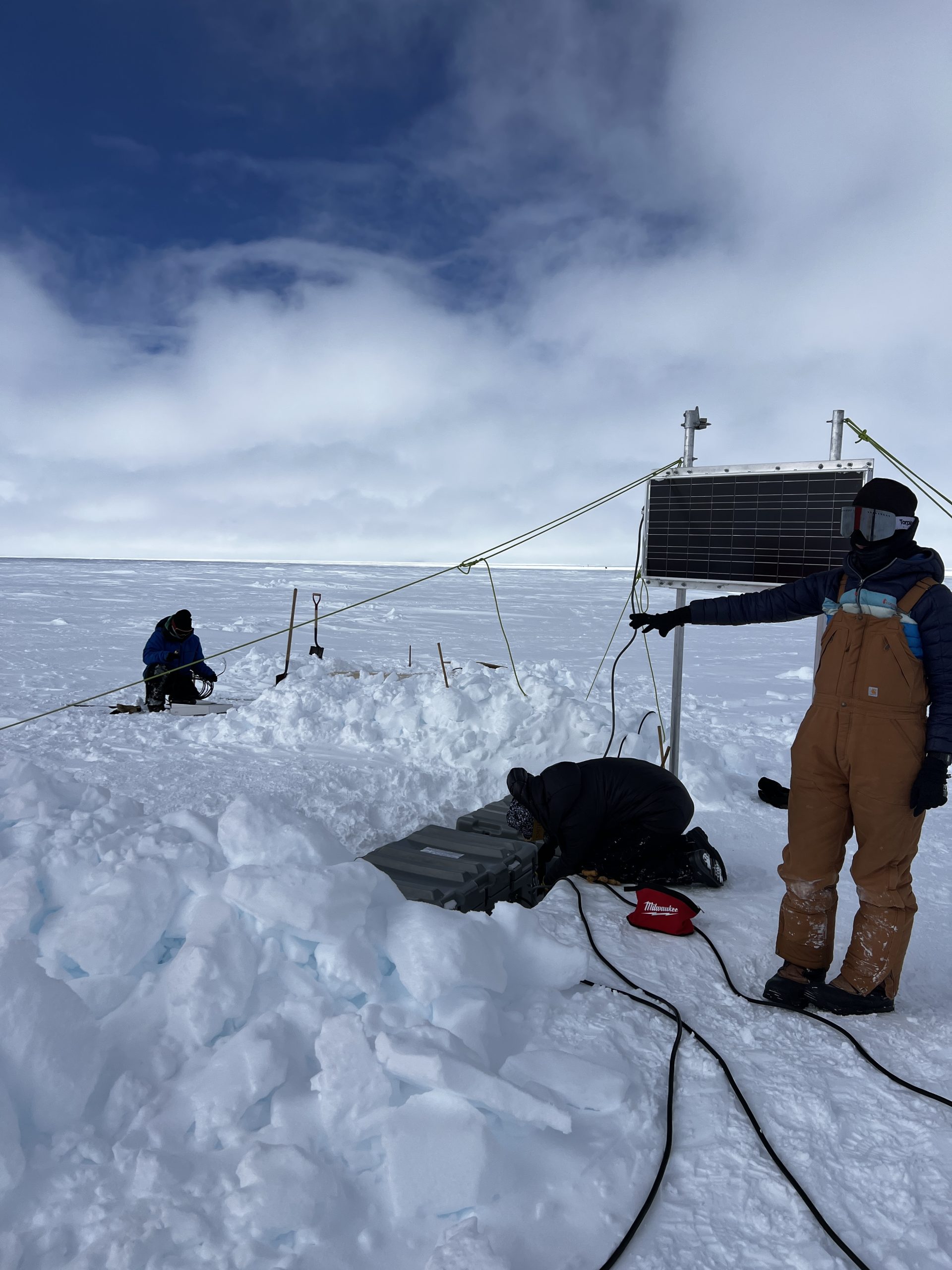
Meanwhile, the drillers continued drilling the chemistry core while Zoe core logged in her Tyvek suit. Dylen and Ilyse continued work on the 8 cm site, connecting wires then packing up their equipment! By the afternoon, they moved over to the 4 cm site to start hand augering boreholes and installing strain gauges in them.
At dinner, we received a report that we are expecting some weather within the next few days… hopefully not another 10-day weather stretch!
Jan 9: Common Midpoint Survey
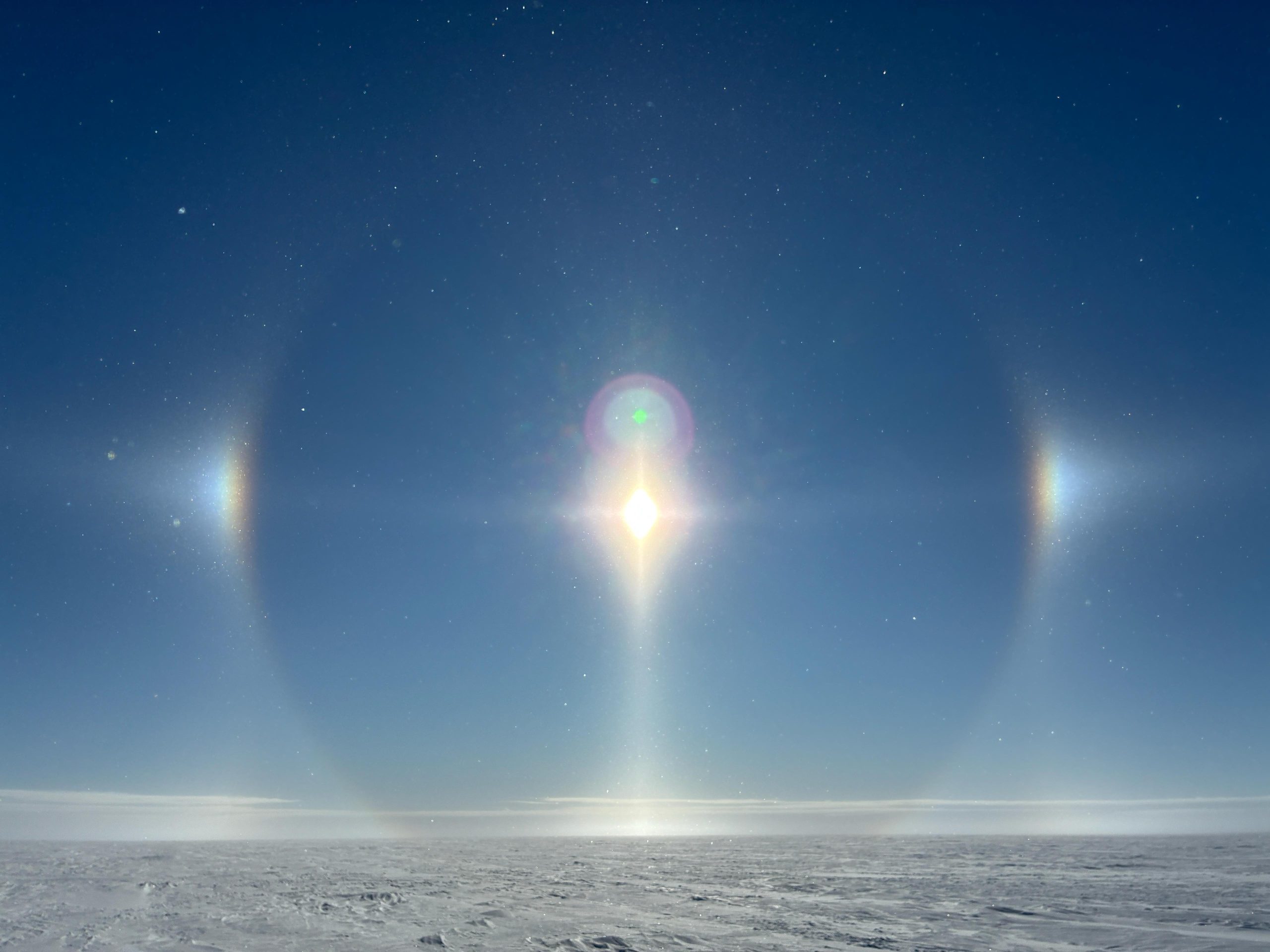
Today we woke up to some beautifully sunny weather with lots of sun dog/parhelion views. A sun dog happens when the sun reflects off of ice crystals suspended in the air, making a circular spot of light appear around the sun. Elliot caught a super cool picture of one today!
Dylen and Ilyse troubleshooted the battery box that was giving us issues at the 8 cm site. Then, they installed three strain gauges at the 4 cm site! Big wins today since these strain gauge installations take hours.
Forest, Zoe, and Elliot finished the 100 m chemistry core! This is a huge relief for Zoe since she did not enjoy being sterile in her Tyvek suit. Tomorrow, they’ll move the drill to the 2 cm site.
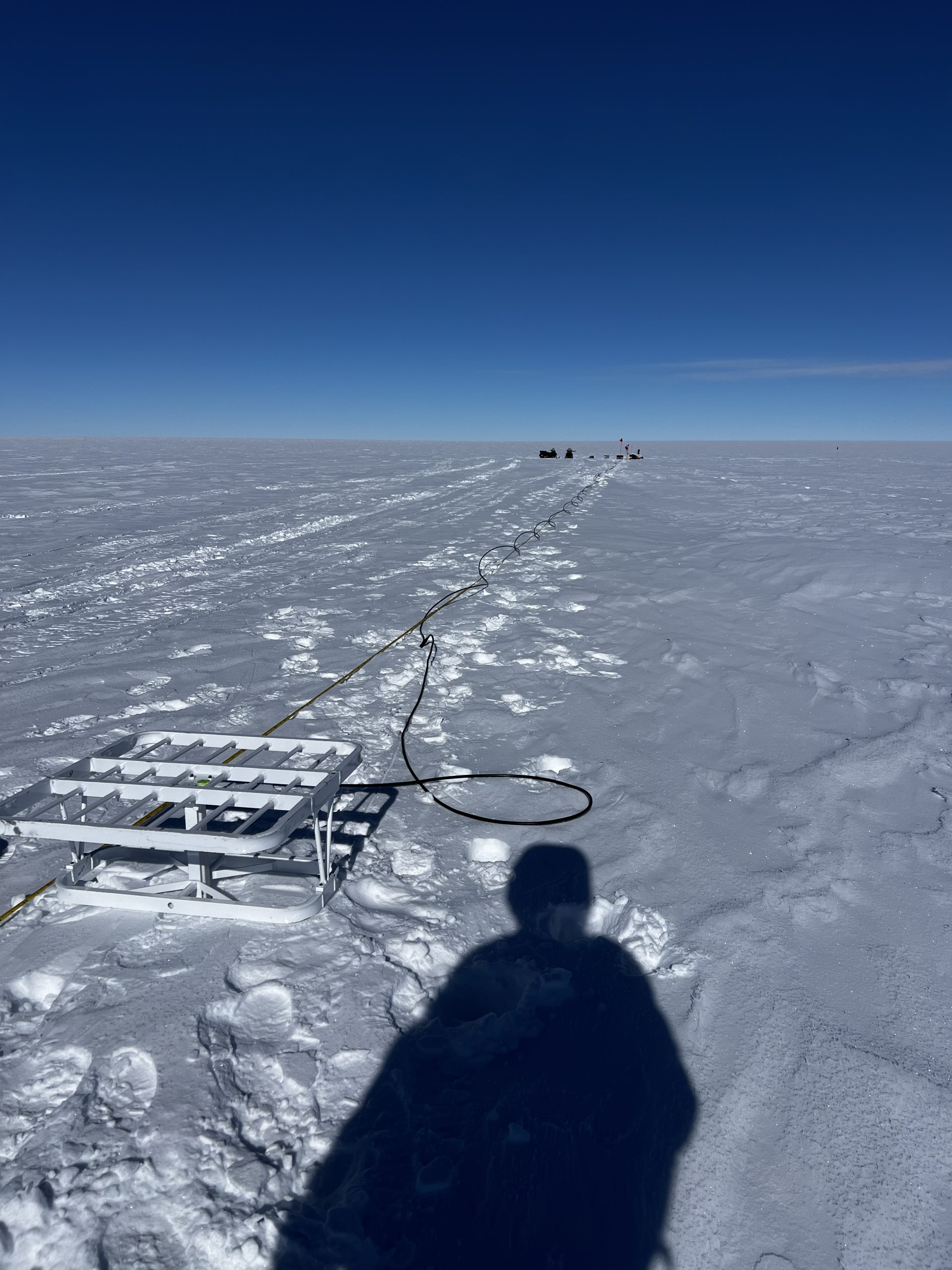
Ellen and I decided to steal Naomi for the Common Midpoint Survey (CMP), a long and tedious survey that measures anisotropy. A CMP can tell us about shallow pore space (the air trapped between the ice crystals) and deep ice fabric (the direction of orientation of the ice crystals). Since ice crystals are anisotropic (they have different dimensions when measured in different directions), we can measure the speed at which radio waves travel through the crystals. If the waves travel relatively slowly, we know that the crystals are oriented vertically and if the waves travel relatively quickly, we know that the crystals are oriented horizontally. Using this information, we can determine the bulk orientation of ice crystals, telling us about the direction of flow and about other details about their movement and compaction.
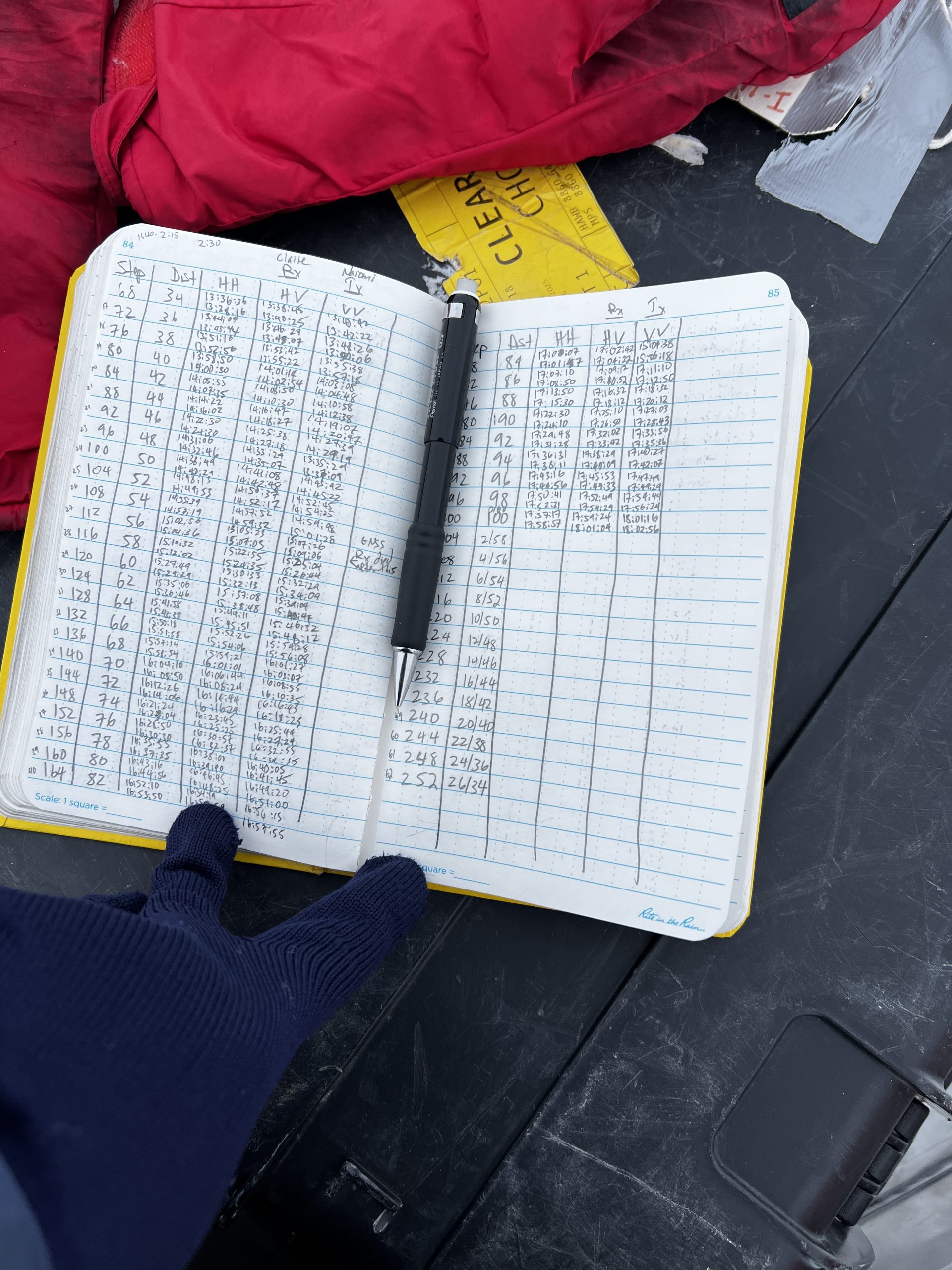
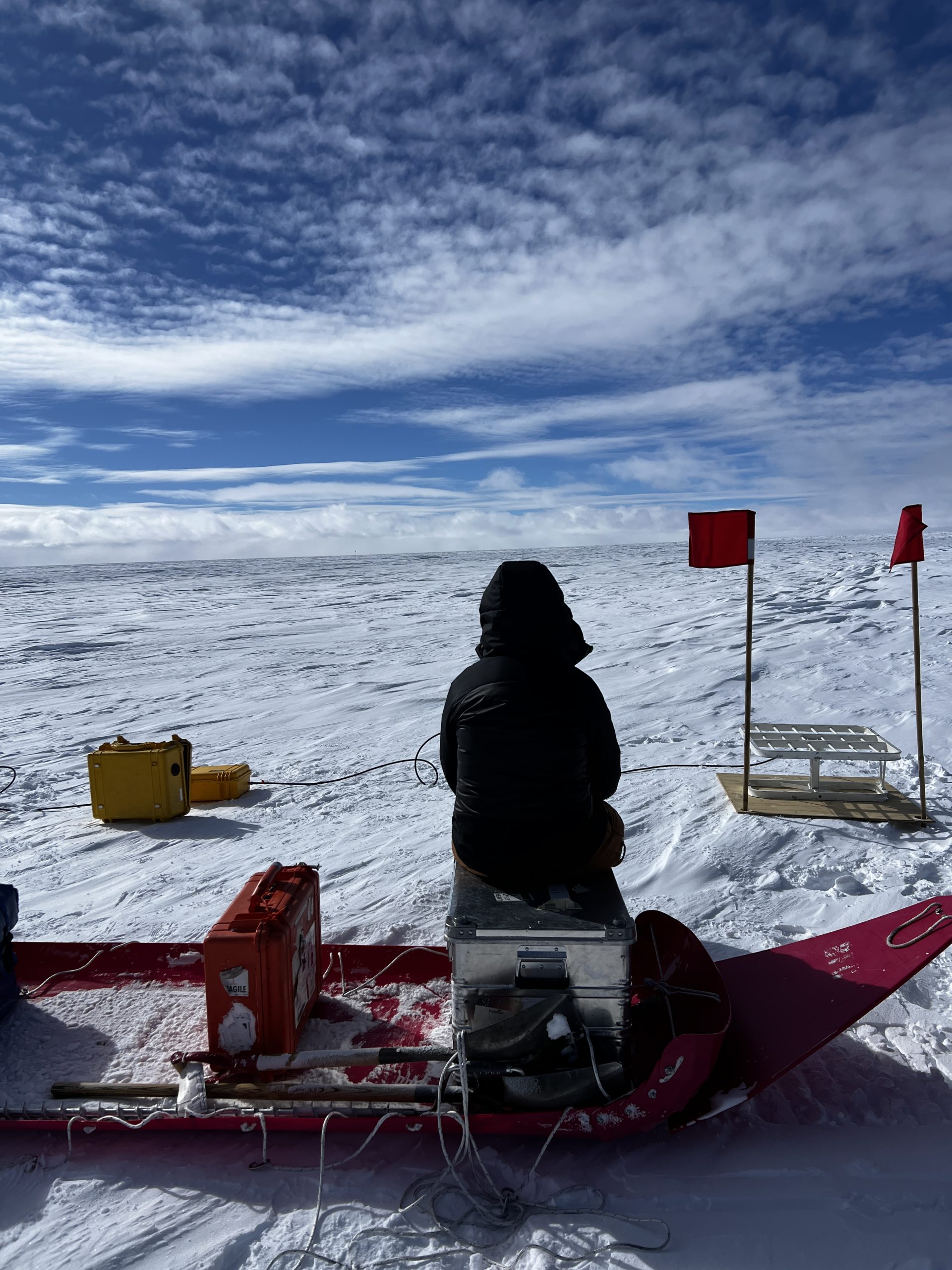
Anyway, the CMP involves two people standing 260 meters apart, with another person in the middle. Naomi and I were on either end while Ellen was in the middle with the ApRES computer. Ellen would signal to us (we couldn’t use handheld radios since they might cause noise in the data) to either move or rotate our antennae. First, Naomi and I would move the antennae closer to Ellen by 2 meters. Then, we’d wait 100 seconds for the measurement to occur. Next, Ellen would signal to me and I’d rotate my antenna 90º clockwise. Then, another 100 second wait. Next, Ellen would signal to Naomi to rotate her antenna 90º counter-clockwise. Then, another 100 second wait. Next, Ellen would signal us to move in by 2 meters and the whole process would start again.
This was not a particularly fun survey to complete and the 100 second wait times were just long enough to be annoying and not enough time to really rest. I coped by listening to music, laying on the snow, and doing 10 push-ups per set of measurements (for a total of 150 push ups because my arms failed me on push-up 151). Naomi was also seen doing push-ups and taking mini naps. Ellen created various 100-second waking paths where she would calculate 100 seconds from the current time and walk to a specific spot and back to stay warm. Everyone was quite exhausted and felt brain dead by the end of the survey.
Ellen and I arrived to dinner late but Dylen and Ilyse were hard at work making custom pita pizzas for everyone! They made homemade tomato sauce and personalized pizzas, cooking them in the “oven” we were given (a metal box that is placed on top of a camp stove burner).
Unfortunately, we found out that the CMP was a complete bust – the computer had not recorded a single data point during the 7 hours of the survey. This could have been caused by many different failures along the way but was overall very disappointing. However, this is how science goes – we can’t always predict things like this and despite checking and double-checking, something went wrong. We can only hope that tomorrow will be better.
Jan 10: Eager to EAGER pt. 2
After yesterday’s L, I convinced Ellen not to go back to the CMP site and try again. Instead, we decided to get the rest of the EAGER and PulseEKKO survey done due to the incoming predicted weather. The EAGER and PulseEKKO surveys are higher on our science priority list and I simply couldn’t handle another day of laying on the ground and staring at the sky for 100 seconds at a time for 7 hours…
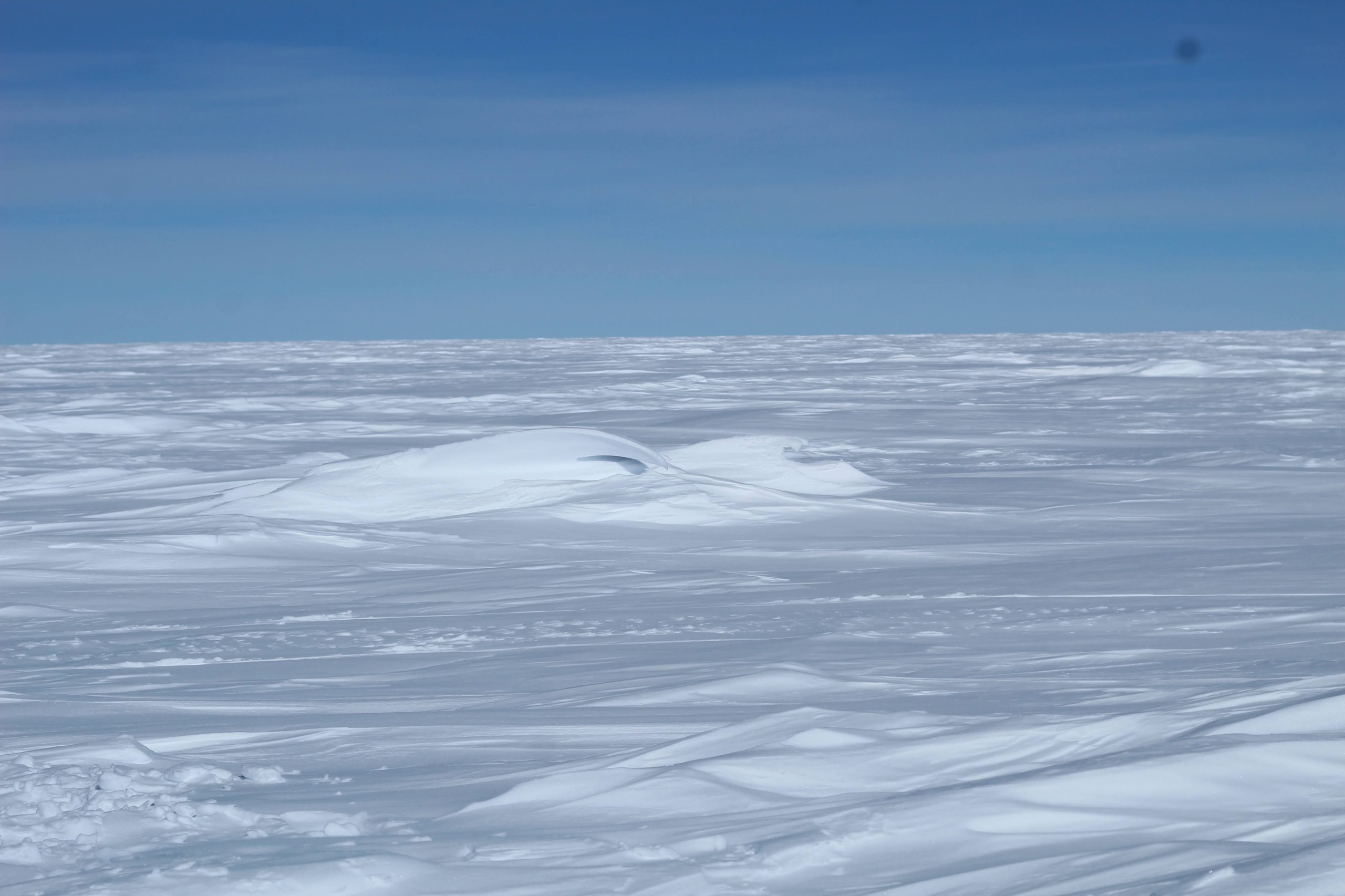
Anyway, EAGERing is a different type of torture challenge. I went out ahead of Ellen (since the radars need to be separated or they can generate noise in each other’s data) and started the path out to the 2 cm site. It was quite bumpy due to sastrugi out there, particularly compared to the relatively flat path to the 25 cm site. Halfway through the day, the visibility became flat white, making the landscape filled with 2-ft dunes look as flat as printer paper. Despite the PulseEKKO batteries dying yet again, we managed to get most of the PulseEKKO survey done and the entire EAGER survey done. If the data look good for the EAGER, we can be done with it!
The drillers and Zoe spent the morning deconstructing and shuttling the ~800 lb drill from the 4 cm site to the 2 cm site. Their enormous and heavy drill helped carve a path for the rest of the Ski-Doos to get out there safely.
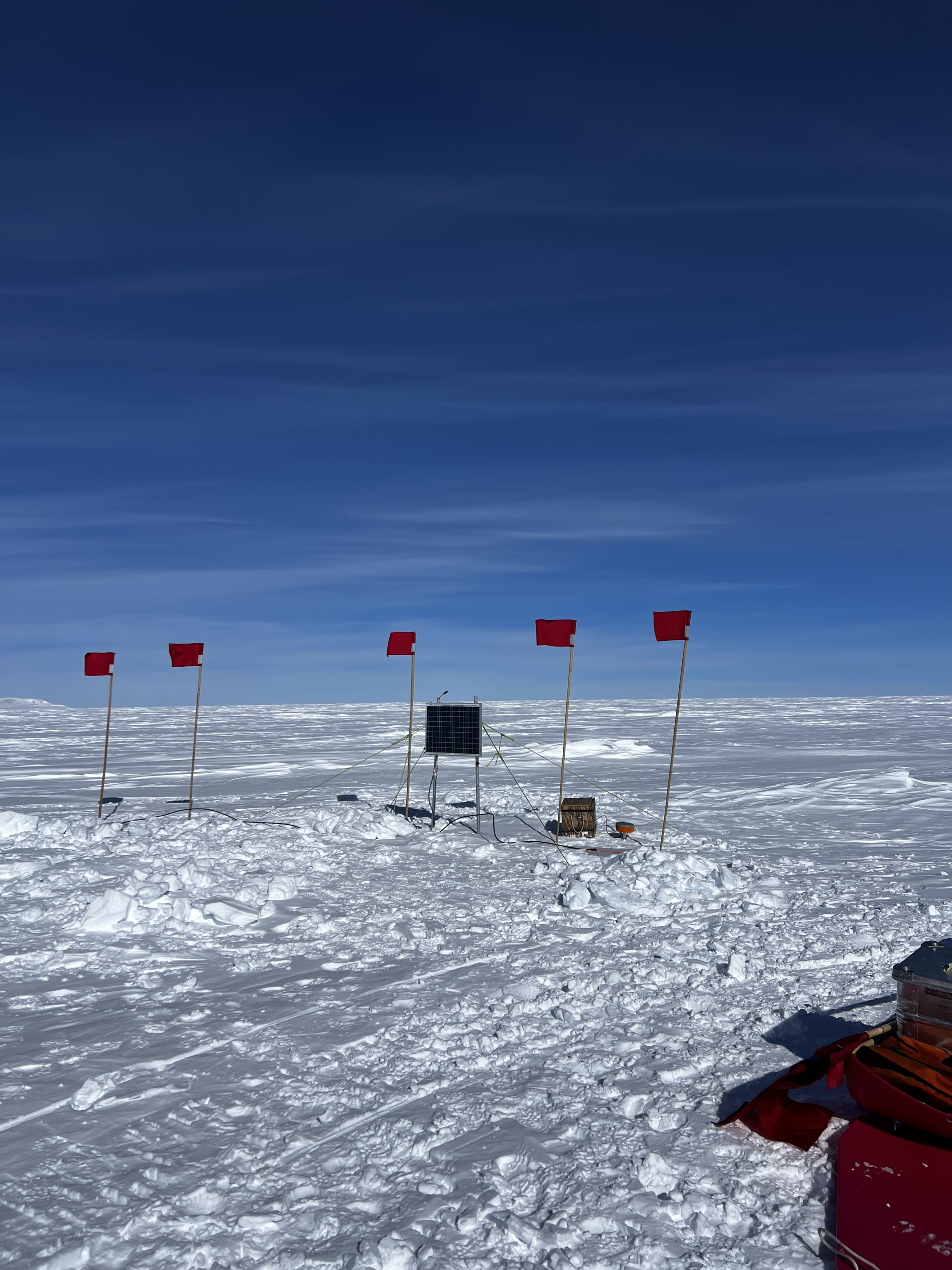
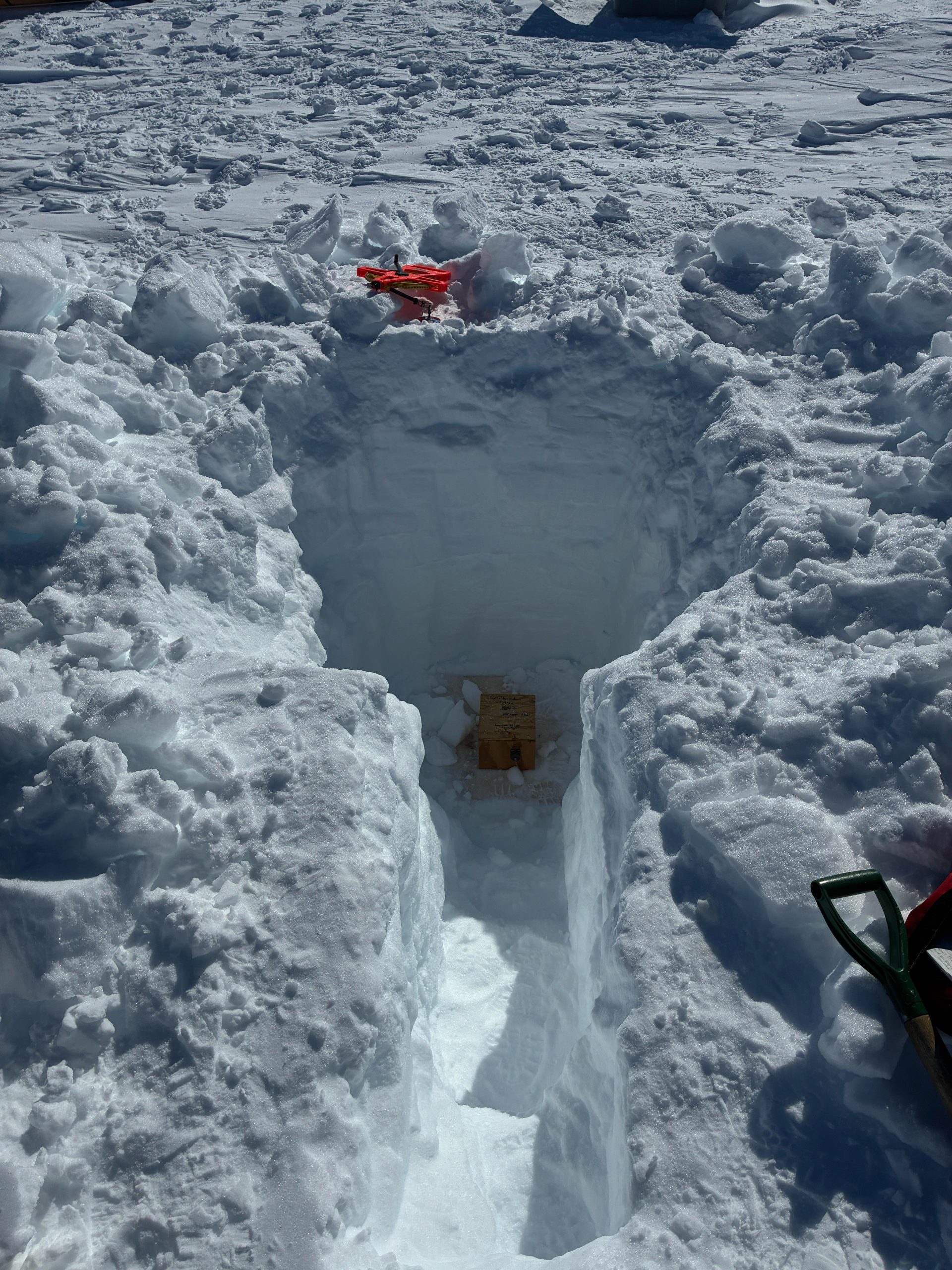
Ilyse and Dylen rewired some cables inside the battery box and fixed the issue at the 8 cm site! They then headed to the 4 cm site to install the last strain gauge in the 62 m hole. With the help of Mary and Naomi on the FAST team, they excavated another battery coffin and put the battery boxes in!
Everyone was feeling fatigued so we all decided that we would sleep in tomorrow. Before bed, some of the crew played Monopoly Deal with the FAST team – a classic field work card game!
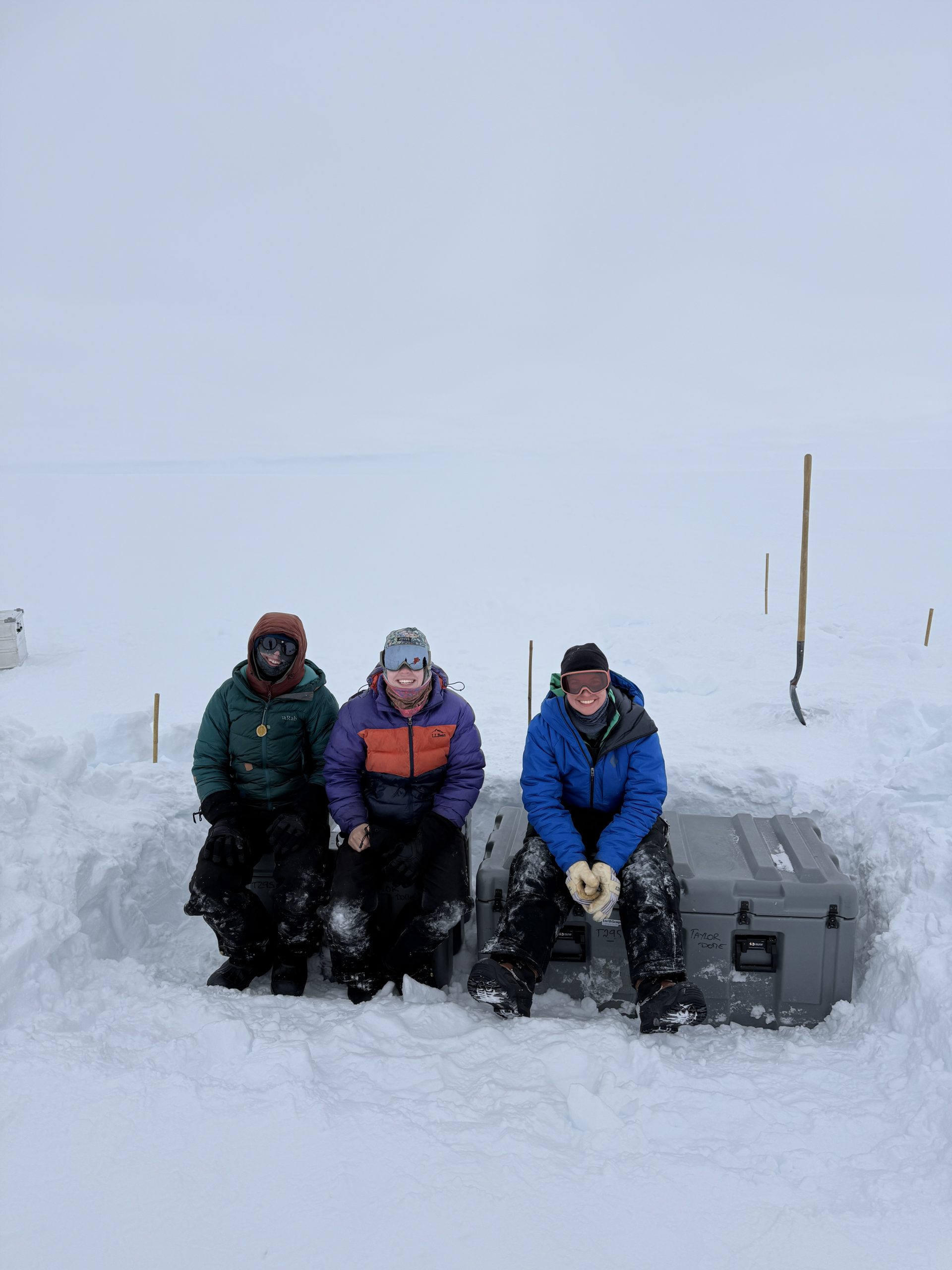
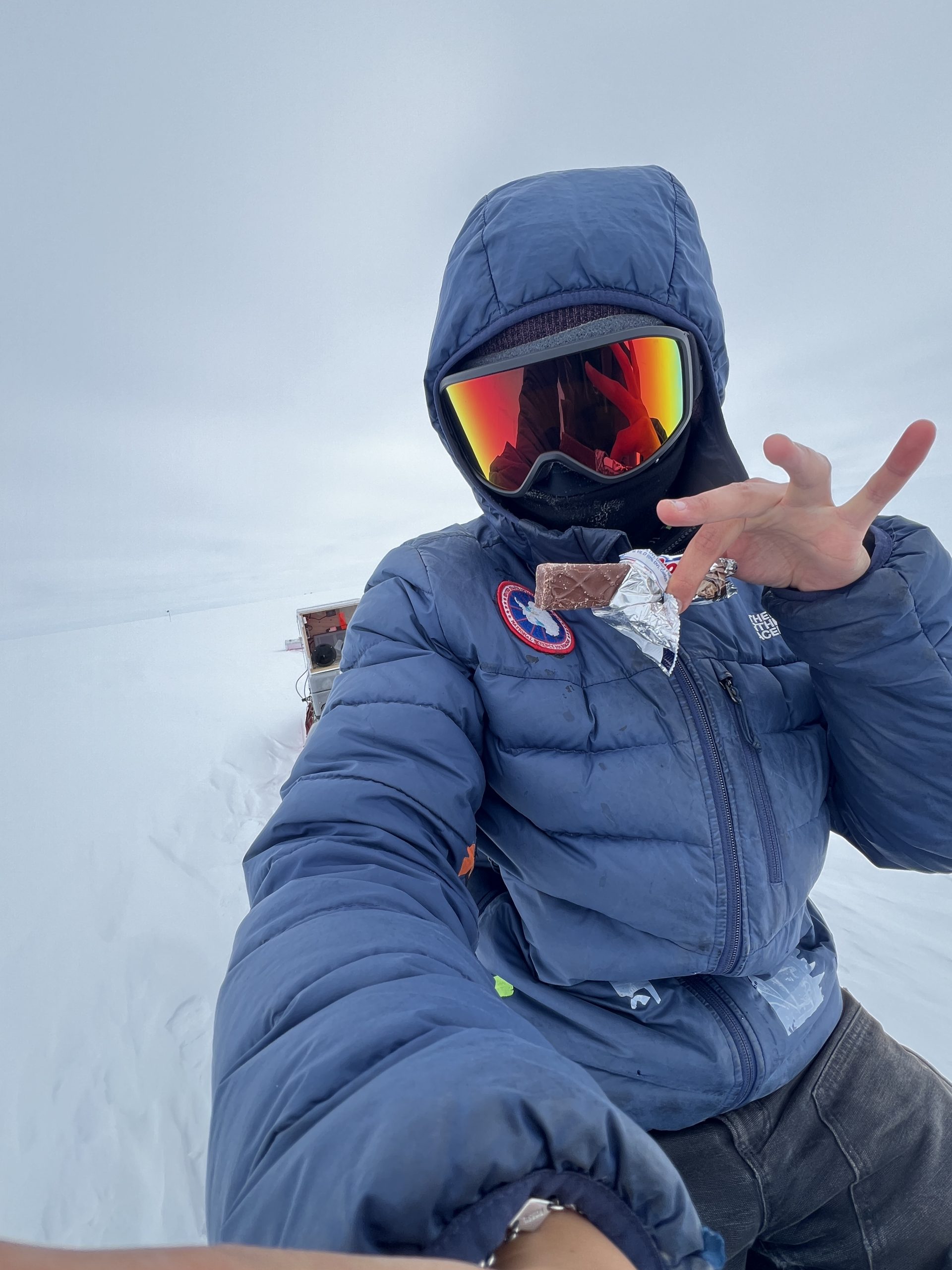
Jan 11: Rest day
Today, I took a much-needed rest day. I spent the morning sleeping in for an hour then headed to the kitchen tent to bother Ellen, who was the only one awake, and call my mom. When I first woke up, I could see rainbows all around from the suspended ice particles in the air. A few hours later, there was blowing snow and low-visibility. Next, Ellen and I had a meeting with John who helped us with some quality control issues with the EAGER data. The data from Jan 8th look good!
People started trickling into the tent after their own sleeping-in time so I cleared out of there and got to work on doing my hair. I successfully shampooed it and retwisted, both of which made me feel a little bit more human. Ellen headed out with Zoe to take a campaign measurement near camp while the drillers headed to the 2 cm site and Dylen and Ilyse worked at the 4 cm site.
Dylen and Ilyse finished their last hand augered hole at the 4 cm site for a total of five hand-augered holes. They then took temperature measurements in the 100 m hole where the chemistry core had been extracted. Temperature measurements take a long time regardless of the instrument since they need to calculate a cooling curve then let the instrument equilibrate in the borehole before reading a measurement. Calculating a cooling curve involves plopping the instrument (in this case, a 100 m long thermistor cable) down the borehole and taking measurements every ~20 minutes. Once the measurements look like they’re not changing anymore, they know how long it takes for the instrument to equilbrate and can record their first temperature measurement. Then, they’ll raise the thermistor string up by a few meters and come back to the instrument every 1-3 hours (depending on the equilibration time) and collect a measurement.
While everyone was out today, I caught up on some personal things and washed and sanitized the water cooler since it was looking less than ideal. We’ve been pretty good about making water from clean snow but we had to catch up since we had to empty the cooler of water before washing it. Ellen came back around 5 pm to cook dinner with me; we made sludge quesadillas, soup, and salmon. Again, the sludge was a big hit which we were very happy about. Tomorrow, we’re supposed to receive a flight carrying another Ice Drilling Program (IDP) driller and which will take away our filled ice core boxes and some equipment we don’t need anymore! Of course, weather is not looking ideal so it’s doubtful that this flight will happen but we have to be ready at any moment to receive it.
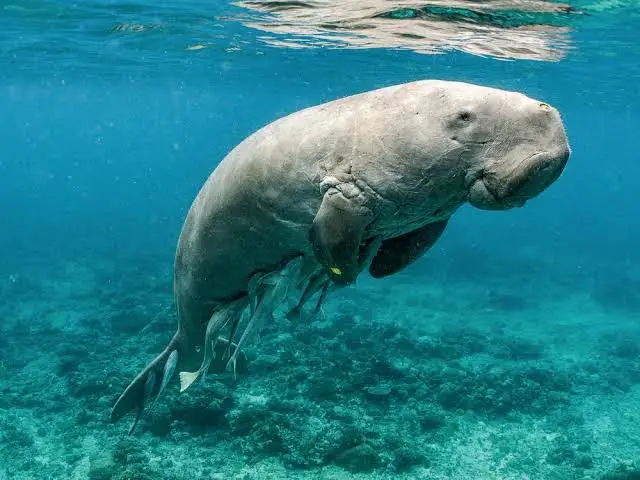
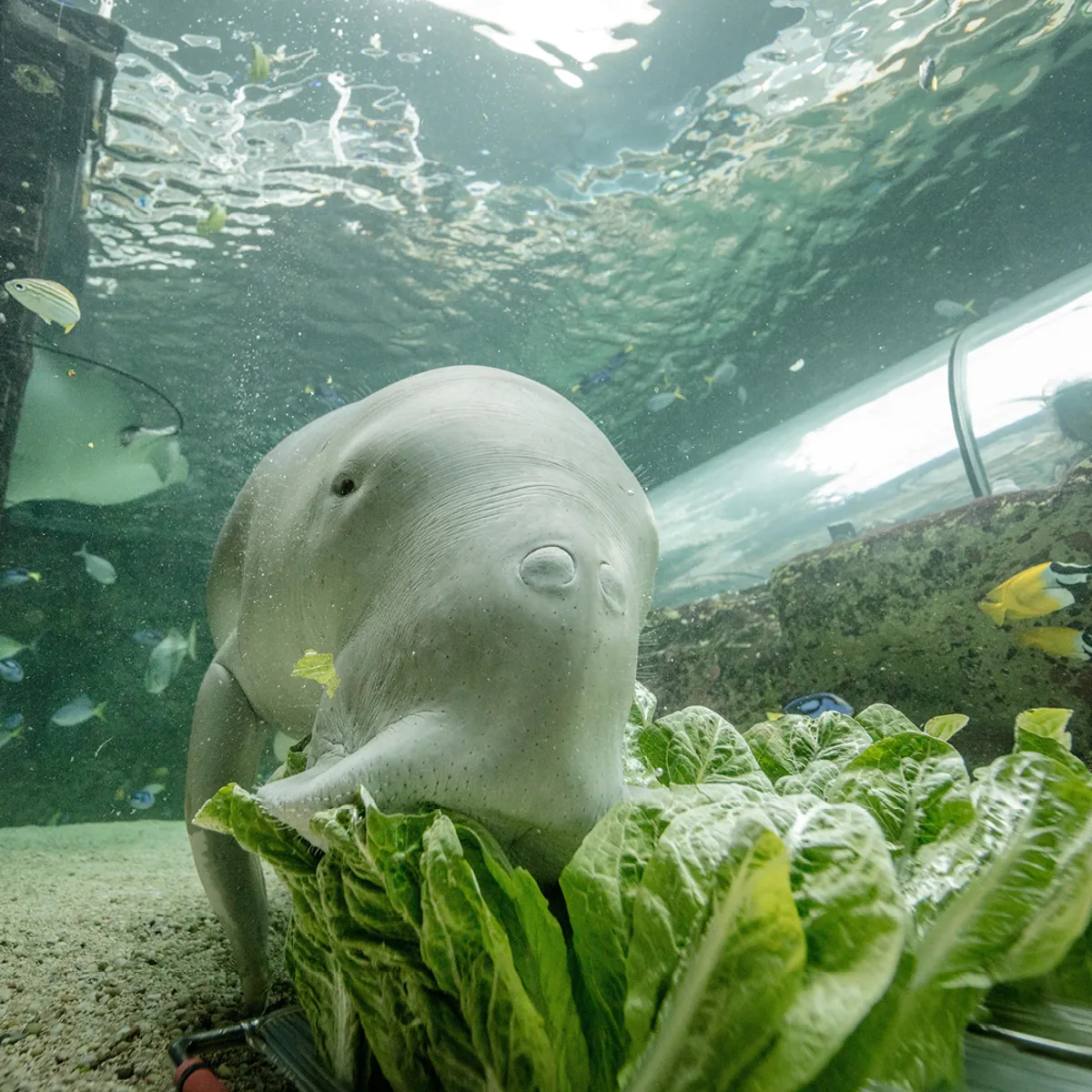
Jan 12: Dugong
Jan 13: Storm
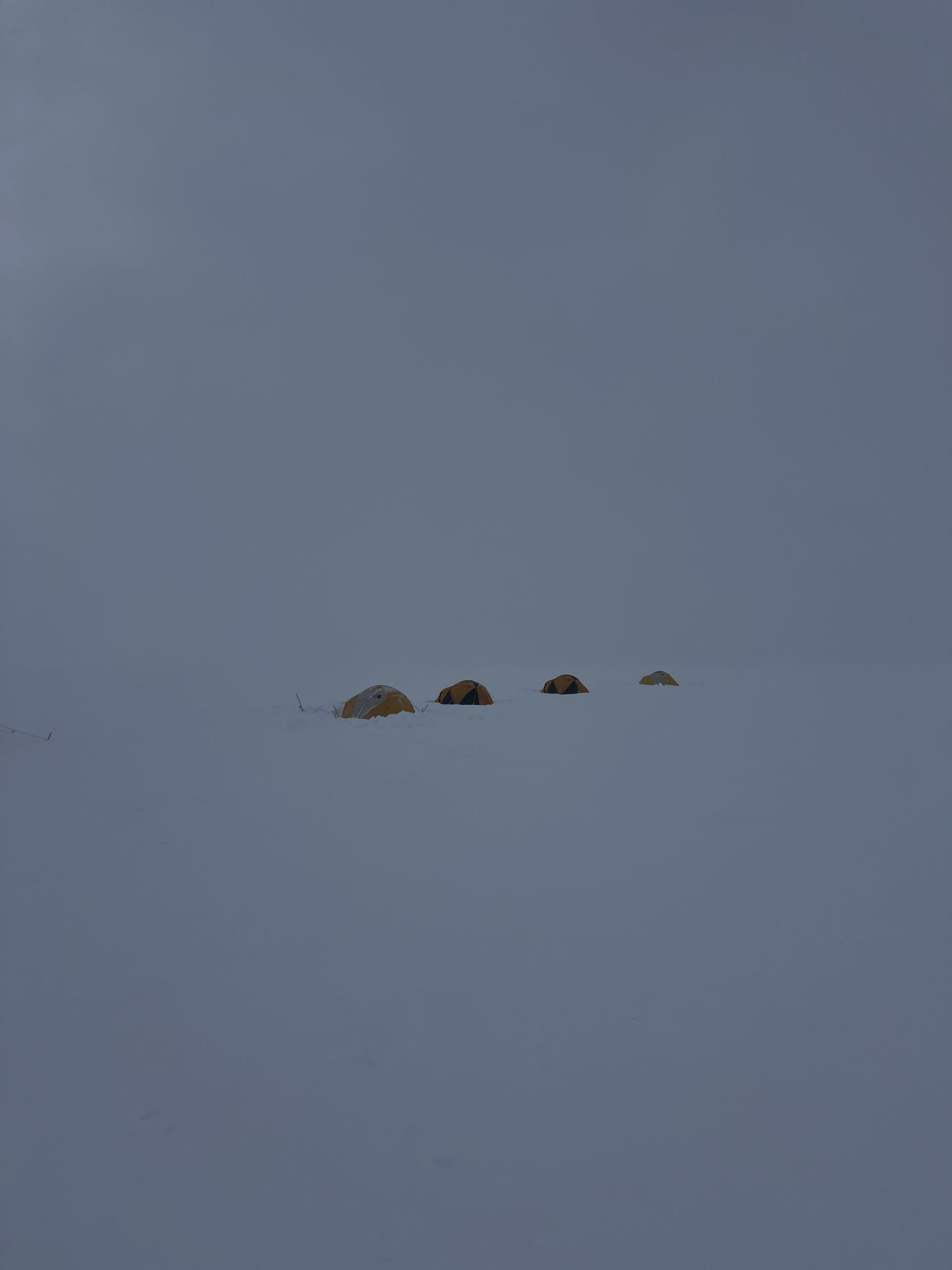
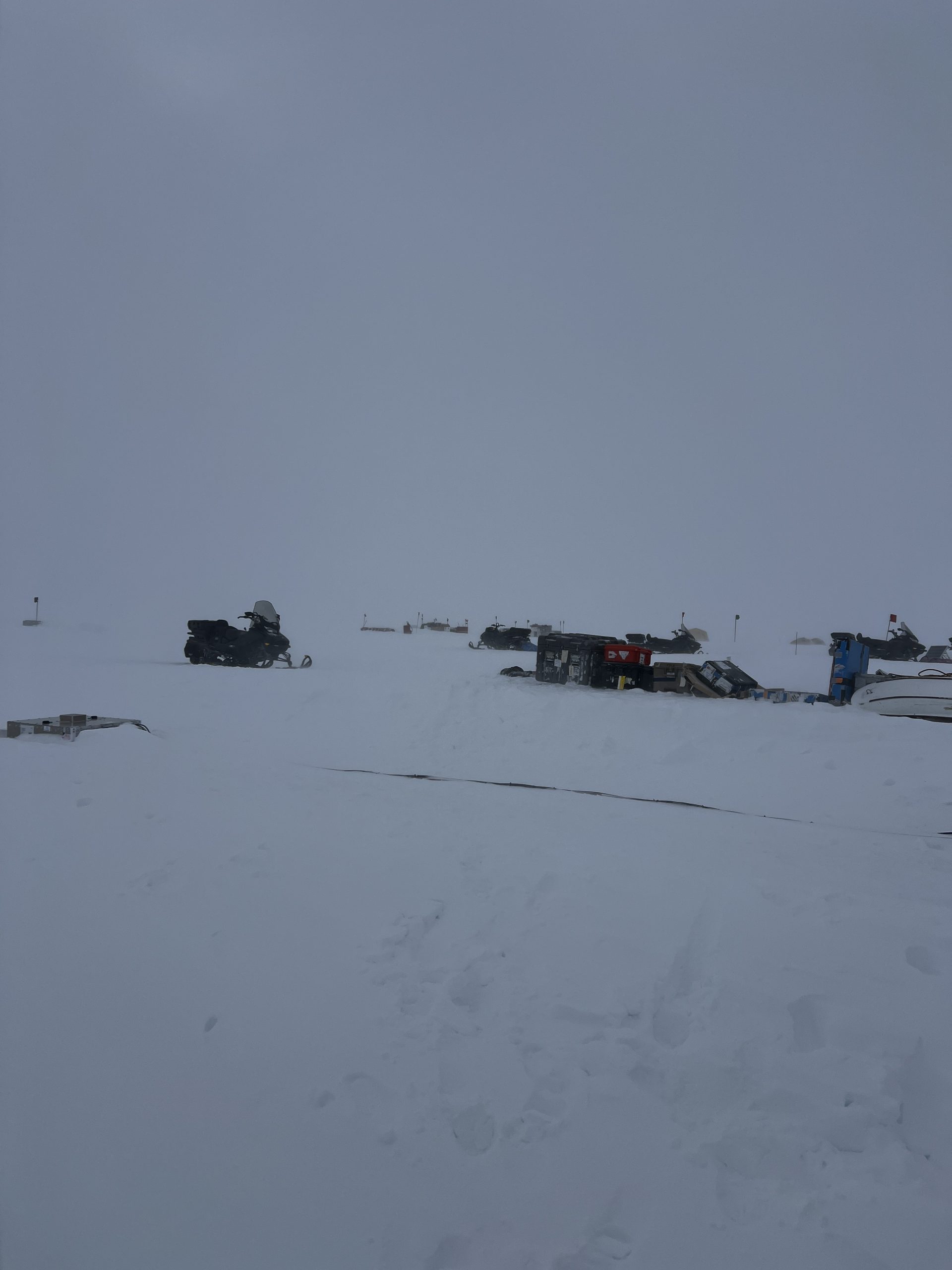
Today’s morning was coooooold – probably -5º to -10º F but the precipitation ceiling had dropped, making the air more moist. The moist air has a sort of bite to it that is typical of a Minnesota winter. It’s quite unpleasant compared to our normal dry, desert-like weather here in Antarctica.
Blowing snow and clouds made it almost impossible to see anything so no one left camp today. Instead, we completed camp chores (like making water, cleaning and reorganizing the kitchen tent, and grocery shopping a.k.a. bringing food inside to defrost) and rested.
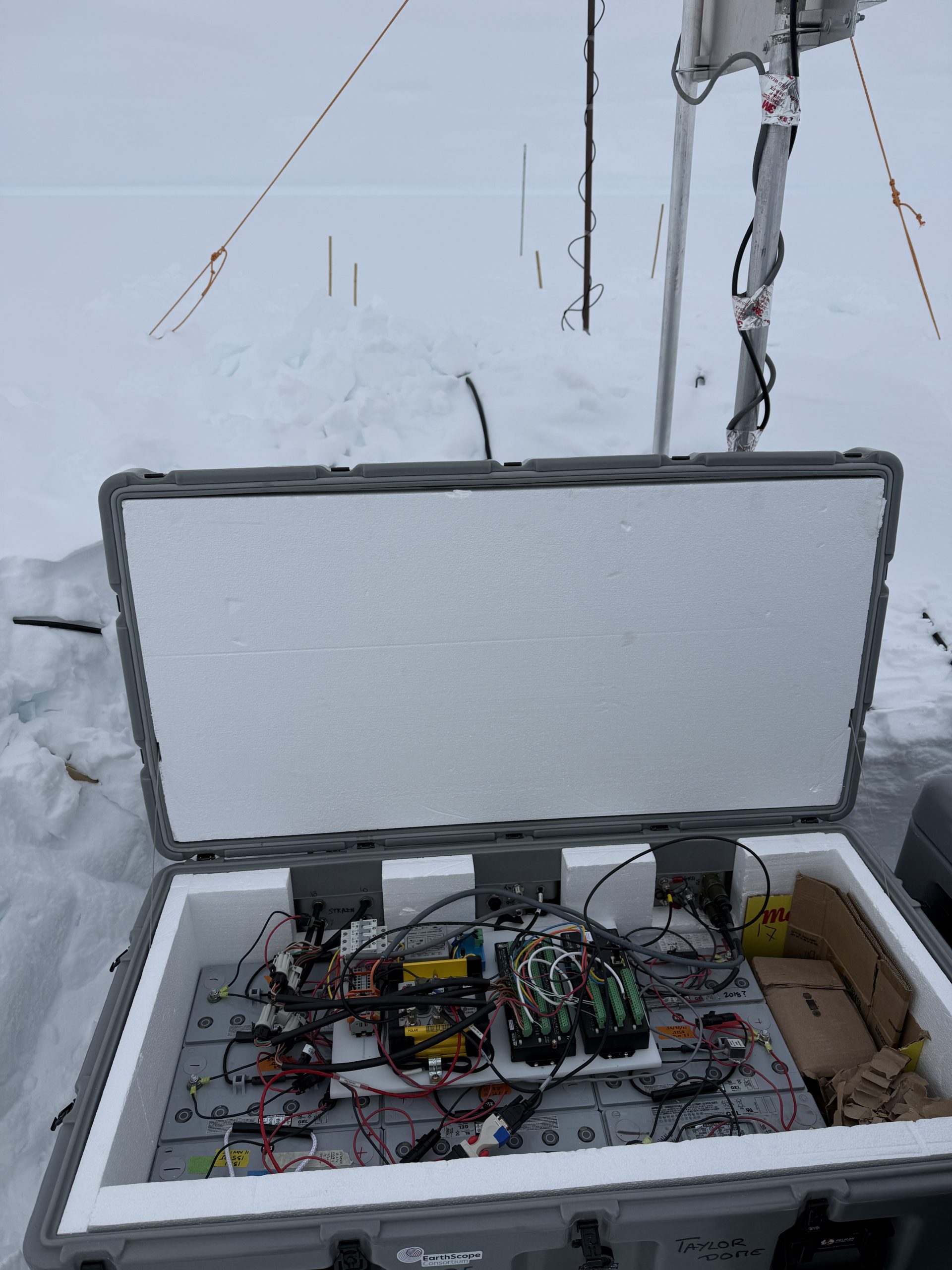
Ellen worked hard on reprogramming motherboards for the battery boxes since we’ve been having issues. She confirmed that, when you connect the motherboard to the Iridium satellite communications system, the folks at EarthScope receive data! This is important for our ability to collect data from the instruments we are leaving out at each site. We can access these data remotely instead of coming back to Taylor Dome to physically collect SD cards and things like that.
Ilyse worked hard on programming data loggers, even falling asleep in their chair while doing so. Others took intentional naps, called friends and family, and hung out in the kitchen tent.
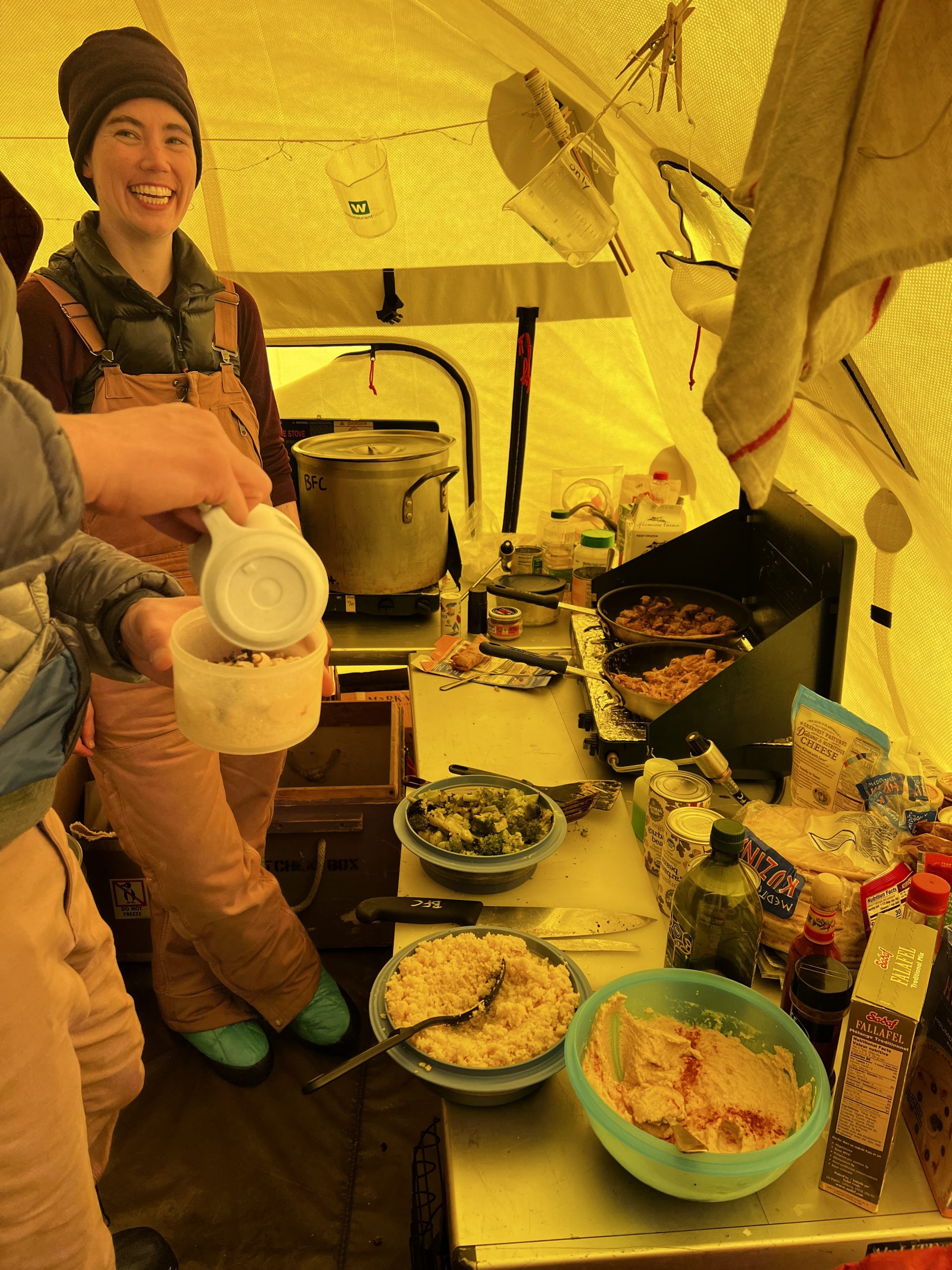
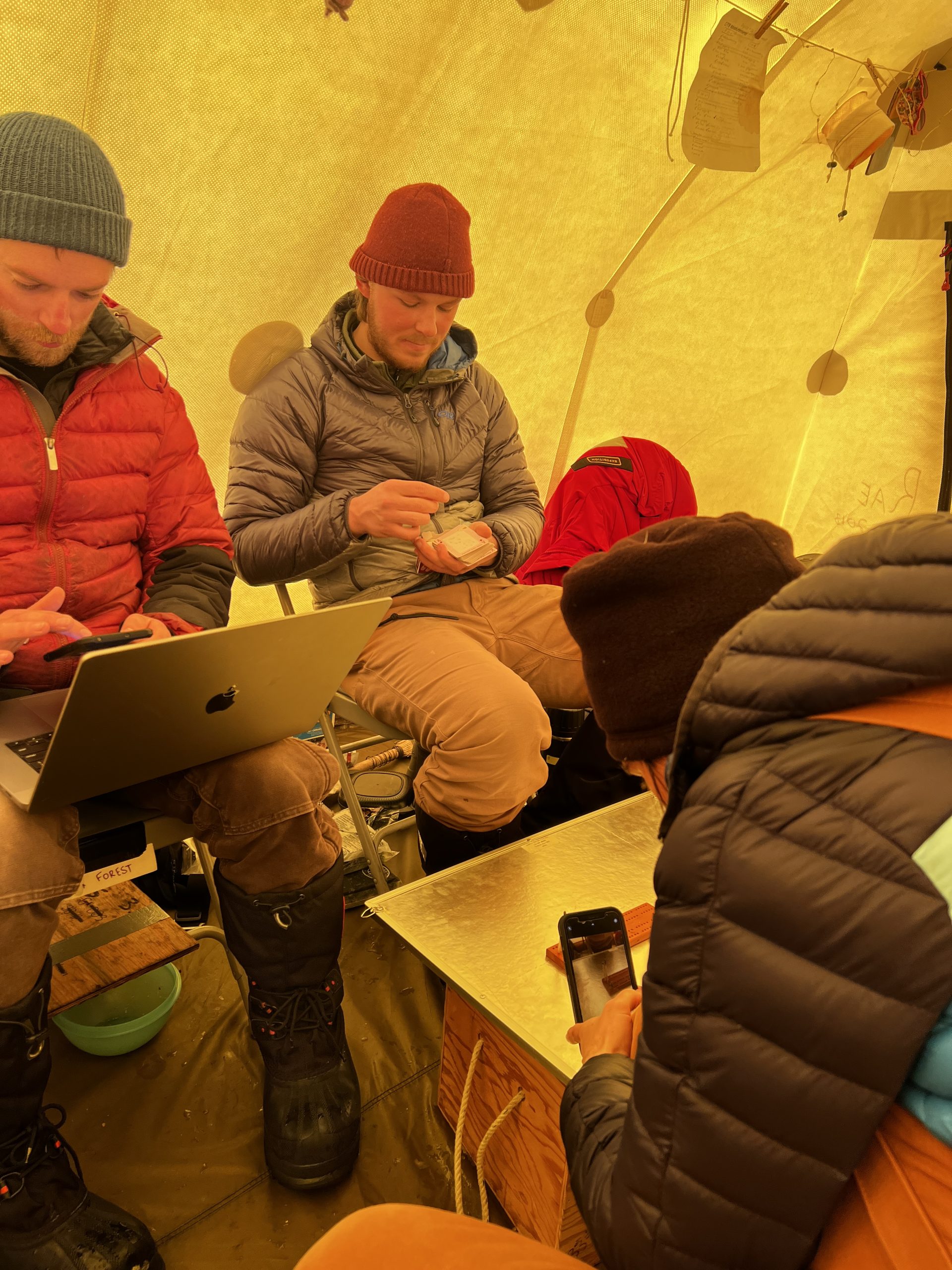
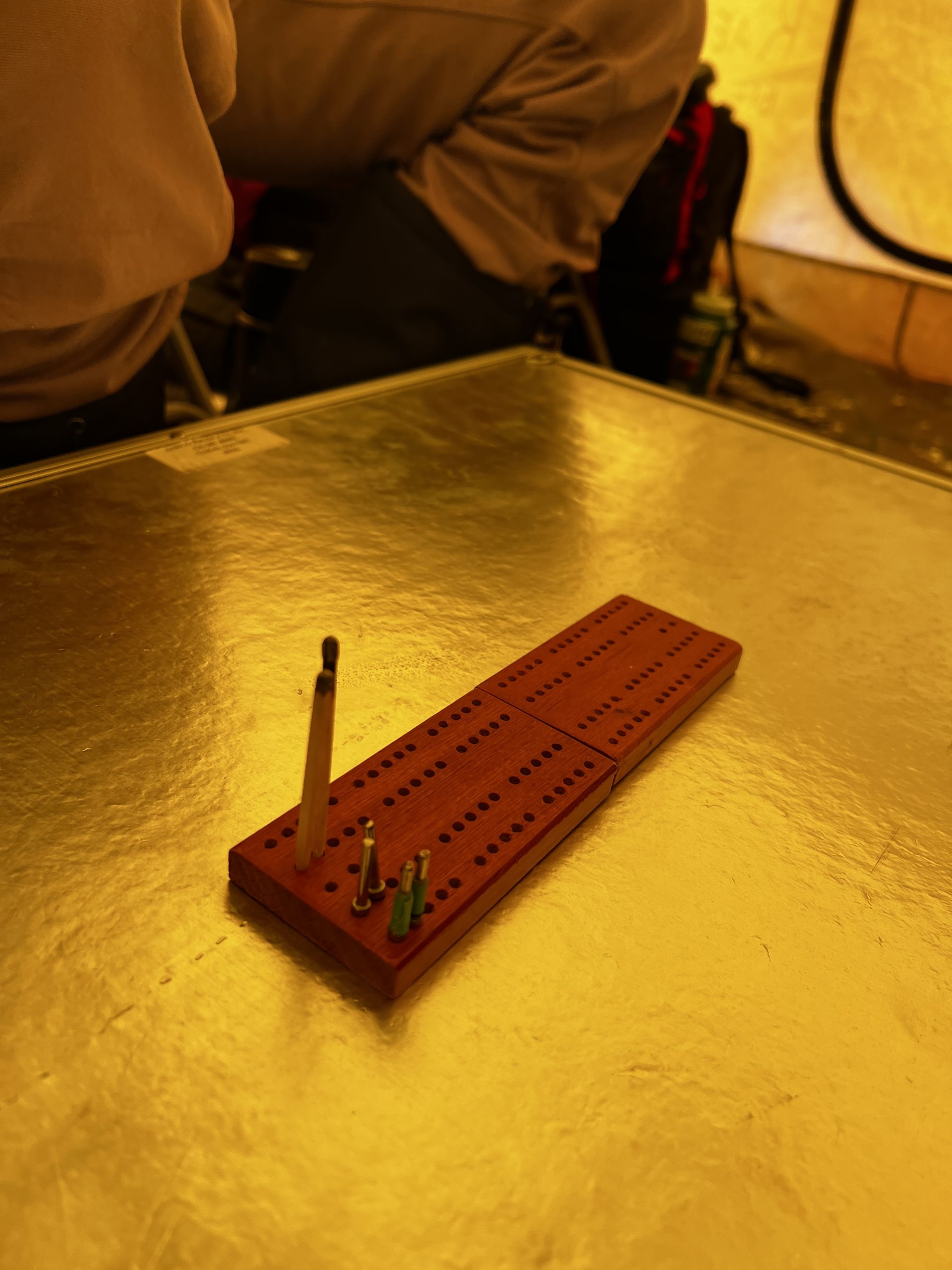
For dinner, Ellen and I went big – we made falafel, hummus, couscous, broccoli, and chicken. Not to brag, but it was a huge hit. Falafel meal was an intimidating meal so we took advantage of some extra time today to try out the new recipe. We had cheesecake for dessert and played cribbage and 500.
Jan 14: Elizabeth!
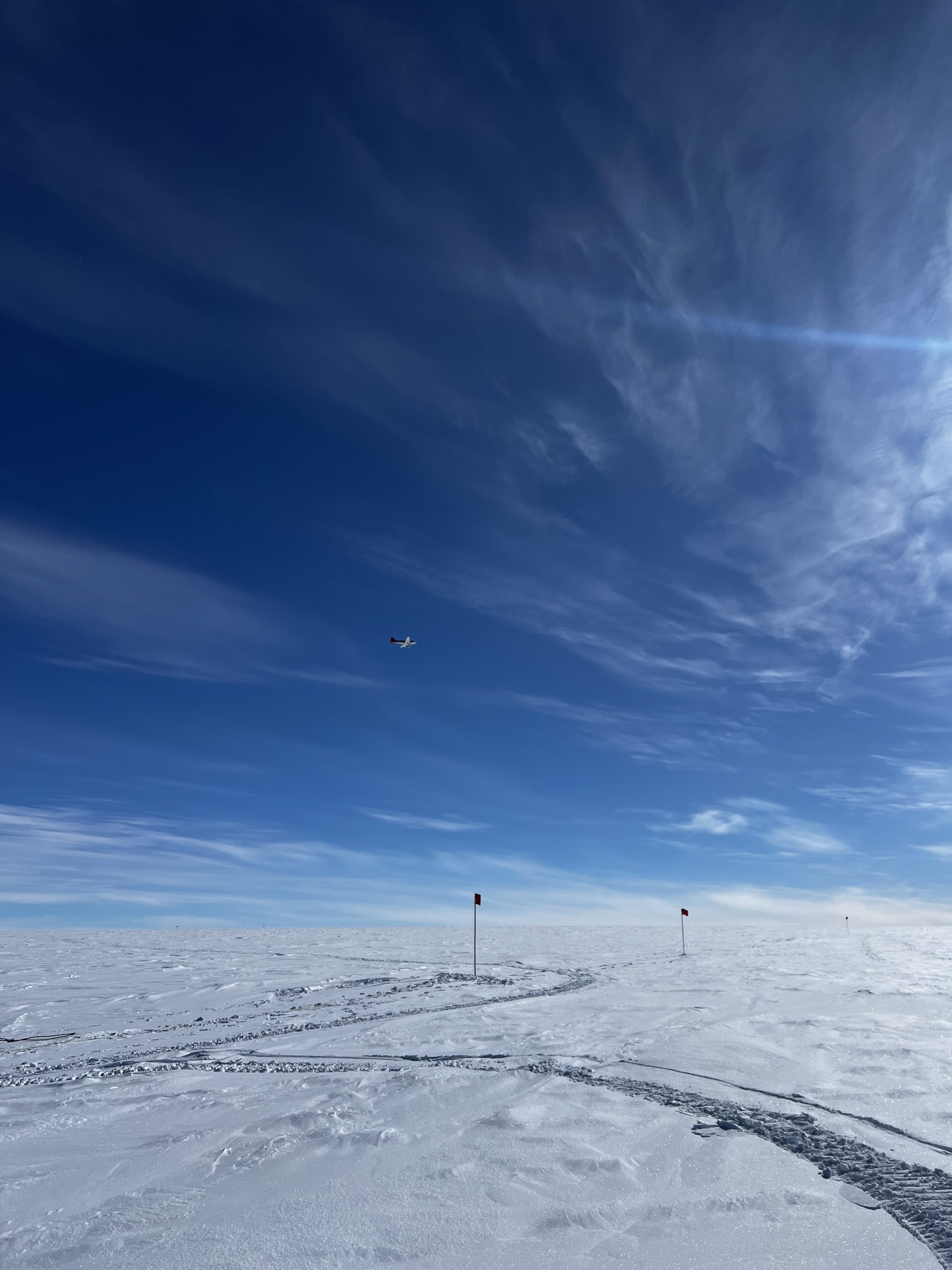
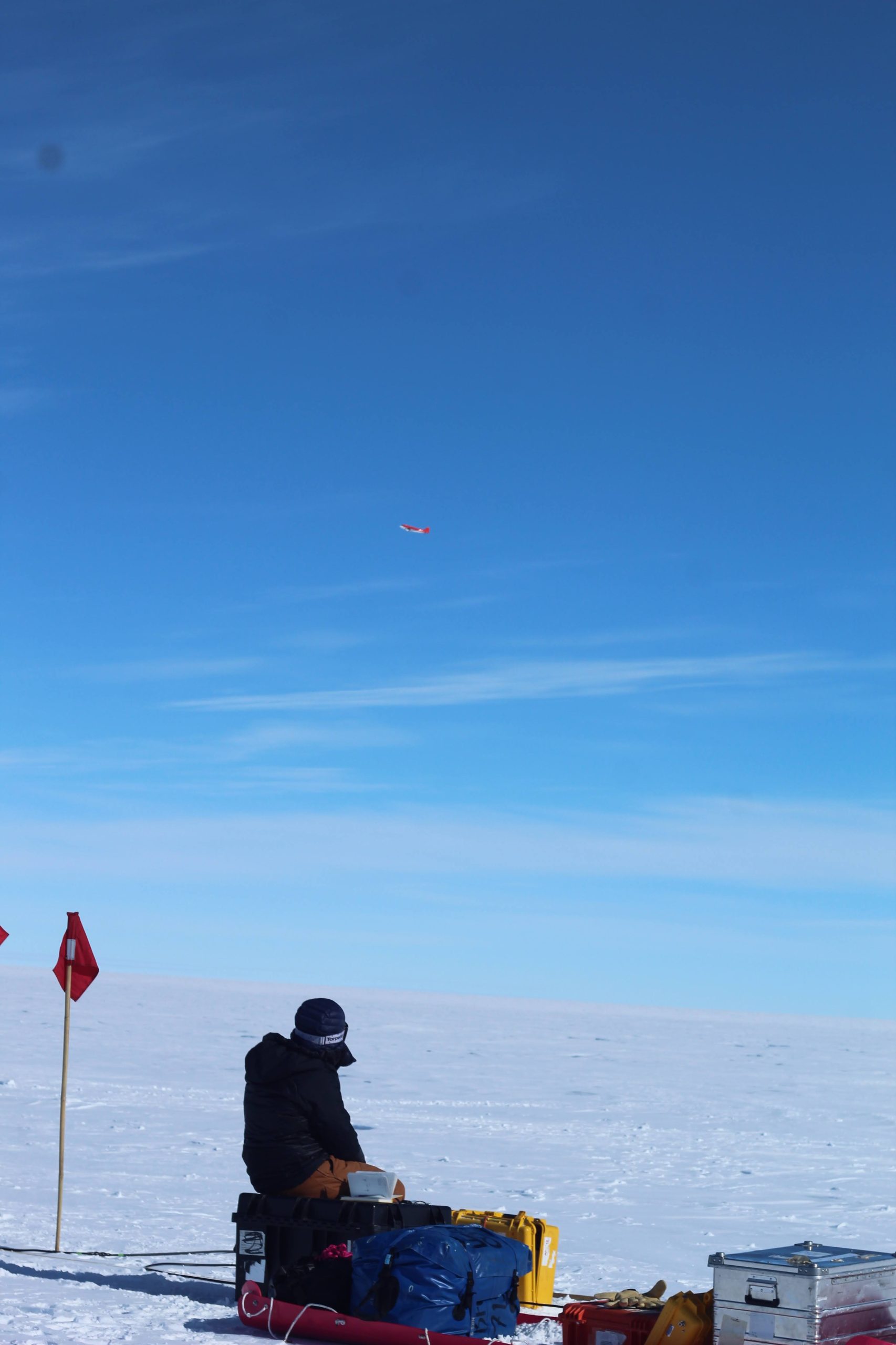
Today, we woke up to beautiful weather – sunny, a bit chilly, and minimal wind. The weather in McMurdo was finally also pretty okay so flights were taking off! We received a Basler flight this morning, complete with cargo, a fixed groomer, and Elizabeth! Elizabeth, or E, is a driller with the Ice Drilling Program (IDP) – the same company that Forest and Elliot work for. E had been at the Allan Hills with COLDEX scientists drilling millions-of-years-old ice. She had some extra time before redeployment (leaving the continent) so she volunteered to come to Taylor Dome and help out.
Before the flight, everyone headed out. Ellen and I spent the morning on the Common Midpoint Survey (CMP) version 2. Ellen troubleshooted and found the issue that had kept our data from being recorded on the SD card. We didn’t immediately have a third person to help with the survey so Ellen and I started close together and progressively moved our antennae away from each other 2 m at a time until this became too effortful. We got ~1/3 of the survey done by walking back and forth from the antennae to the middle where the computer was. I stayed sane by listening to the new season of Serial, my favorite podcast, which Ellen reminded me of and recommended.
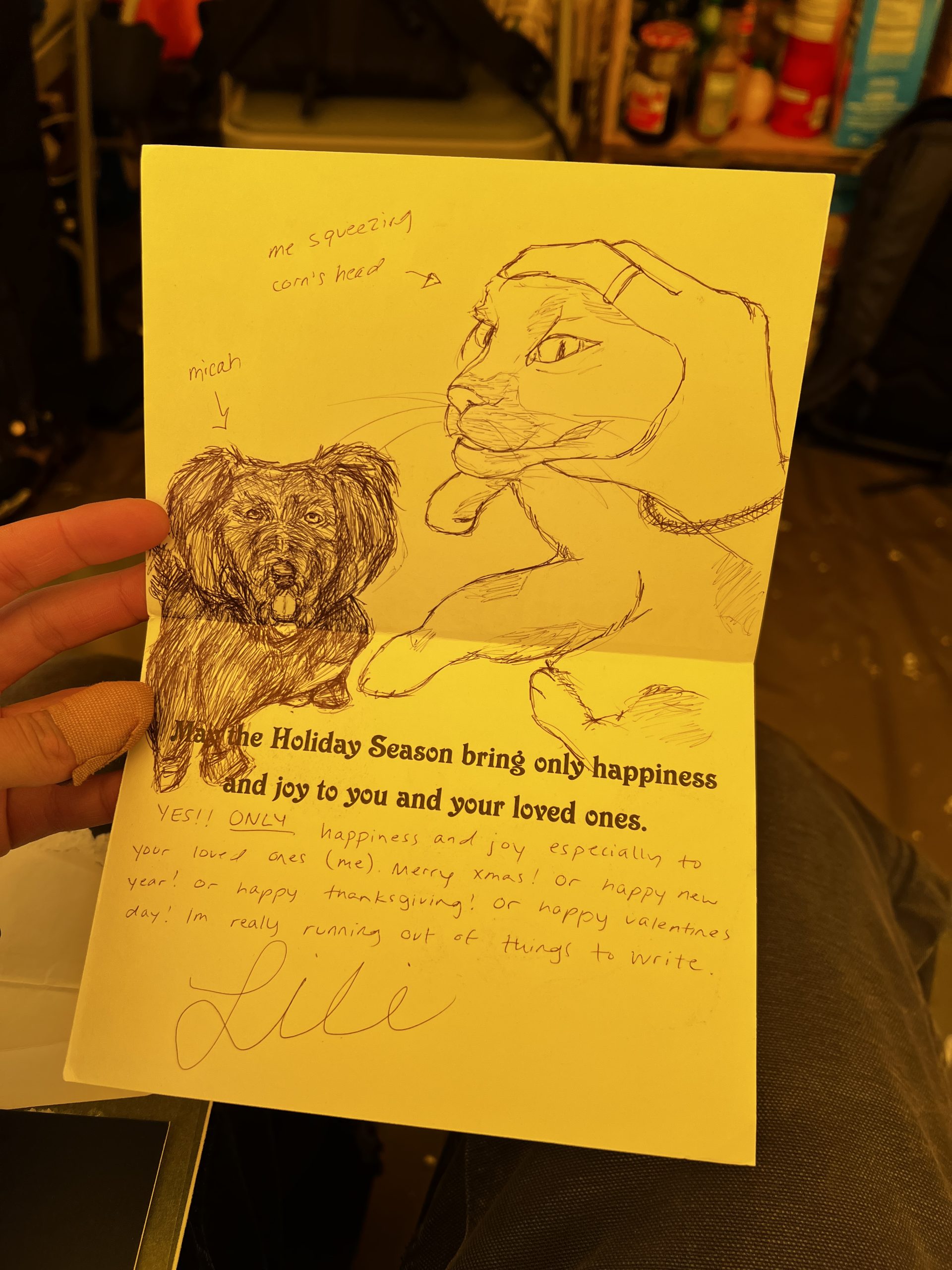
After CMPing for a while, Ellen and I headed back to camp to see if E was available and willing to work. We also found out that we got mail! Ellen got a card from her mom and I got two from my sister. E was very enthusiastic and headed out to the 4 cm ApRES site with us to reorient the overwinter ApRES and take a new campaign measurement with our fixed flow orientation. Not only did we get E on the filght, we also got some much-needed cables to replace the ones we had already installed (which were wrong).
Meanwhile, Dylen and Ilyse worked on taking temperature measurements with the DTS cable – 5 hours of equilibration and 1.5 hours of data acquisition. They connected data loggers and strain gauges to the battery box at the 4 cm site, too. They then headed to the 2 cm site for the first time and hand augered then installed a strain gauge in a 6.5 m borehole.
The drillers finished the 55 m microstructure core at the 2 cm site then started on the 35 m borehole (which contains ice that they don’t need to save). Forest hand augered the 6.5 m hole that Dylen and Ilyse later put their strain gauge in.
When everyone got back to camp, we got a wonderful surprise – pizza! E brought pizzas from McMurdo for everyone to eat for a special treat for dinner. It was mildly heavenly to experience some different food and eat something out of the typical rotation. Plus, pizza is always delicious.
Ellen checked our CMP data from today – success! They look great and I have downloaded an egregious amount of podcast content to continue with the CMPs and preserve my sanity.