Clearly, Antarctica got the best of me. I successfully blogged every single day for ten weeks, despite dealing with limited and slow wifi, computers that simply don’t work when they’re freezing, and a brain that doesn’t work when it’s cold, fatigued, and hungry. After getting back to McMurdo, there was a whole lot of “hurry up and wait” where I’d be relaxing one minute then drop everything to do an extremely urgent task. Dylen and I earned the title “Galley Gremlins” since we spent so much time table hopping and hanging out in the galley. Fresh fruits and veggies are exciting, of course, but I will miss the unlimited galley cookies for sure.
I haven’t completely given up on my Antarctic blog; I have some unfinished business in terms of words to say. Maybe these words are mostly necessary for me as I process this experience. My friend Maya emailed me when I was at Taylor Dome and it’s been a wonderful way to reconnect and process what we’re both going through. Maya asked me to describe my experience in five words:
“Five words: binary (it’s either hot or cold, amazing or kinda hellish), lawless (McMurdo, the town, was such an experience lol […]), peaceful (focusing only on the thing in front of me has been therapeutic. plus, on a day where it’s not windy, it’s completely flat and completely and amazingly silent), effortful (things take so. long. here. and 20 steps gets me out of breath), unreal (I still can’t believe I’m here. so much effort to get here and do science and I feel like the luckiest person in the world… who doesn’t particularly love not showering and eating questionable and expired food for 4 weeks but I have no choice- I’m here!).”
My fall quarter consisted of a hectic mix of attempting to stay afloat in coursework, borrowing and shopping for heavily discounted cold weather gear, prepping science instruments to go to the field, learning about the Taylor Dome science which was entirely unfamiliar to me, and grappling with the death of a friend and the end of a relationship. By the time November came around and it was time to leave, I was incredibly ready to get away from it all. I couldn’t see a world in which I stayed in Seattle and stayed sane over the winter. I left school early, taking incomplete grades in my courses and ditching my original research before hopping on an egregious number of airplanes to go to Antarctica, where I’d meet the people I’d be spending every waking hour with for ~3 months.
It’s safe to say that the transition was quite intense. I felt that I went from moving 100 miles per hour to walking through molasses in McMurdo. Work in Antarctica is a different type of tiring- if you want to get something done, you either need to know the convoluted system already or run in circles to figure it out. Everything moves quite slowly and communication between work centers is less than ideal. I found myself working long hours in McMurdo yet feeling like I didn’t actually get much done since things took so long to check off of the to-do list. However, I was happy to be occupied all day and not have time to dwell on the mess I left behind in my Off-Continent Life.
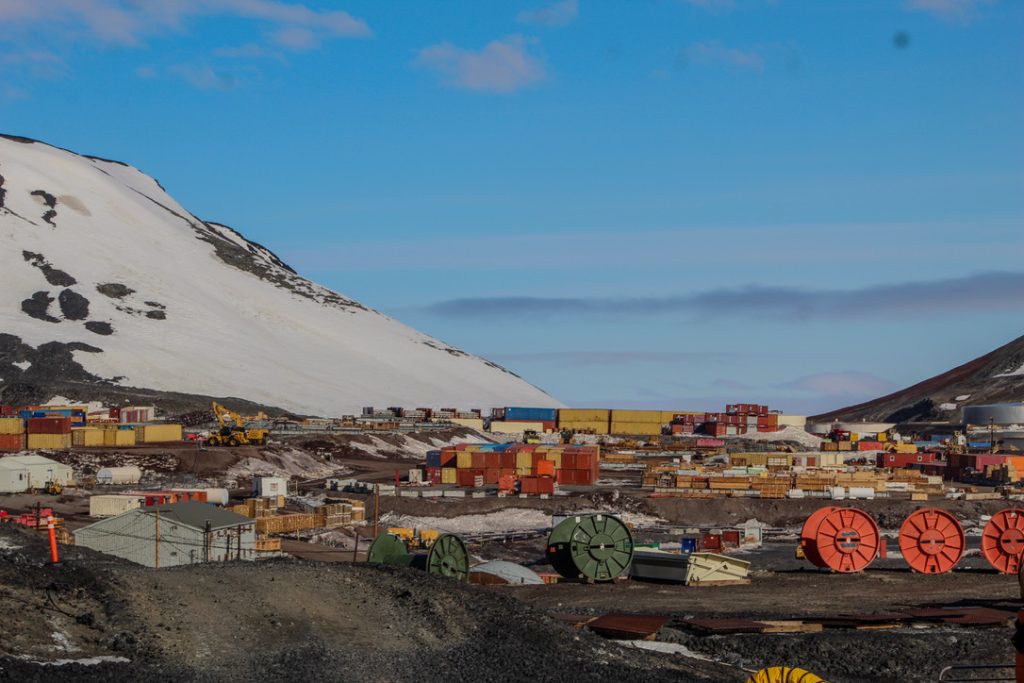
Another thing about McMurdo is that all residents have a 2.5 GB weekly limit on wifi (you could easily use that up by scrolling Instagram for 20 minutes). Some people (scientists included) had access to slow but unlimited wifi for work. However, streaming services like Netflix and Hulu were blocked on this network and it often took multiple minutes just to load a webpage. It was both a blessing and a curse that I had difficulty staying connected with the real world. I couldn’t easily check the news, even if I wanted to. I called my parents and a few friends while in McMurdo, being careful to call in the mornings so it was certain that they’d be awake. However, they couldn’t return my calls since I was using whatever McMurdo landline I could get my hands on at the time.
I set up meetings and made plans via word-of-mouth, hoping that the person I arranged to meet for dinner would remember and show up on time. Some people had pagers, which were particularly useful for sending messages like “80085”. Overall, I found it refreshing that people didn’t have instant access to me 24/7. Working in Antarctica is a great excuse for not responding to messages on time (or at all!). Many people assumed I wouldn’t have wifi on the ice, anyway. This made it easy to get absorbed into the McMurdo community and stay present.

Before this trip, I didn’t advertise myself as an “outdoorsy” person. Now, I really don’t know what to think about that. I’m not a big fan of camping- if I have a free weekend, I’m not exactly itching to go camping but I’ll do it occasionally. Also, despite growing up in Minnesota, I had almost no cold weather gear. Somehow, the Minnesotan way is just suffering through the cold wearing jeans and hoping you don’t slip on the ice in your sneakers. I went winter (summer) camping for the first time in Antarctica, using mostly borrowed gear and relying on borrowed systems I got from hours of talking to people with previous Antarctic field experience. I honestly felt very prepared to camp on the Antarctic Ice Sheet by the time we got to Taylor Dome.
That being said, I definitely had concerns about living at Taylor Dome- namely, my hair, eyes, and health. Nobody I talked to had experience with hair like mine in the deep field. I had never worn protective hairstyles before and I was worried that I’d have to shave my head after I returned from Antarctica. I was also going in blind (literally) in terms of advice for my eyesight. To this day, I’ve never met someone who has a worse glasses prescription than me, unless they’re legally blind. It’s tough to deal with glasses in cold weather since they fog up and fall off during strenuous activities. Plus, contact lenses freeze and it’s difficult to keep them sanitary in a place with no running water. Lastly, I was worried about general health issues. I have a lot of piercings, which don’t tend to do well when they’re rubbing up against the same dirty clothing for a month. I am quite the hypochondriac and I was intimidated to be in the field for a month with no medical support and little hope if anything goes wrong enough to need to be medically evacuated.
There’s something incredibly humbling about being in the deep field, surrounded by the flat, white expanse, and thinking “I am completely alone here.” At McMurdo, we say that “Antarctica is trying to kill you.” I was aware of the lack of medical care in the deep field but, until I was at Taylor Dome, I didn’t realize that even the smallest accidents in the field could compound into life-threatening events. Every task is dangerous, especially considering that the closest medical facilities for serious injuries were all the way back in New Zealand, a 6-9 hour flight on a good weather day. I experienced some of the greatest peace in my life while at Taylor Dome: on calm days, if I turned off my Ski-Doo and stood still, the world was completely silent. If I looked up, I’d see tiny rainbows floating in the sky above me as the sun reflected off the suspended snow. In these moments, there was nowhere else I would have rather been. Since coming back to the United States, I’ve been searching for a place where I feel a similar amount of peace but I’m far from finding it.
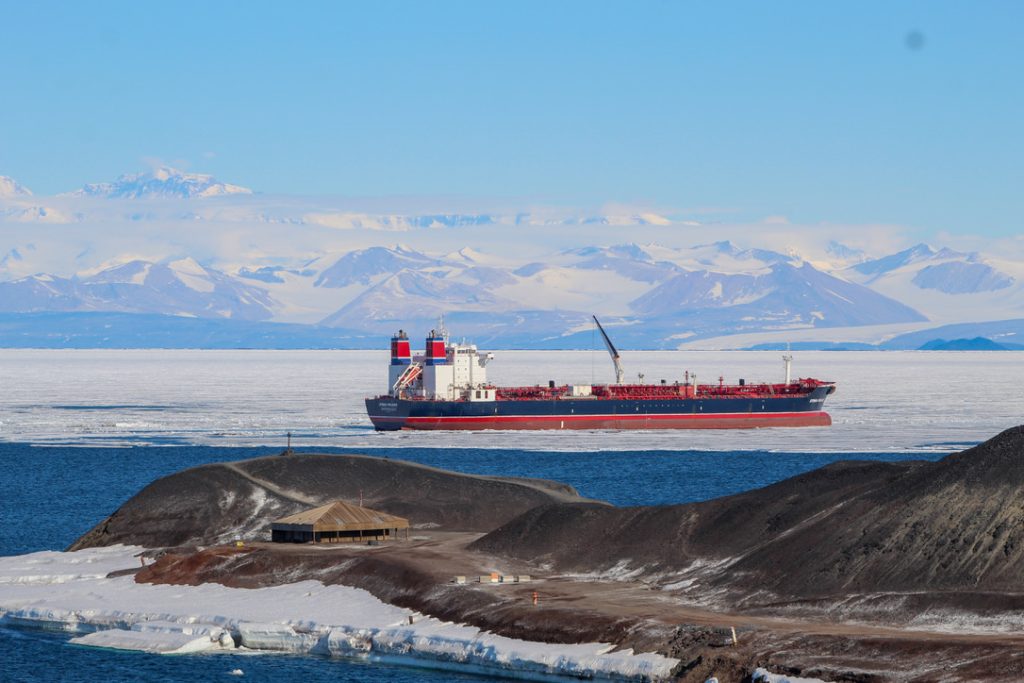
Despite my worries, I survived… I even liked it. Yes, my ailments got in the way during daily life but I figured things out eventually. That’s the thing about Antarctica – there’s no guide that will tell you exactly what to do. Sure, there are field guides, trainings, and people with previous experience but these resources are (1) few and far between and (2) often portray the most ideal conditions that simply don’t always apply. I experienced a much larger gap in knowledge about going to Antarctica than any other place I’ve been or thing I’ve done; before leaving Seattle, I was so wrapped up in my misery that I didn’t even have time to think about what I hadn’t had time to prepare for. Maybe that was for the best.
I sent another email to Maya after leaving the deep field:
“It’s so bizarre reflecting on an experience like this. I can certainly tell that this was a life-changing experience and I think this is one of the first times in my life that I have noticed that. It’s absolutely crazy to think that I lived in a tent in Antarctica for 4 weeks without a shower and survived and even smiled quite a bit. It’s also crazy to think that I want to do it again (maybe not 4 whole weeks though). The people in McMurdo were absolutely the best part – lots of “outdoor dirtbags” and “tradies” – whom I wouldn’t necessarily otherwise be around. I still don’t think I subscribe to the outdoorsy agenda but, considering all the things I have willingly taken part in and enjoyed, maybe I am an outdoorsy person. […] I made friends with a lot of people: cooks, stewies, field workers, and janitors mostly. I had so much freedom and essentially just fucked around down there. There are many rules on station but, in a sense, it’s a lawless place. I really don’t know how to describe it nor do I know how to process an experience that I know has altered my life. Considering the events that happened this past fall and how I was thrown into Antarctica not a week after shit went down, I think I could’ve seen this coming.”
I’m largely unsure what to do with the fact that this experience altered my life in multiple ways. How does one process something like this? How will I have time and space to process it while I’m back to work, catching up on all that I’ve missed over the past three months? This blog post feels inadequate, hence why it’s been sitting in my drafts for a month. The only thing I can think of is to go back; if there’s one place where I have time to think, it’s Antarctica.
Disclaimer
The opinions expressed are solely my own and do not express the views or opinions of the National Science Foundation, the United States Antarctic Program, or the University of Washington. This blog is for entertainment purposes only.